Zanzibar Beyond the Resort: Stone Town, Spice Farms, and the Stories Between
The narrow streets of Stone Town smelled of cardamom and clove, of salt air and old wood. Every doorway was a threshold into a history I'd been circling my whole life.

The narrow streets of Stone Town smelled of cardamom and clove, of salt air and old wood. I walked slowly, deliberately, letting the labyrinth of alleyways pull me deeper. The buildings pressed close on either side — coral stone walls, heavy carved wooden doors studded with brass, balconies draped in bougainvillea. Somewhere behind a wall, someone was cooking. The scent of pilau rice and coconut reached me before I could see the source. It was 2024, and I was in Zanzibar for the first time, on a trip to Tanzania that had already reshaped my understanding of what travel could be.
As a Black American woman standing in Stone Town, I was acutely aware of the layers beneath my feet. This was a place where African, Arab, Indian, and European histories had collided for centuries — a trading post, a sultanate, a colonial outpost, and, most painfully, one of the last major slave markets in East Africa. The beauty of Zanzibar is inseparable from this history. To visit without acknowledging it is to see only the surface.
Where Histories Collide
Zanzibar refuses simple narratives. It is African and Arab and Indian and Portuguese and British, all at once, none of these identities dominant, all of them present. The architecture tells the story: Omani merchant houses with their ornate balconies, Hindu temples tucked into narrow streets, the Anglican Cathedral built directly on the site of the former slave market, its altar placed where the whipping post once stood.
I visited the slave market memorial and stood in the underground chambers where enslaved people were held before being sold. The ceilings are low. The space is dark. The guide spoke quietly, factually, and the weight of what happened in that space was almost physical. As someone whose ancestors were part of the African diaspora — my biological lineage traces back to the 1818 Josefa Segunda voyage — standing in a place where the slave trade was conducted felt like touching a wound that is both deeply personal and impossibly vast.
Stone Town: Living Architecture
Stone Town is a UNESCO World Heritage site, and it earns that designation not through preservation but through persistence. This is not a museum town. People live here — hanging laundry from ancient balconies, running shops from ground floors of 200-year-old buildings, children playing in squares where sultans once held court.
The doors are Stone Town's most famous feature — massive, intricately carved wooden doors, each one unique, each one telling a story through its carvings. Indian-style doors have rounded tops and brass studs. Arab-style doors have flat tops and geometric patterns. I spent an entire morning simply photographing doors, which sounds obsessive until you see them.
The Forodhani Gardens night market, along the waterfront, was a nightly ritual. As the sun set over the Indian Ocean, vendors set up grills and stalls selling Zanzibar pizza (a stuffed crepe, not a pizza), grilled octopus, sugarcane juice, and urojo — a tangy, complex soup that's essentially Zanzibar in a bowl. I ate there every night, standing at the seawall, watching dhows silhouette against the darkening sky.
The Spice Farms: Where the Island Gets Its Name
Zanzibar was once known as the Spice Islands, and a visit to a spice farm is essential context. Our guide walked us through a working farm, pulling leaves and bark from trees for us to smell and identify: cloves, cinnamon, black pepper, vanilla, lemongrass, turmeric. The air was intoxicating — layers of scent building on each other until the entire experience felt hallucinatory.
What struck me most was the labor. Growing spices is painstaking, physical work, and the farmers who do it earn a fraction of what the finished products sell for in Western markets. This is the economic reality beneath the romantic "spice island" branding, and it's worth sitting with.
The Beaches and the Ocean
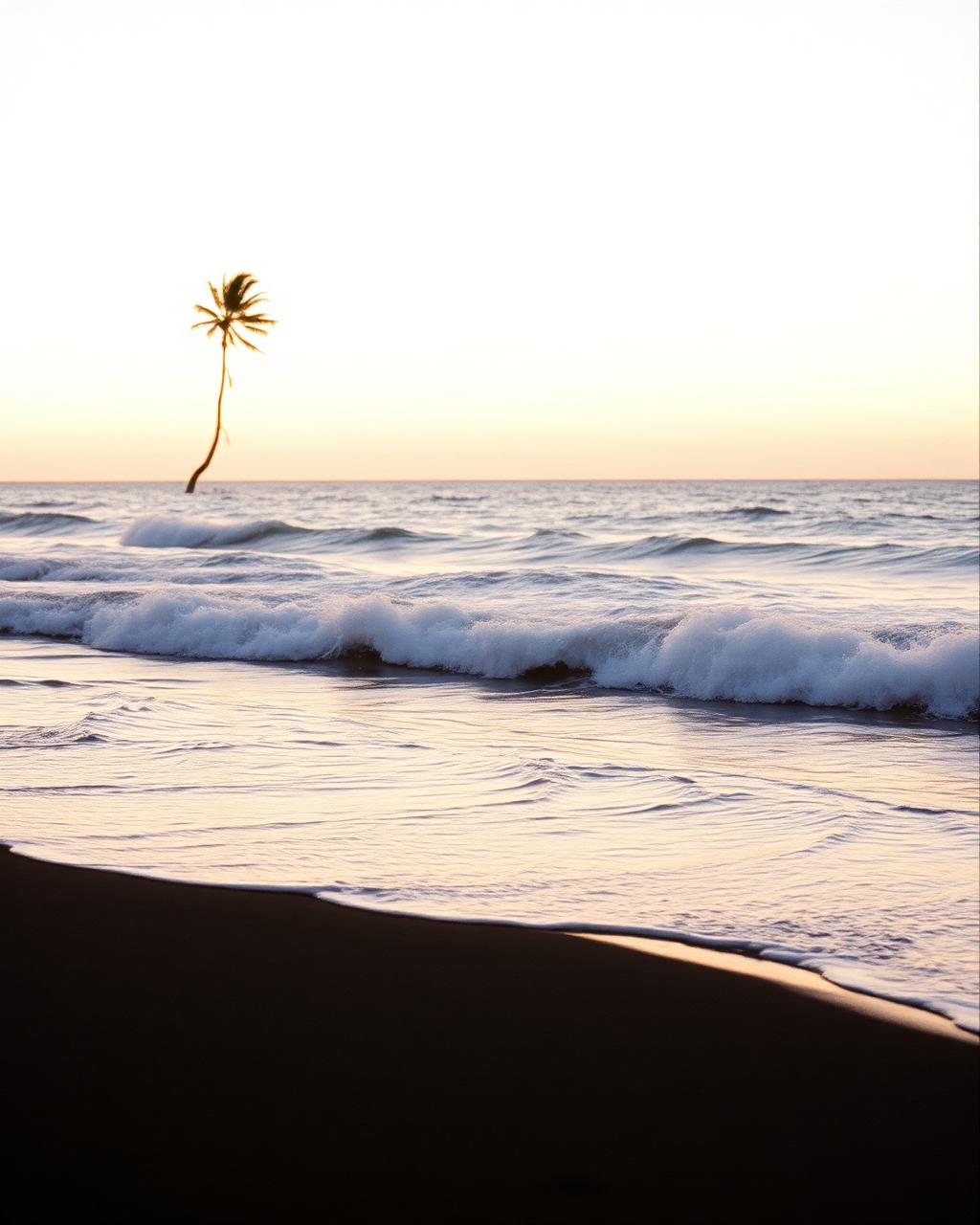
Zanzibar's beaches are extraordinary — white sand so fine it squeaks, water in shades of blue that don't exist in the crayon box. The north coast (Nungwi, Kendwa) is the most developed, with beach bars and resort hotels. The east coast (Paje, Jambiani) is quieter, with dramatic tidal shifts that expose vast stretches of sand and seagrass at low tide.
I preferred the east coast. The tidal rhythm forces you into the island's pace — you swim when the tide is in, you walk when it's out, and you adjust your plans accordingly. Seaweed farming, primarily done by women, is visible at low tide — rows of wooden stakes strung with lines of seaweed, tended with the same patient care as any crop.
Connecting to the Mainland
Our Tanzania trip included time on the mainland — the Serengeti, the Ngorongoro Crater — before we crossed to Zanzibar. The contrast is stark: mainland Tanzania is vast, open, defined by wildlife and savanna; Zanzibar is intimate, layered, defined by culture and ocean. Together, they create one of the most complete travel experiences in Africa.
Practical Wisdom
When to go: June through October is the dry season and the best time to visit. January and February are also dry and warm. Avoid the long rains (March-May) and the short rains (November).
What to wear: Zanzibar is predominantly Muslim. In Stone Town and villages, dress modestly — cover shoulders and knees. On resort beaches, swimwear is fine. Carry a light scarf for mosque visits.
Combining with safari: The classic combination is safari on the mainland (Serengeti, Ngorongoro) followed by beach time in Zanzibar. Allow at least three nights on each side. Flights between Arusha/Kilimanjaro and Zanzibar are short and frequent.
Health: Malaria prophylaxis is recommended. Consult a travel health clinic well before your trip. Drink bottled water. The street food in Stone Town is generally safe if it's freshly cooked.
What Africa Means to Me
I did not grow up knowing my biological heritage. As an adoptee, my relationship with ancestry is complicated — something I explore deeply in my heritage travel work and in my memoir. Visiting East Africa as a Black American woman is not the same as "going home." It is more nuanced than that. It is standing in a place where history happened to people who may or may not be my people, and feeling the resonance anyway.
Zanzibar gave me something I didn't expect: permission to feel connected without needing proof. The spice-heavy food, the rhythm of the call to prayer, the warmth of the people, the weight of the history — all of it felt familiar in a way that bypassed documentation and went straight to something cellular. I don't claim Zanzibar. But I carry it.