The Caribbean Nobody Tells You About: Grenada, Trinidad, and Barbados Beyond the Brochure
The nutmeg hit me first — earthy, warm, almost sweet — drifting through the open-air market in St. George's. This was Grenada, and it smelled nothing like a resort.
The nutmeg hit me first. Earthy, warm, almost sweet, it drifted through the open-air market in St. George's like a greeting. I was standing in Grenada's capital, surrounded by baskets of spices — cinnamon bark, turmeric root, cloves — and the woman behind the stall was watching me with patient amusement as I picked up one thing after another, inhaling deeply, trying to catalog each scent. "You like nutmeg?" she asked, already wrapping a bag. "Everyone likes nutmeg."
This was not the Caribbean of the brochure. No infinity pool, no swim-up bar, no steel drum rendition of "Island in the Sun." This was the Caribbean that lives and works and argues and cooks and prays and raises children and grows nutmeg. And it was magnificent.
The Flattening of Paradise
The Caribbean suffers from a branding problem. The tourism industry has spent decades reducing an extraordinarily diverse region — dozens of sovereign nations and territories, each with distinct cultures, cuisines, histories, and identities — into a single product: "beach vacation." The brochures show the same image regardless of island: white sand, turquoise water, a cocktail with an umbrella. The implication is that one Caribbean island is interchangeable with another. Sun, sand, relaxation. Repeat.
As a Black woman with Caribbean-American roots, this flattening is personal. I grew up with the flavors and rhythms of Caribbean culture, understanding that Grenada is not Trinidad is not Barbados is not Jamaica. Each island is its own country with its own story, and to treat them as interchangeable backdrops for the same vacation is to miss what makes each one irreplaceable.
Grenada: The Spice Island That Demands Your Attention
I visited Grenada in 2022, and it rewired my understanding of what a Caribbean trip could be. Grenada is small — you can drive around the entire island in a few hours — but it is dense with experience.
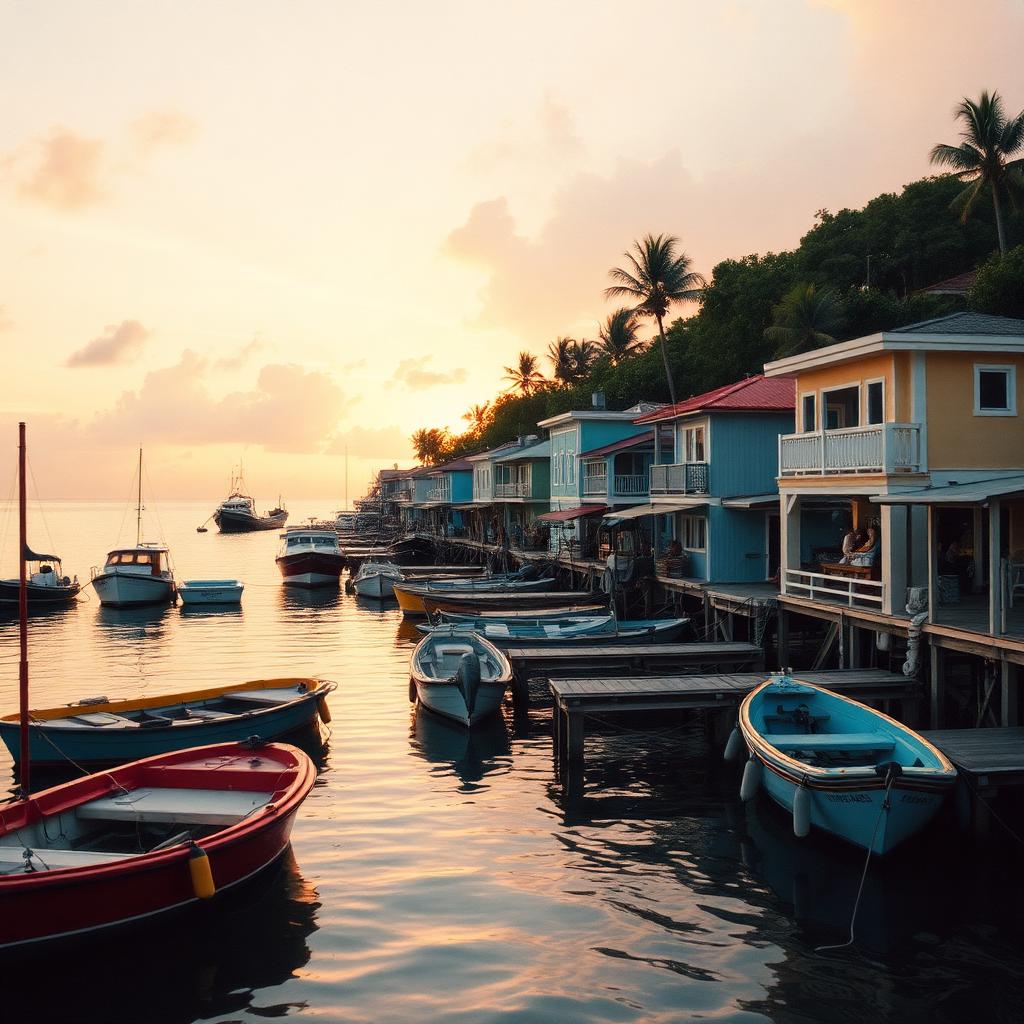
St. George's, the capital, is one of the most beautiful harbor towns in the Caribbean. Pastel-colored buildings cascade down hillsides to a horseshoe-shaped harbor. The market is the heartbeat: spice vendors, fruit sellers, women carrying baskets on their heads, the air thick with the scent of cocoa and cinnamon. I bought fresh chocolate — actual cacao processed on the island — and ate it standing in the sun, feeling the bitterness and sweetness balance on my tongue.
Grand Anse Beach is stunning — a two-mile curve of soft sand and calm water — but Grenada's real treasures are inland. I visited a nutmeg processing station where the entire operation is done by hand, the same way it's been done for generations. The workers, mostly women, sort and grade each nut with practiced precision. Grenada produces a third of the world's nutmeg, and when you stand in that processing house, breathing air so thick with spice it makes your eyes water, you understand that this island's identity is rooted in the earth, not the beach.
Trinidad: Where Culture Erupts
Trinidad in 2015 was an entirely different register. If Grenada whispers, Trinidad shouts — joyfully, musically, with abandon. This is the birthplace of Carnival, of calypso, of soca, of steelpan. The energy is relentless and infectious.
I didn't visit during Carnival (a regret I intend to correct), but even outside of the festival season, Trinidad pulses with cultural energy. Port of Spain is chaotic and vibrant — not a resort town, not particularly pretty in the conventional sense, but alive in a way that few Caribbean capitals manage.
The food alone justifies the trip. Doubles — soft bara bread filled with curried chickpeas, topped with pepper sauce and chutney — is the national street food, and I ate it every single morning. The Indian, African, Chinese, and European influences in Trinidadian cuisine create a culinary landscape that is arguably the most diverse in the Caribbean. Roti shops on every corner. Bake and shark at Maracas Bay. Pelau simmering in massive pots at roadside stands.
Barbados: The Polished Sibling
Barbados in 2021 struck a different tone — more polished, more British in its bones, but with a warmth and pride that is entirely its own. This is the island that gave the world Rihanna, rum, and one of the most successful transitions from British colony to republic.
Bridgetown, a UNESCO World Heritage site, is worth exploring beyond the cruise port area. The Parliament Buildings, the Nidhe Israel Synagogue (one of the oldest in the Americas), and the Chamberlain Bridge all tell stories of a complex colonial history that Barbados is actively reckoning with.
But my favorite Barbados experience was Oistins Fish Fry on a Friday night. The entire town comes alive — grilled fish, loud music, dancing, families, couples, tourists and locals all mixed together in beautiful chaos. I ate flying fish (the national dish) prepared by a woman who'd been grilling at the same spot for thirty years, and I danced to soca music under string lights, and I felt, for a moment, exactly where I was supposed to be.
Which Island for Which Traveler
Grenada is for the traveler who wants depth — who cares about food sourcing, ecological awareness, and cultural authenticity. It's quiet, intimate, and profoundly beautiful.
Trinidad is for the culturally curious, the music lover, the food obsessive. It's not a beach vacation; it's a cultural immersion. Go during Carnival if you can. Go anyway if you can't.
Barbados is for the traveler who wants a balance of culture and comfort — excellent beaches, strong infrastructure, fascinating history, and a nightlife scene that ranges from elegant to exuberant.
What It Means to Visit as a Black Woman
Traveling the Caribbean as a Black woman is a particular experience. There is a comfort in being in spaces where most faces look like mine, where the cultural references are familiar, where the food tastes like home. But there is also a complexity — the awareness of the historical forces that shaped these islands, the ongoing economic challenges, the tension between tourism dollars and cultural preservation.
I don't take this lightly. When I advise clients on Caribbean travel, I emphasize respect: support local businesses, eat local food, engage with the culture beyond the resort walls. These islands are not playgrounds. They are countries, with all the dignity and complexity that word implies.
The Caribbean nobody tells you about is the Caribbean that exists between the beach and the airport. It's the spice market and the Carnival costume workshop and the Friday night fish fry. It's the grandmother selling nutmeg and the DJ spinning soca until sunrise. It's real, it's complicated, and it's worth every moment of your attention.