Bermuda Taught Me How to Be Still — And Why That Matters More Than Any Itinerary
I first flew to Bermuda in 2018 with my two-year-old son. It became his first cruise port, and later, the place where I understood that some destinations don't ask you to explore — they ask you to arrive.
Bermuda: The Island That Taught Me How to Be Still
Bermuda feels like a beginning.
Not just another place I traveled to, but a place where travel took on a different meaning for me. I first flew there in 2018 with my son, Kaiden, when he was two years old. We stayed at a beautiful hotel, and the trip was tied to Stasia being there to race a marathon. Later that same year, in August, Bermuda would also become my son's first cruise. Because of that, Bermuda lives in my memory as more than a single trip. It feels layered — connected to motherhood, to movement, to family, and to the quiet realization that travel had begun to change shape in my life.
When Kaiden was two, everything in the world was still new to him. He experienced things fully, without hesitation, without expectation, without the need to compare them to anything else. And being there with him changed the way I moved through the island too. I found myself slowing down, noticing things not just for what they were, but for how they felt.
The Ferry Across the Sound
On the ferry, the water stretched around us in endless shades of blue, shifting with the light. The breeze was soft but constant, brushing against our skin as the boat moved smoothly across the surface. I remember holding him and feeling the rhythm beneath us, watching him look out at the water as if he were trying to understand it. There is something deeply moving about seeing a child encounter the world for the first time. It makes you pay attention again.
The island revealed itself slowly. Colorful houses lined the coastline in pinks, yellows, and blues, their white stepped roofs bright in the sunlight. The roads curved gently, lined with greenery that felt both lush and intentional. We rode the bus with the windows open, air moving through, the sound of the road steady beneath us. Around us, local conversations flowed naturally while the island unfolded outside in pieces: glimpses of ocean, narrow streets, small shops, and the occasional red phone booth standing boldly along the roadside.
It felt iconic in a way that was completely its own.
Bermuda is not the Caribbean, though many people assume it is. It sits alone in the Atlantic, roughly 650 miles east of North Carolina, and its culture reflects that independence — British in structure, Caribbean in warmth, and distinctly Bermudian in character. The accent alone tells you that. It carries a rhythm unlike anything I have heard elsewhere, a cadence that feels both proper and relaxed, shaped by the sea and the centuries of people who have lived on these 21 square miles.
Horseshoe Bay and the Color of Stillness
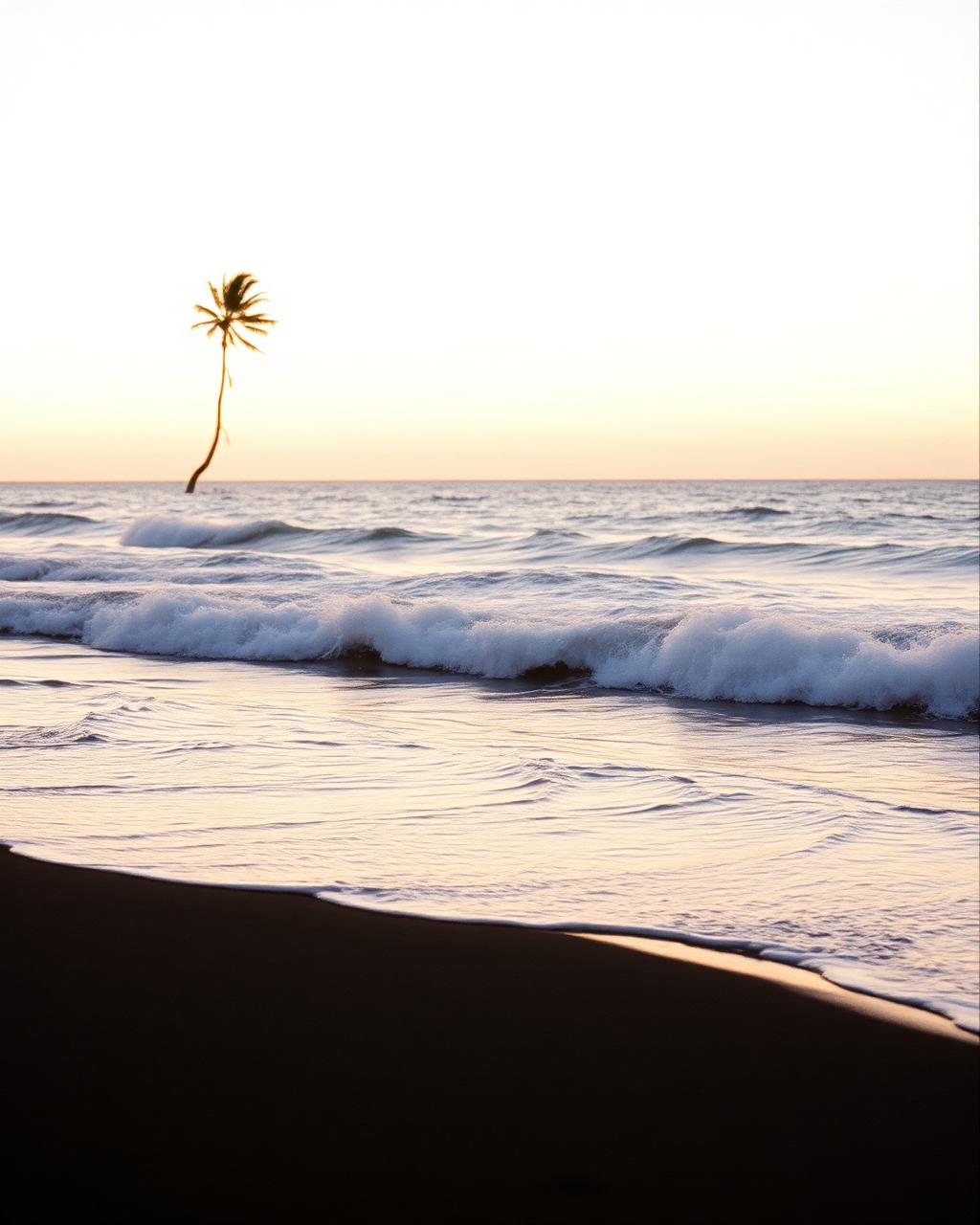
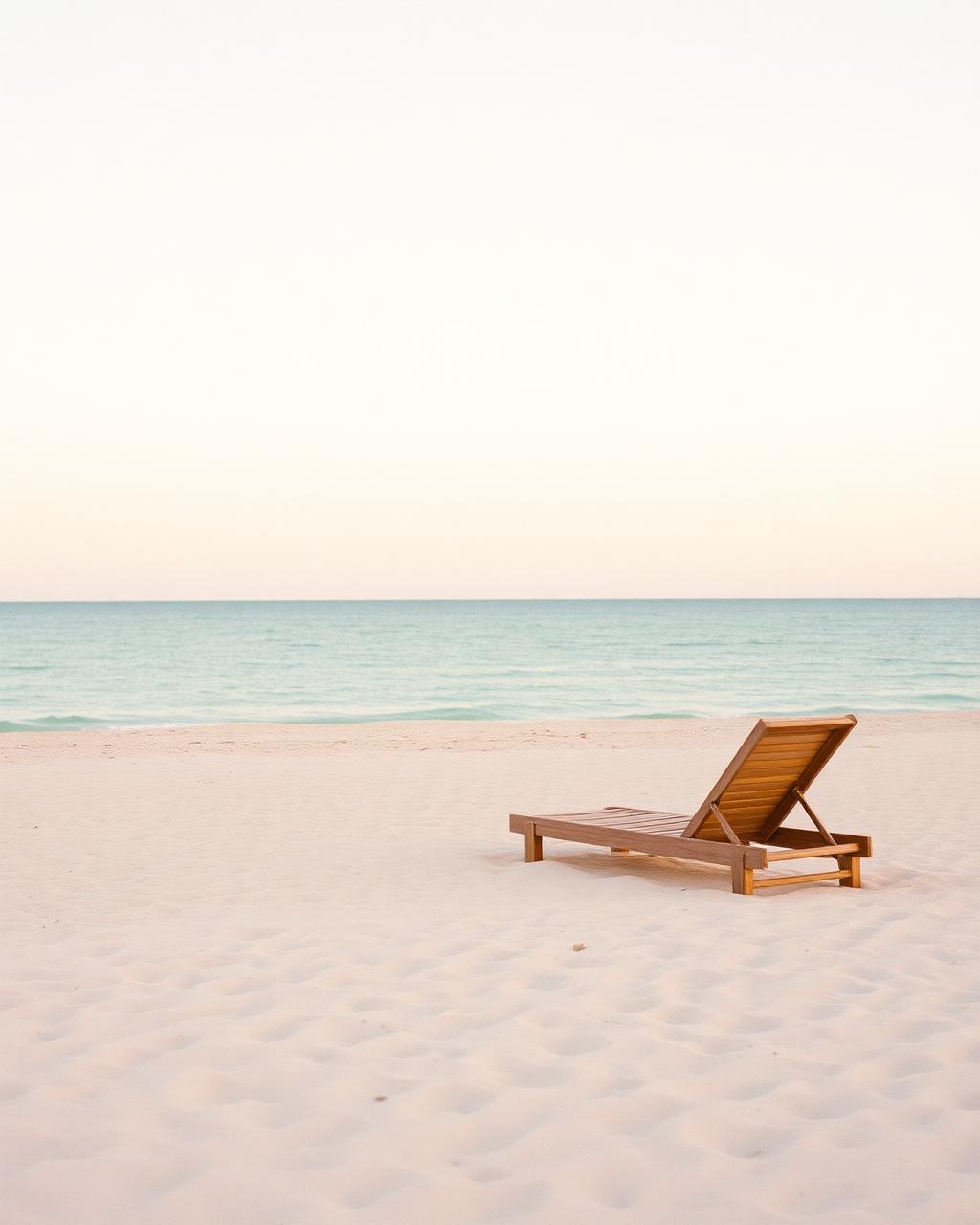
The first time I stepped onto the sand at Horseshoe Bay, I understood why photographers chase this beach. The sand is pink — not aggressively pink, not Instagram-filter pink, but a soft, warm blush that deepens in the wet places where the tide pulls back. It comes from crushed coral and shells mixed into the limestone, a geological detail that somehow makes it feel more personal, as if the island built its beaches by hand.
The water was clear enough to see through, shifting from pale turquoise near the shore to a deeper blue just beyond the rocks. And the rocks themselves — massive limestone formations smoothed by wind and water — created natural coves along the coastline, small private bays that felt sheltered and secret.
Kaiden played in the shallows while I sat on the sand, watching the water move. There was no urgency. No checklist. No sense that I was supposed to be somewhere else. And that, for me, was the lesson Bermuda was teaching — slowly, without saying it directly.
I was learning how to be still.
The Royal Naval Dockyard
The Dockyard sits at the western tip of the island, a collection of restored British military buildings that now house shops, restaurants, a museum, and the cruise port. It is where most cruise passengers first set foot on Bermuda, and its energy reflects that — bustling but contained, tourist-friendly without feeling manufactured.
What struck me was the architecture. The buildings are made of Bermuda limestone, thick and weathered, their walls carrying the marks of time. Cannons still point outward from the fortress walls, relics of a colonial history that sits heavily here if you pay attention. The National Museum of Bermuda — housed inside the old Commissioner's House — traces the island's history from its earliest settlement through slavery, through the World Wars, through its evolution into the self-governing territory it is today.
I spent time there because I believe in understanding the ground you walk on. Bermuda's beauty is undeniable, but its history is complicated, and I find that the two things become more meaningful when you hold them together.
Kaiden's First Cruise
In August of that same year, we returned to Bermuda — this time by sea. This was Kaiden's first cruise, one of my nine Carnival cruises, and the experience of approaching the island from the water added a dimension I hadn't expected.
From the ship, Bermuda appears gradually. First as a low line on the horizon, then as colors — the pinks and whites of the rooftops, the green of the hillsides, the blue of the surrounding water deepening as you approach. Coming into port felt ceremonial in a way that flying never does. You arrive slowly enough to take it in.
Cruising with a toddler is its own kind of travel education. The ship becomes a contained world — meals, naps, entertainment, the rhythm of days structured by the ocean's movement beneath you. And then the ports become punctuation marks, days of exploration that interrupt the floating routine.
What I remember most is how natural it felt. Kaiden adjusted to the ship's rhythm immediately, fascinated by the water, the size of everything, the newness of sleeping somewhere that moved. And Bermuda, when we arrived, felt familiar — a place we had already loved from land, now experienced from a different angle.
Hamilton: The Heart of the Island
Hamilton is small enough to walk in an afternoon and rich enough to surprise you for days. The capital sits along the harbor, its waterfront lined with pastel buildings and sailboats, its main street busy with commerce that feels both local and cosmopolitan.
Front Street is where the energy concentrates — shops, restaurants, offices, and the ferry terminal all within a few blocks. But the side streets are where Hamilton reveals its character. Small cafes tucked between buildings. Art galleries that showcase Bermudian painters. Churches with wooden pews and open windows, their services audible from the sidewalk on Sunday mornings.
The Bermuda Cathedral — the Cathedral of the Most Holy Trinity — is worth the climb. Gothic Revival architecture rising above the city, its stone interior cool and quiet, its stained glass windows filtering the sunlight into colors that move across the floor throughout the day.
I ate fish chowder with sherry peppers and black rum — the Bermudian way — at a waterfront restaurant and watched the harbor traffic. Small ferries crossed back and forth. Sailboats leaned into the wind. The light changed every few minutes, painting the water in different tones.
This is what Bermuda does. It slows time down until you stop resisting.
St. George's: Where History Lives
St. George's, on the eastern end of the island, is a UNESCO World Heritage Site and the oldest continuously inhabited English settlement in the New World. Walking through its streets feels like walking through a living history book — not the kind preserved behind glass, but the kind still in use.
King's Square sits at the center, with its replica stocks and ducking stool, reminders of colonial justice that feel both quaint and unsettling. The Unfinished Church — a Gothic stone structure that was never completed — stands on a hill above the town, open to the sky, its walls and arches framing the clouds above.
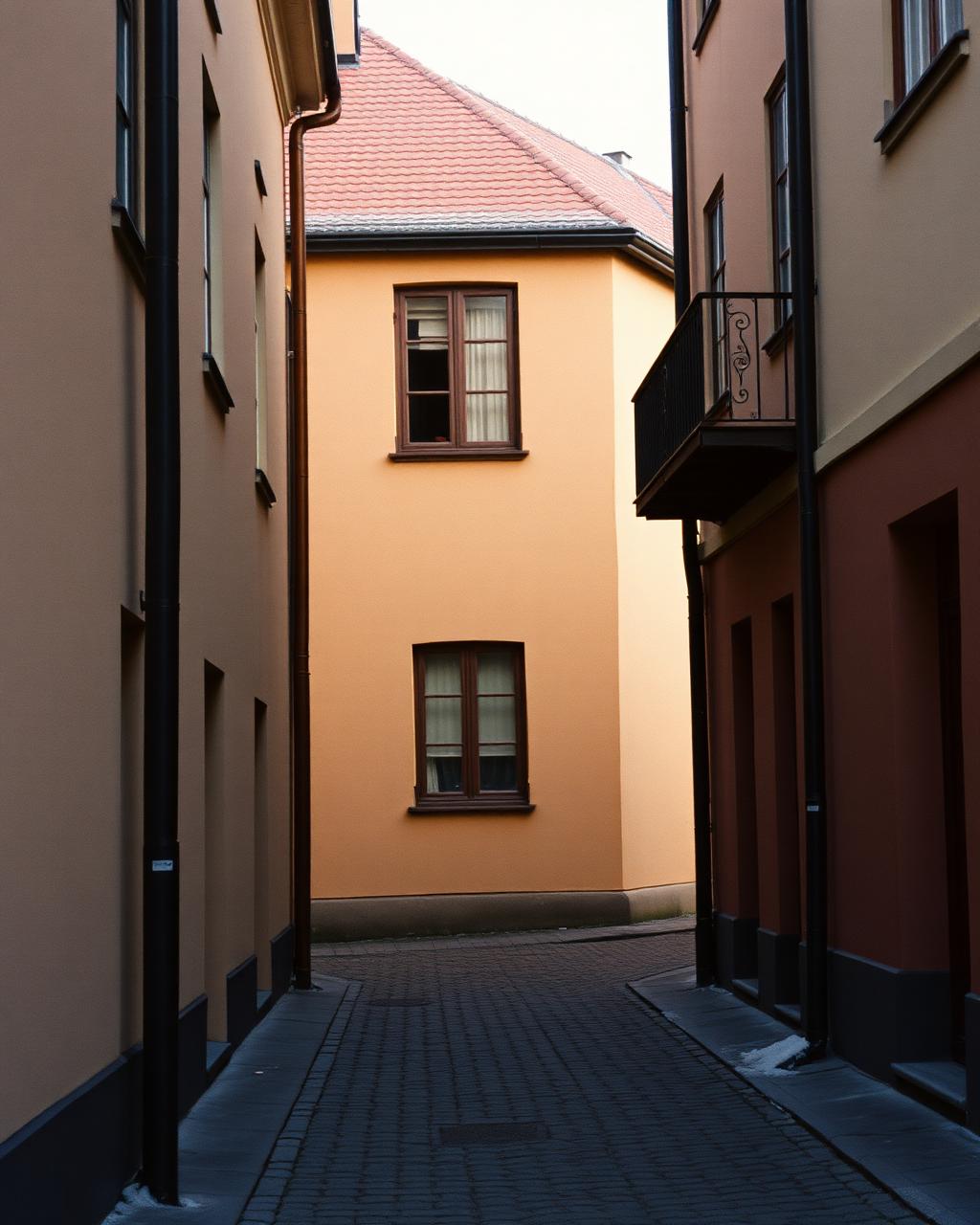
But it was the smaller details that stayed with me. The narrow alleys with names like Old Maid's Lane and Featherbed Alley. The whitewashed walls with bursts of bougainvillea spilling over them. The silence of the back streets, where the tourist crowd thins and the island's age becomes palpable.
St. George's also connects to a history I carry personally. As an African American woman, walking through a place where enslaved people once lived and worked — where the structures of their labor still stand — is never simple tourism. It is an act of witnessing. Bermuda's relationship with slavery is complex; the island never had plantations in the Caribbean sense, but slavery was woven into its maritime economy for over two centuries. That history is here, in the walls, in the ground, in the names.
What Bermuda Teaches About Travel
Some destinations teach you what you like. Bermuda taught me what I need.
I need stillness. I need the sound of water. I need to be somewhere small enough that the boundaries of the place create a kind of permission — permission to stop planning, stop optimizing, stop performing productivity.
Bermuda is only 21 square miles. You cannot drive fast — the speed limit is 35 kilometers per hour, and most of the roads enforce it through curves and narrowness. You cannot rent a car — visitors use scooters, buses, ferries, and taxis. These constraints, which might frustrate someone looking for efficiency, are actually the island's greatest gift. They force you into the island's rhythm instead of your own.
For me, traveling with my son in his earliest years, this was exactly right. I didn't need a destination that offered everything. I needed one that offered enough — enough beauty, enough history, enough warmth — and then gave me space to just be there.
Practical Wisdom
When to go: May through October offers the warmest weather, but September and October bring the best combination of warm water, smaller crowds, and lower prices. Hurricane season runs June through November, so travel insurance is essential.
Where to stay: The Hamilton Princess is the island's grand dame — a Fairmont property with a pink facade and a harbor-front pool that feels like the social center of the island. For something quieter, the Loren at Pink Beach offers a boutique experience directly on the sand. Mid-range visitors should consider Airbnb in Warwick or Paget parishes for the best combination of location and value.
Getting around: The public bus and ferry system is excellent and affordable. Buy a multi-day transit pass and use it freely — the ferry ride from Hamilton to the Dockyard is one of the most scenic commutes in the world.
What to eat: Fish chowry with sherry peppers and black rum. Fish sandwiches on raisin bread from Art Mel's. Rum swizzle at the Swizzle Inn, the home of the drink. And anything grilled dockside at the Frog & Onion Pub in the Dockyard.
What to pack: Bermuda has a dress code that many visitors don't expect. Restaurants and churches often require covered shoulders and smart casual attire. Pack one good outfit for dinner and plan to dress slightly better than you would in the Caribbean.
The Return
Every time I think about Bermuda, I think about that ferry ride — the blue water, the soft breeze, the weight of my son against my chest, the feeling that nothing else needed to happen.
Travel had always been about movement for me. About collecting places, covering ground, building the list. But Bermuda asked something different. It asked me to arrive and stay arrived. To stop looking for the next thing and sit with the thing in front of me.
I am still learning that lesson. But Bermuda is where it started.
And I think, for a lot of women who travel the way I do — intentionally, thoughtfully, carrying the weight of work and family and identity — that lesson is the one worth traveling for. Not the pink sand. Not the picture. But the permission to be still long enough to feel where you are.
Bermuda gave me that.
And I carry it everywhere I go.