Turkey at the Crossroads: Where Continents Collide and Nothing Is Simple
The muezzin's call unfurled itself across Istanbul, a silken ribbon of sound weaving through the pre-dawn quiet. It was not jarring — it was a gentle awakening.
The muezzin's call unfurled itself across Istanbul, a silken ribbon of sound weaving through the pre-dawn quiet. It wasn't a jarring alarm, but a gentle awakening, a melody that seeped into the very stones of the city. I lay in my hotel bed, listening, letting the ancient sound settle into the unfamiliar darkness. Outside the window, the first blush of dawn was painting the skyline with shades of rose and gold, the minarets of the Blue Mosque silhouetted against the emerging light like sentinels of a thousand years. It was 2024, and I was in Turkey for the first time, a country I had circled for years, saving it for the right moment. As a travel advisor who has navigated 49 territories, I've learned that some destinations require a certain readiness — not logistical, but emotional, intellectual. Turkey, I suspected, would demand my full engagement.
Where Two Worlds Collide and Refuse to Merge
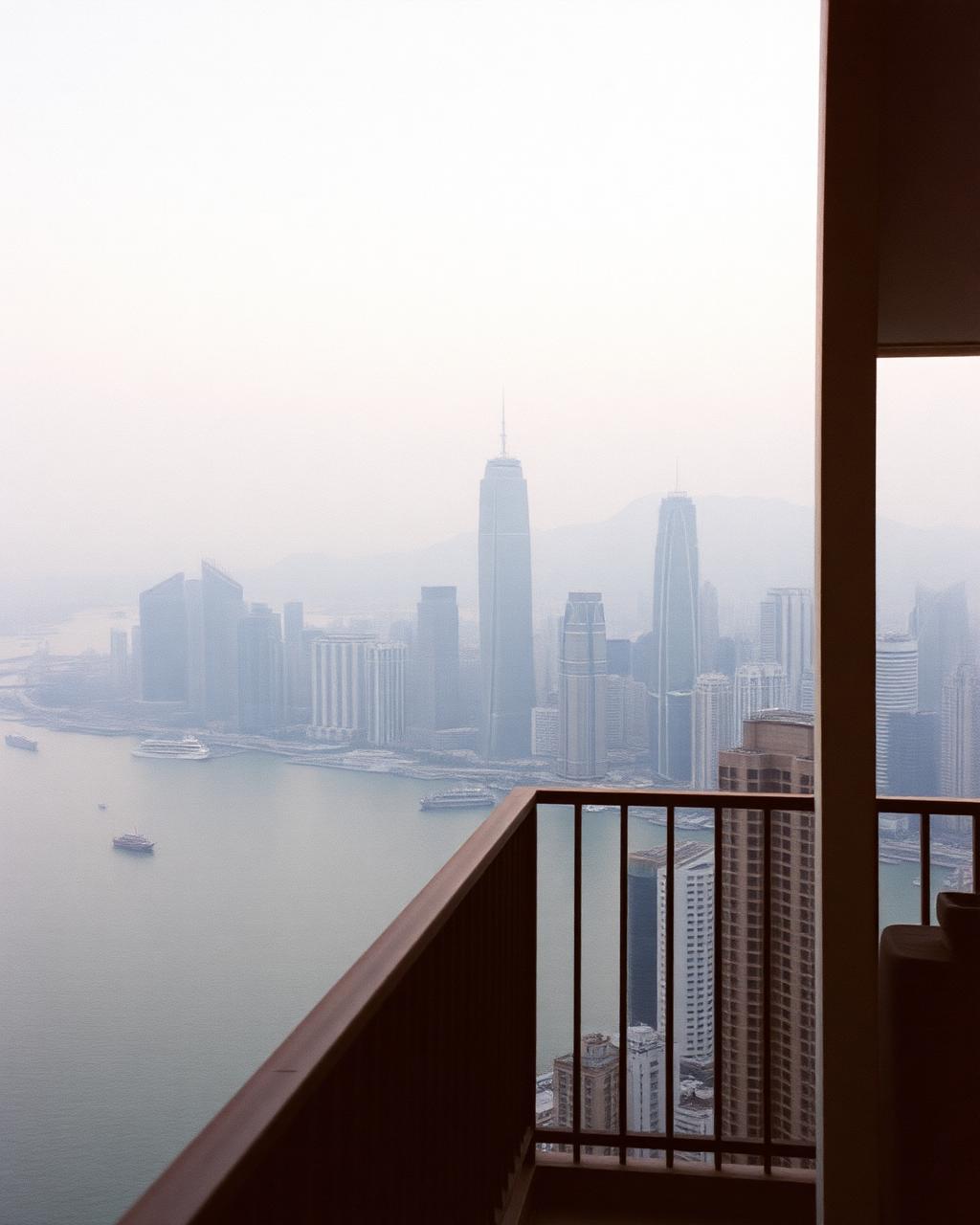
Turkey is the only country I've visited that genuinely spans two continents, and you feel that duality in every moment. Istanbul, straddling the Bosphorus, is the living embodiment of this: European on one bank, Asian on the other. But the division isn't clean or simple, and that's precisely what makes Turkey so compelling. It refuses to be one thing.
The country is simultaneously secular and sacred, ancient and hypermodern, Western-facing and deeply Eastern in its rhythms. I found this thrilling. In a world that increasingly demands we pick a side, Turkey exists in the productive tension of "and." The grand mosques and the rooftop cocktail bars. The covered bazaars and the sleek shopping malls. The call to prayer and the pulse of electronic music drifting from a Karaköy club. None of these contradictions are contradictions here; they are simply Turkey, existing in its full, unapologetic complexity.
Istanbul: A City of Layers
Sultanahmet: Where History Breathes
Sultanahmet is the historic heart of Istanbul, and to walk its streets is to traverse centuries. The Hagia Sophia — first a Byzantine cathedral, then an Ottoman mosque, then a museum, then a mosque again — is perhaps the most physically powerful building I've ever entered. The sheer scale of the interior, the weight of its layered history visible in the Christian mosaics and Islamic calligraphy coexisting on the same walls, left me standing in the center of the nave, looking up, struggling to speak.
The Blue Mosque, directly across the square, is an exercise in sublime symmetry — over 20,000 Iznik tiles covering the interior in cascading patterns of blue, white, and green. Entering shoeless, head covered, I felt the quieting effect of beauty at this scale. The Topkapi Palace, sprawling along the promontory overlooking the Golden Horn, was another revelation — its treasury, its harem, its gardens all telling stories of Ottoman power and refinement.
The Grand Bazaar and the Spice Market
The Grand Bazaar is not a market; it's a city within a city. Over 4,000 shops spread across 60 covered streets, selling everything from carpets to ceramics, gold to leather. I went in intending to browse for an hour and emerged three hours later, carrying a handmade ceramic bowl and a pair of leather slippers, having consumed two cups of apple tea offered by friendly shopkeepers.
The Spice Market, smaller and more focused, is a sensory assault — mountains of saffron, sumac, and dried peppers; pyramids of Turkish delight in every color imaginable; the warm, enveloping scent of roasting coffee. I bought more than I should have and regret nothing.
Kadıköy: The Asian Side
One of my best decisions in Istanbul was crossing to the Asian side. The ferry ride across the Bosphorus — cheap, fast, and scenic — is an experience in itself, offering views of the city skyline that no photograph can capture. Kadıköy is where many Istanbulites actually live, and it feels markedly different: more residential, more local, with a vibrant market street, independent bookshops, and some of the city's best restaurants.
I spent an afternoon wandering the Kadıköy food market, sampling everything: fresh fish sandwiches, stuffed mussels, künefe dripping with syrup. It was here, surrounded by Turkish families doing their Saturday shopping, that Istanbul felt most real to me.
Cappadocia: Another Planet Entirely
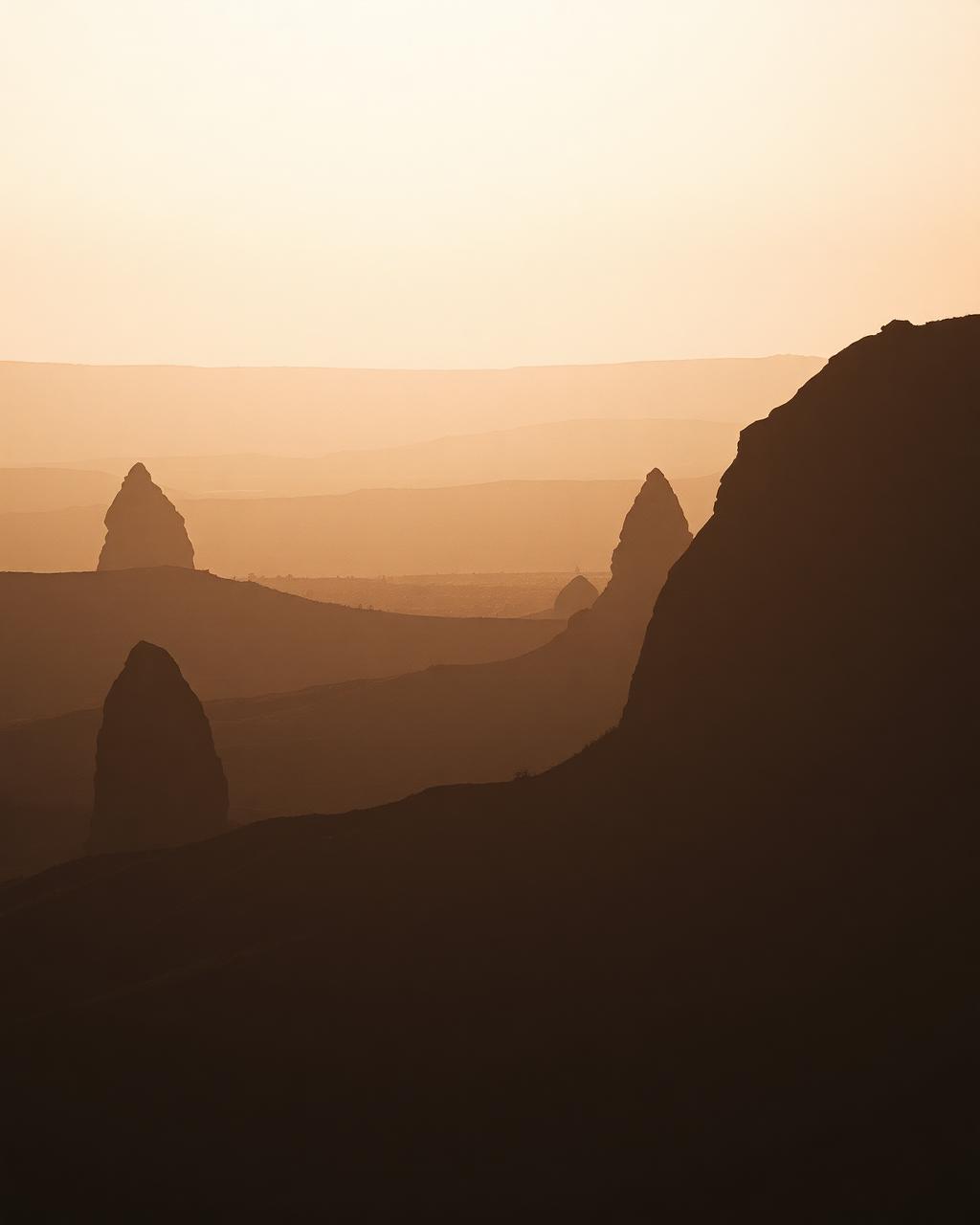
If Istanbul is a city of human complexity, Cappadocia is a landscape of geological drama. The lunar valleys, the fairy chimneys, the cave churches — it looks like something designed by a particularly imaginative film set designer, except it's entirely natural, carved by millions of years of volcanic eruption and erosion.
I stayed in a cave hotel in Göreme, sleeping in a room carved directly into the rock face. Waking at 5 AM to watch the hot air balloons rise — dozens, then hundreds of them, in every color, floating silently over the valleys as the sun turned the landscape from grey to gold to rose — was one of the most beautiful things I have ever witnessed. The silence of it. The scale. The sheer improbability. I understand now why this is the most photographed scene in Turkey. Some things earn their fame.
Beyond the balloons, I hiked the Rose Valley, a trail that winds through pink and orange rock formations, past ancient cave churches with frescoes still visible on their walls. The silence here is different from Istanbul's noise — both are distinctly Turkish, both equally valid. I visited the Derinkuyu underground city, an ancient multi-level complex carved deep into the earth, capable of sheltering thousands. The engineering is staggering, the history sobering.
The Food: A National Obsession
Turkish breakfast alone deserves its own essay. Imagine a table covered — literally covered — with small plates: cheeses, olives, tomatoes, cucumbers, honey, clotted cream, fresh bread, eggs prepared multiple ways, sausage, jams, and endless tea. It is an act of generosity, a morning ritual that can easily last two hours. I have never felt more nourished.
Beyond breakfast, the food never lets up. Kebabs in their infinite variety (and forget what you think you know — Turkish kebab is a universe away from the late-night version). Lahmacun, sometimes called Turkish pizza, thin and crispy and topped with spiced lamb. Manti, tiny dumplings drowning in yogurt and chili butter. Baklava in Gaziantep-style layers of tissue-thin phyllo and bright green pistachio, so sweet it makes your teeth ache and your soul sing.
Practical Wisdom
Visa: Most nationalities need an e-visa, easily obtained online before your trip. Don't leave it until the airport.
Getting around: Istanbul's public transit is excellent — the tram, metro, and ferries cover the city comprehensively. For Cappadocia, domestic flights from Istanbul are affordable and take about 90 minutes. Within Cappadocia, rent a car or join small group tours for the valleys.
When to visit: Spring (April-May) and autumn (September-November) are ideal. Summers are hot, especially in Cappadocia. Winter brings snow to Cappadocia, which is stunning but cold.
What to wear: Turkey is a secular country, but modesty matters in mosques. Carry a scarf for covering your head, and wear clothing that covers your shoulders and knees when visiting religious sites. Outside of mosques, Istanbul is cosmopolitan — wear whatever you like.
Budget: Turkey offers extraordinary value. Meals, accommodation, and transport are significantly cheaper than Western Europe, without any compromise in quality.
Nothing Is Simple, and That Is the Gift
I left Turkey carrying a specific kind of intellectual exhaustion — the good kind, the kind that comes from having your assumptions challenged, your palate expanded, and your understanding of the world enlarged. Turkey doesn't offer easy answers or simple narratives. It is a country of productive contradictions, and to travel there with openness is to receive an education in complexity itself.
As an advisor, I now recommend Turkey with a particular enthusiasm, especially for travelers who have "done" Western Europe and are looking for something that pushes them further — not geographically, but intellectually and emotionally. Turkey asks something of you. And what it gives in return is immeasurable.