Europe's Dramatic Edges: What Switzerland, Scotland, and Ireland Share
Standing at the Cliffs of Moher, the Atlantic roaring hundreds of feet below, I understood something about Europe that no city break could teach me.
The wind at the Cliffs of Moher doesn't ask permission. It arrives — full-bodied, salt-laden, ancient — and it takes whatever it wants: your hat, your breath, your composure. I stood at the edge, the Atlantic roaring hundreds of feet below, the Aran Islands floating like gray ghosts on the horizon, and I understood something about Europe that no city break had ever taught me: this continent has edges. Not just borders on a map, but actual, physical, dramatic edges where the land runs out and the world becomes elemental — wind, water, stone.
In 2023, I traveled through three countries that share this quality: Switzerland, Scotland, and Ireland. They are geographically distinct, culturally different, and separated by language, history, and temperament. But they share something essential: a landscape so dramatic it makes you feel small, and a culture that has been shaped by that smallness into something resilient and beautiful.
Switzerland: Precision Meets Grandeur
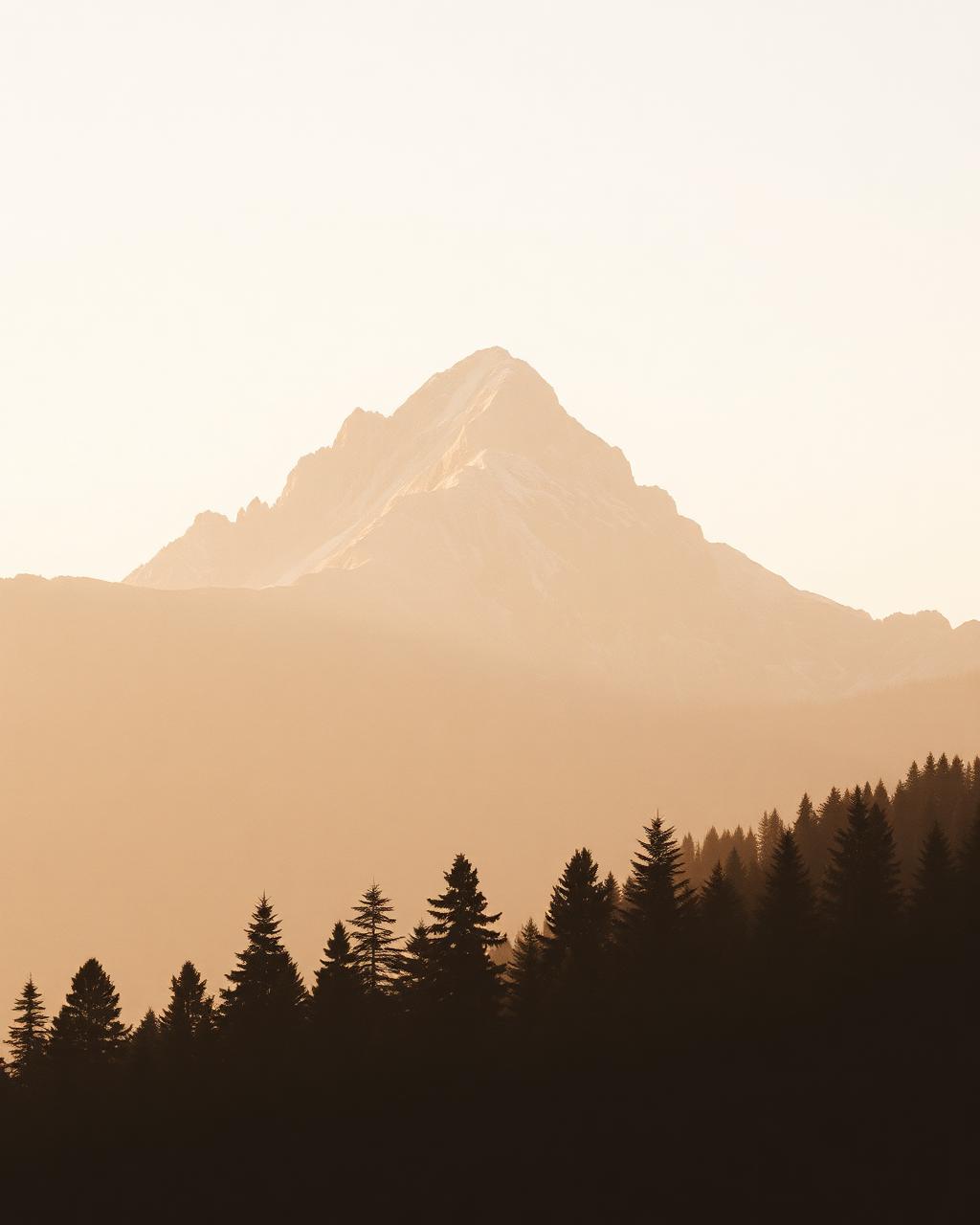
Switzerland was first, and it nearly ruined me for every other landscape. The Alps are not just mountains; they are a geological argument for the existence of the sublime. Standing in the Lauterbrunnen Valley — seventy-two waterfalls cascading down sheer cliff faces on either side — I felt the kind of awe that usually requires a cathedral.
The Swiss train system is its own miracle. The Glacier Express, the Bernina Express, even the ordinary regional trains offer views that in any other country would be a major tourist attraction. Here, they're just the commute. I rode through tunnels carved into mountains, across bridges spanning gorges, past lakes so blue they looked artificially enhanced.
Zurich was elegant and composed — a city of clean lines, excellent chocolate, and a waterfront that invites long walks. Lucerne, with its medieval Chapel Bridge and mountain backdrop, felt like a fairy tale that had been Swiss-engineered for maximum efficiency. But it was the smaller towns — Grindelwald, Wengen, Mürren — where Switzerland truly shone. Car-free mountain villages accessible only by cable car, where the silence is broken only by cowbells and the distant rumble of avalanches.
Scotland: The Highlands and the Heart
From Switzerland's precision, Scotland offered something rawer. The Highlands don't care about your comfort. They are vast, empty, weather-beaten, and heartbreakingly beautiful. Driving through Glen Coe — a valley carved by ancient glaciers, surrounded by brooding mountains — I pulled over three times simply to stand in the wind and stare.
Edinburgh was our base, and what a base it is. The city is essentially two cities stacked on top of each other: the medieval Old Town, all narrow closes and Gothic spires, and the Georgian New Town, all elegant crescents and rational planning. Edinburgh Castle, perched on its volcanic plug, dominates the skyline with an authority that feels earned rather than imposed.
But it was the whisky that became our thread through Scotland. We visited distilleries in Speyside, tasting single malts that ranged from honey-sweet to peat-smoke-intense. The ritual of whisky tasting — the color, the nose, the palate, the finish — mirrors the Scottish approach to many things: deliberate, considered, with a depth that reveals itself slowly.
Ireland: Where Stories Live in the Landscape
Ireland was last, and it wrapped everything up in narrative. The Irish don't just inhabit their landscape; they narrate it. Every cliff, every ruin, every pub has a story, and someone is always willing to tell it.
The Wild Atlantic Way, stretching along Ireland's western coast, is one of the great driving routes in the world. From the Cliffs of Moher south through the Dingle Peninsula to the Ring of Kerry, the coastline is a continuous assault of beauty — sea stacks, hidden beaches, medieval tower houses, and sheep. Always sheep.
Dublin was warm and literary — a city where you can't walk ten minutes without passing a plaque marking where some famous writer lived, drank, or caused a scandal. We visited the Book of Kells at Trinity College, drank Guinness at the source, and spent an evening in a pub in Temple Bar where a session of traditional music broke out spontaneously and lasted three hours.
What These Three Countries Share
The common thread isn't geography — Switzerland is landlocked mountains, Scotland is rugged coast and highland, Ireland is rolling green and dramatic cliff. What they share is a relationship between landscape and character. In all three countries, the natural world isn't a backdrop; it's a protagonist. The mountains, the moors, the cliffs have shaped the people who live among them into cultures that value resilience, storytelling, and a specific kind of beauty that includes harshness.
Practical Wisdom
Best time: Late May through September for all three. Scotland and Ireland are unpredictable year-round — pack layers and waterproofs regardless of season. Switzerland is glorious in summer and magical in winter.
Getting around: Trains in Switzerland, car rental in Scotland and Ireland. Driving on the left in Scotland and Ireland takes adjustment but the freedom is worth it.
Combining them: A two-week trip combining all three is very doable. Fly into Zurich, train through Switzerland, fly to Edinburgh, drive the Highlands, ferry or fly to Dublin, drive the Wild Atlantic Way. It's one of the great European itineraries.
Budget: Switzerland is expensive. Scotland and Ireland are moderate. Plan accordingly — splurge on a train journey in Switzerland, save on cozy B&Bs in Scotland and Ireland.
The Gift of Feeling Small
I returned from these three countries carrying a specific gift: the memory of feeling small. Not diminished, not insignificant, but properly scaled. In a world that constantly tells us to be bigger, louder, more visible, there is something profoundly restful about standing at the edge of a cliff, or in the shadow of a mountain, and understanding that the earth was here long before you and will be here long after. It doesn't care about your plans. It doesn't need your approval. It just is — vast, dramatic, and beautiful. And for a traveler, that's the most honest mirror there is.