Costa Rica to Belize: The Central American Corridor Most Travelers Overlook
The howler monkeys woke me at 5:30am in an open-air bungalow between La Fortuna and Monteverde. That sound — part wind, part thunder, part something prehistoric — is what Central America sounds like when it's being honest with you.
The Morning the Howler Monkeys Woke Me Up
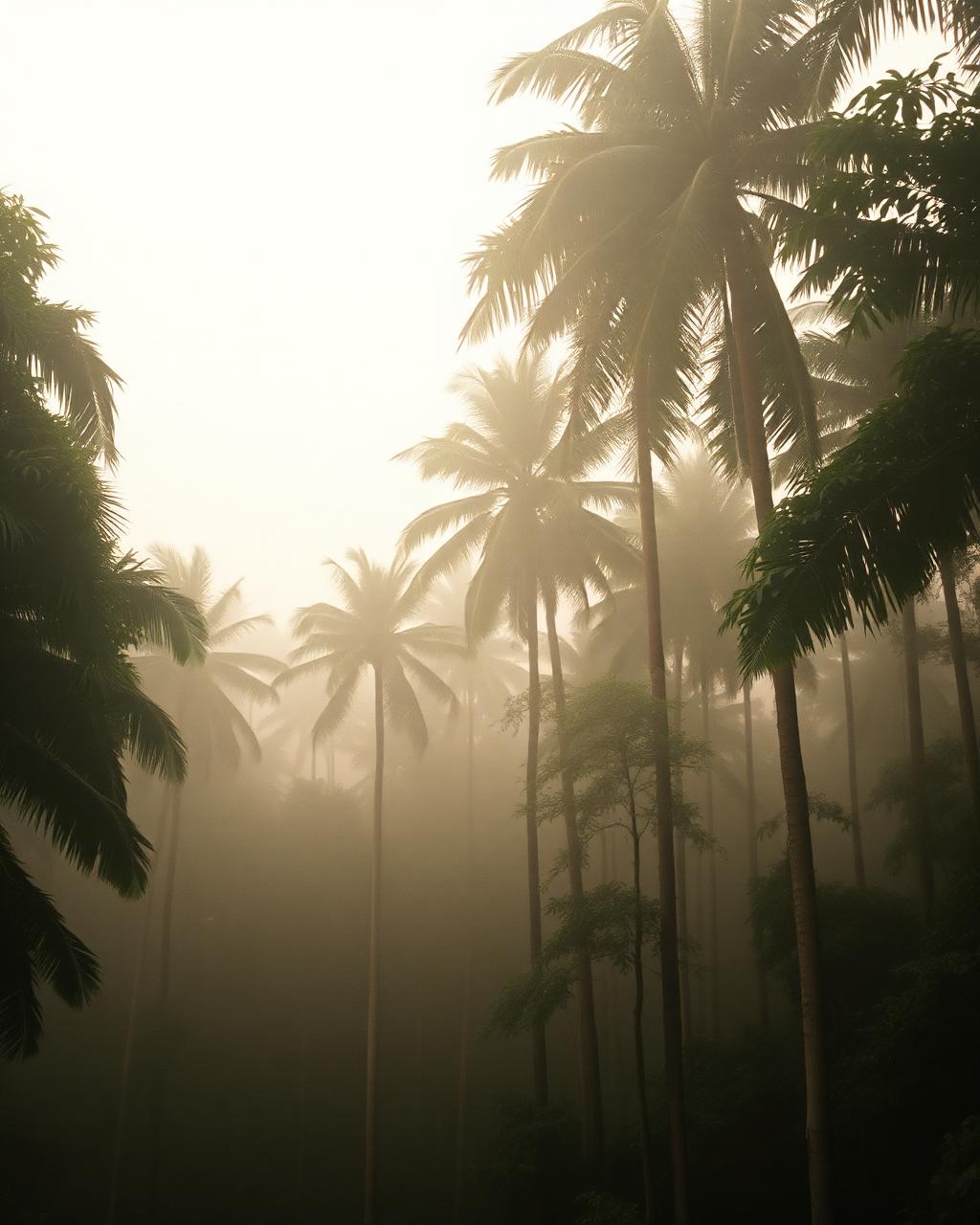
I was sleeping in an open-air bungalow somewhere between La Fortuna and Monteverde when the howler monkeys started. If you've never heard them, imagine a sound that's part wind, part thunder, part something prehistoric that makes you remember you are, in fact, a guest on this planet. It was 5:30am. The volcano was hidden in cloud. And I thought: This is what Central America sounds like when it's being honest with you.
Costa Rica and Belize share a region but not a personality. Costa Rica is polished eco-tourism with excellent infrastructure — hanging bridges, zip lines, volcanic hot springs with cocktail service. Belize is rougher, wilder, more Caribbean than Latin American, with a barrier reef that rivals Australia's and Maya ruins rising from jungle canopy. Together, they form a corridor that offers more range — ecological, cultural, emotional — than almost any comparable trip I've designed.
Most travelers pick one or the other. I think that's a mistake. The contrast between them is the whole point.
Costa Rica: Where Nature Has the Final Word
Costa Rica figured out decades ago that its greatest export wasn't coffee or bananas — it was its forests. The country has doubled its forest cover since the 1980s through deliberate conservation policy, and the result is a nation where wildlife doesn't feel curated. You'll see toucans from your breakfast table, sloths draped over highway signs, and blue morpho butterflies the size of your hand drifting through cloud forest corridors.
Arenal: Fire and Water
The Arenal region is where most trips begin, and for good reason. The volcano itself — a perfect cone rising from flat farmland — sets the visual tone for the whole country. But the real experiences here are at ground level.
Mistico Hanging Bridges Park ($26) offers three kilometers of trails through cloud-kissed forest on suspension bridges that put you at canopy height. The perspective change is profound — suddenly you're eye-level with birds and orchids that exist in a world most people walk beneath without noticing.
La Fortuna Waterfall requires 500 steps down and 500 back up, but the pool at the base of this 70-meter cascade is one of the most beautiful swimming holes I've encountered anywhere. Go before 9am for something approaching solitude.
In the evening, Tabacón Hot Springs ($99 including dinner) delivers the kind of experience that justifies every minute of travel planning — natural thermal rivers heated by volcanic activity, surrounded by tropical gardens, with the volcano occasionally visible through the steam. The combination of hot water, cool mountain air, and absolute darkness overhead is transcendent.
Practical note: Tabacón is the premium experience. For a quieter, more intimate alternative, Ecotermales ($45) is smaller and equally warm, without the resort atmosphere.
Monteverde: The Cloud Forest
The drive from Arenal to Monteverde is spectacular and occasionally terrifying — winding mountain roads, no guardrails, views that make you forget to breathe. This is where a 4WD rental earns its premium.
Monteverde's cloud forest reserve is one of the most biodiverse places on the planet. The guided night tour (book through the reserve, $25) is extraordinary — your guide's flashlight finds sleeping toucans, red-eyed tree frogs, and insects so precisely camouflaged they look like leaves until they move. This is the experience that separates Costa Rica from a nature documentary: you're not watching it — you're inside it.
Crossing to Belize: A Different Caribbean
The transition from Costa Rica to Belize is not subtle. You leave behind paved highways and eco-lodge polish and arrive in a country where English is the official language, the currency is pegged to the US dollar, and the cultural influences include Maya, Garifuna, Creole, and Mennonite — sometimes in the same small town.
The Barrier Reef: An Underwater Cathedral
Belize's barrier reef is the second largest in the world, and snorkeling or diving here is a non-negotiable. Hol Chan Marine Reserve, accessible from Ambergris Caye or Caye Caulker, puts you in water so clear you can see thirty meters of coral architecture below you. Nurse sharks drift beneath you like slow clouds. Stingrays ripple across the sand floor. Eagle rays glide past with a wingspan wider than your arms.
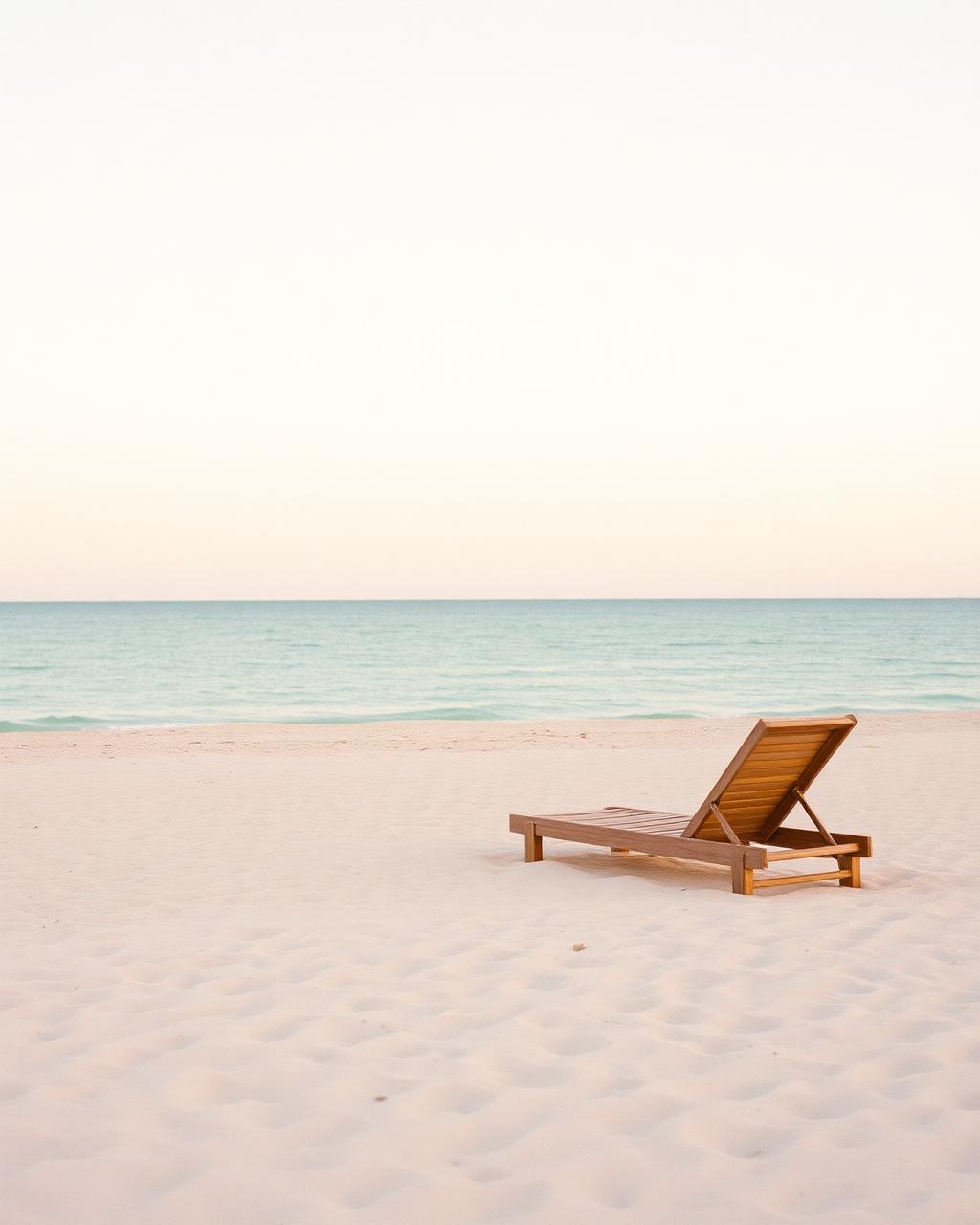
Caye Caulker is my preference over Ambergris — smaller, cheaper, more characterful. The island's unofficial motto is "Go Slow," which is both a traffic instruction and a life philosophy. Golf carts replace cars. Dinner is grilled lobster on the beach. The pace is restorative in a way that takes about 24 hours to stop resisting.
The Maya World: Xunantunich and Caracol
Inland Belize is a different country entirely. The Maya ruins at Xunantunich (near San Ignacio) rise from the jungle canopy, and climbing El Castillo — the main pyramid — gives you views across the border into Guatemala's Petén jungle. The scale is stunning, and on a weekday morning, you might have the entire site to yourself.
Caracol, deeper in the jungle, was once the largest Maya city in Belize, with a population larger than present-day Belize City. Getting there requires a 4WD on unpaved roads through the Mountain Pine Ridge, but the remoteness is the point — you arrive at a civilization that thrived for a thousand years in a place that's now returned almost entirely to forest.
The Food That Connects Both Countries
In Costa Rica, the national meal is the casado — rice, beans, plantain, salad, and your choice of meat, served at sodas (local restaurants) for $5–7. It's unpretentious, nourishing, and somehow never boring. Each soda prepares it slightly differently, and the variations become a daily discovery.
In Belize, the flavor profile shifts to Caribbean: rice and beans cooked in coconut milk, stewed chicken with recado spice, fresh ceviche from the day's catch, and fry jacks — puffy fried dough served for breakfast with beans and cheese. At Marie Sharp's factory (outside Dangriga), you can tour the production of Belize's famous habanero hot sauce and buy directly — the smoky versions are the ones you can't find outside the country.
The thread connecting both cuisines is freshness. Nothing is pretending to be something it isn't. The fish was caught this morning. The beans were cooked this morning. The tortillas were made while you were ordering.
Who This Trip Is For
This corridor works exceptionally well for families with older children (the adventure activities in Costa Rica are world-class), for couples seeking a mix of relaxation and exploration, and for solo travelers who want variety without the complexity of multiple flight connections.
The pacing matters. Don't try to do both countries in seven days. Ten days is the minimum — four in Costa Rica, five in Belize, with a travel day between. Domestic flights within Belize (Tropic Air or Maya Island Air) are the most efficient way to move between the mainland and the cayes.
When to go: December through April is dry season in both countries. Green season (May–November) means lower prices, fewer crowds, and afternoon rain that usually clears by sunset. I've traveled Central America in both seasons and genuinely prefer green — the landscape is more alive, and the afternoon rain gives you permission to slow down.
What This Corridor Teaches
Costa Rica and Belize taught me that adjacent countries can offer completely different emotional experiences. Costa Rica made me feel capable — I hiked volcanoes, crossed hanging bridges, swam beneath waterfalls. Belize made me feel receptive — I floated above coral, watched sunsets from a hammock, and learned to match the island's pace instead of imposing my own.
The best trips contain both energies. They push you and then they hold you. This corridor does both, naturally, without forcing anything.
Ariana Fiorello-Omotosho is a travel coach and curated travel strategist who has visited 49 territories across six continents. She helps thoughtful travelers design trips that balance adventure with meaning.