Portugal's Golden Coast: What Lisbon and Porto Teach You About Patience
When that Portuguese light first washed over me — buttery and ancient — I felt something brewing in my soul, something like: Oh. This is it.
I'm not usually one for grand proclamations, not in my personal life anyway. As a travel advisor, I've learned to speak in confident, clear terms. But when I landed in Lisbon, when that Portuguese light, buttery and ancient, first washed over me, I felt an utterance brewing in my soul, something like: "Oh. This is it."
It was 2022, and our family — my husband Tunde, our son Kaiden, and me — craved a recalibration. We'd been to dozens of territories across the globe, each leaving its indelible mark, but Portugal, with its promise of coastal allure and historic whispers, felt different. As a former Delta employee, then a Westin alum, and now a Fora advisor, I've seen my share of beautiful places. Yet, Portugal offered something beyond the polished veneer: a profound lesson in patience, delivered with a smile and a fresh-baked pastel de nata.
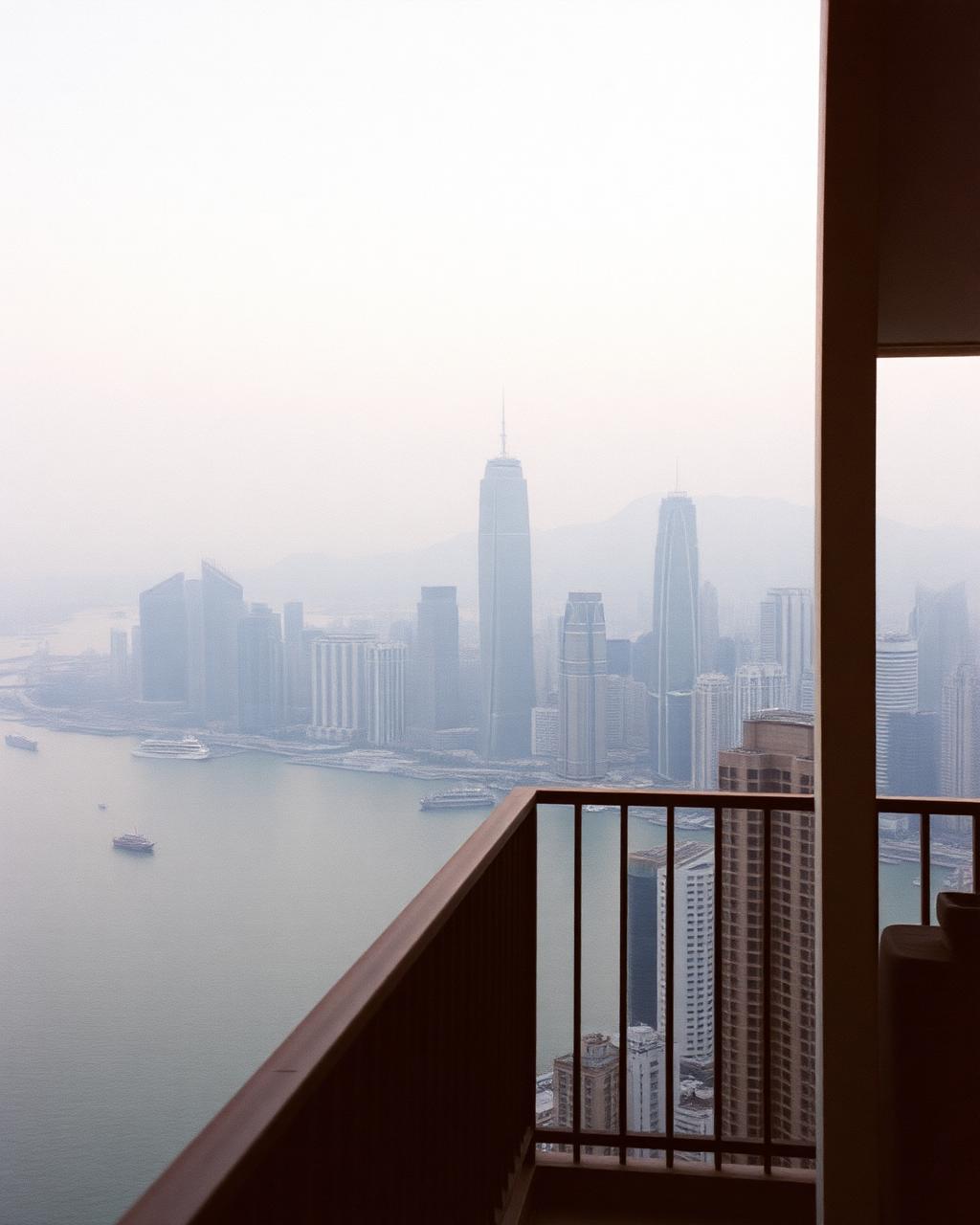
I remember that first morning in Lisbon so vividly. We were staying in an apartment near the Alfama, the air still cool with the promise of a warm day. Stepping onto our tiny balcony, the city unfurled before us in a stunning tableau of terracotta roofs, whitewashed buildings, and those ubiquitous, mesmerizing azulejos — tiles telling stories from centuries past. The cobblestone streets, still wet from a morning cleaning, gleamed under that signature Lisbon light. You immediately understand why painters and poets have fallen captive to it.
The Unhurried Rhythms of Saudade
Portugal doesn't rush. This isn't a critique; it's an observation born of deep appreciation. In our American scramble for efficiency, for maximizing every minute, for seeing everything, we often miss the essence of a place. Portugal gently nudges you to slow down, to breathe, to simply be. This unhurried pace is deeply intertwined with the concept of saudade — that untranslatable Portuguese word for a profound, melancholy longing, a bittersweet nostalgia for something lost or never experienced. It's not just a feeling, but a way of life, an acceptance of transience that imbues everything with a certain gravity.
Contrast this with the American travel ethos, where schedules are packed, landmarks are checked off, and experiences are consumed rather than savored. Portugal teaches you to let go. Meals are leisurely, conversations linger, and the greatest joy often comes from simply sitting at an outdoor cafe, sipping a bica, and watching life unfold. The trams clatter by, the Fado music drifts from an open doorway, and the sun continues its slow descent towards the Tagus River.
Lisbon's Labyrinthine Charms: From Alfama to Belém
Lisbon is a city built for exploration on foot, her seven hills a testament to both beauty and exertion. Each neighborhood boasts its distinct personality.
Our home base was the Alfama, Lisbon's oldest district — a riot of narrow, winding alleyways, ancient houses crammed together, and laundry flapping from wrought-iron balconies. Getting lost here isn't a failure; it's the point. We'd wander, stumbling upon tiny Fado restaurants preparing for the evening, viewpoints that stole our breath, and hidden chapels with centuries of candlewax pooling in their corners.
Belém was a necessary pilgrimage, home to the iconic Torre de Belém and the Jerónimos Monastery, both UNESCO World Heritage sites. The sheer scale and artistry of the Manueline architecture of the monastery left me speechless. And then, of course, there's the Pastéis de Belém bakery, where the original recipe for pastel de nata has been guarded since 1837. The queue is long. The pastry is worth every minute.
Bairro Alto by night is where Lisbon reveals its bohemian soul. It's a neighborhood of narrow streets, crammed with bars, restaurants, and Fado houses. We found a tiny, unassuming Fado house one evening, where the singer, a woman whose voice could crack stone, reduced the entire room to tears. It was raw, unpolished, and utterly magnificent.
The LX Factory also captured our hearts — a former industrial complex transformed into a vibrant hub of restaurants, shops, and art galleries. It's a brilliant example of adaptive reuse, and a perfect place for a lazy afternoon of browsing and eating.
Porto and the Douro Valley: A Grittier Kind of Beauty
If Lisbon is the elegant hostess, Porto is the artist with paint under her nails. We took the train north — a scenic journey through the Portuguese countryside — and arrived to a city that felt immediately different. Porto is grittier, steeper, and in many ways, more intensely beautiful. The Ribeira district, a UNESCO World Heritage site, is a cascade of colorful, crumbling buildings tumbling down to the Douro River. It's a place where beauty and decay coexist, each enhancing the other.
We crossed the iconic Dom Luís I Bridge, an iron masterwork by a student of Gustave Eiffel, for sweeping views of both Porto and Vila Nova de Gaia across the river. In Gaia, we visited several Port wine cellars, tasting our way through tawnies and rubies and LBVs. The history of Port wine is fascinating — a product born of necessity (adding brandy to preserve wine for long sea voyages) that became a luxury.
The food in Porto was arguably even better than Lisbon. A francesinha — the city's legendary sandwich, a towering construction of bread, cured meats, sausage, steak, cheese, and a spicy beer-and-tomato sauce — is an experience that defies description. It is excessive, magnificent, and entirely Porto.
Traveling with Kaiden: The Family Dimension
Traveling with a young child in Portugal was, surprisingly, effortless. The Portuguese are genuinely warm towards children, and Kaiden was fussed over in every restaurant and shop we entered. The pace of travel, naturally slowed by a child's needs, actually aligned perfectly with Portugal's own unhurried rhythm.
We built our days around his energy: mornings for exploring, a long Portuguese lunch (where he inevitably charmed the waitstaff), then a rest before evenings of gentle wandering. The trams were a constant source of fascination for him — Tram 28 in Lisbon, rattling through the Alfama, was ridden no fewer than four times. Parks and playgrounds were plentiful and well-maintained.
What I appreciated most was how naturally Portugal accommodated a family without feeling like a "family destination" in the sanitized, theme-park sense. We weren't directed to kids' menus or family-friendly zones. We simply existed within the fabric of Portuguese life, and Kaiden was treated as a small, welcome member of it.
Practical Wisdom
Tram tips: Tram 28 in Lisbon is iconic but often crushingly crowded. Go early in the morning or late in the afternoon for a more comfortable ride. Better yet, walk the route — you'll see more and burn off the pastéis de nata.
Pastéis de nata ranking: Pastéis de Belém is the most famous and worth the queue, but Manteigaria in Chiado serves them fresh, warm, and with less tourist chaos. My dark horse recommendation: any unassuming neighborhood bakery — the less known, the better.
When to go: Spring (April-June) and early autumn (September-October) are ideal. Summers can be very hot, particularly inland. Winter is mild and brings fewer tourists, but some coastal areas can be windy and wet.
Pacing between cities: Don't try to do Lisbon and Porto in less than a week combined. Give Lisbon at least three full days, Porto at least two, and ideally add a day trip to Sintra from Lisbon. If you have more time, the Algarve coast in the south offers stunning beaches and a completely different vibe.
Getting around: Portugal's train system is excellent and affordable. The Alfa Pendular connects Lisbon and Porto in about 2.5 hours. Within cities, trams, buses, and walking are all you need. Renting a car is useful only if you're exploring the countryside or the Algarve.
What Patience Really Means
I left Portugal carrying something intangible but significant: a recalibrated sense of time. In a world that constantly demands speed, efficiency, and productivity, Portugal quietly insists on the opposite. It says: the meal is more important than the schedule. The conversation matters more than the destination. The light — that extraordinary, honeyed Portuguese light — is worth stopping for.
As a travel advisor, I now recommend Portugal to a very specific kind of traveler: the one who is exhausted by their own pace. The one who says they want to "relax" but doesn't know how. Portugal won't teach you to do nothing. It will teach you to do everything more slowly, more deliberately, and with a great deal more pleasure. That, I think, is the most valuable thing a destination can offer.