What Lima Taught Me About the Space Between Hunger and Belonging
The first ceviche arrived before I was ready for it — bright, acid-sharp, alive in a way that made me reconsider everything I thought I knew about eating well.
A Whisper From the Andes, A Taste of the Ocean
The hum of the Boeing 767 had long faded, replaced by the familiar symphony of a new city: a distant car horn, the murmurs of Spanish, the surprisingly cool rush of evening air against my skin. Landing in Lima, Peru, in late 2023 felt less like an arrival and more like a gentle unfolding. As a Black woman who has navigated the intricacies of 49 territories, I've learned to listen not just with my ears, but with all my senses, for the heartbeat of a place. Lima's heartbeat was immediate, rhythmic, and deeply, unexpectedly, hungry.
Not hungry for novelty, mind you. Not for the Instagrammable plate or the Michelin-starred experience, though Lima has those in breathtaking abundance. It was a hunger for connection, for understanding how food could be a language more precise than words, how a single plate could tell you more about a nation's history, its resilience, its very identity, than any guidebook ever could. This was the hunger I carried with me, and Lima, with its characteristic generosity, answered it in ways I'm still processing.
My purpose as a travel writer has never been simply to entertain or to showcase beautiful places. It's to help thoughtful women — and anyone who travels with intention — see the world more clearly, move through it more confidently, and return home with a deeper understanding of both the destination and themselves. Peru, and Lima in particular, offered an education in all of that, served one exquisite bite at a time.
Where Ceviche Is a Philosophy
There's a common misconception that ceviche is simple. Lime juice, raw fish, onion, chili. It sounds like a recipe you could toss together on a Tuesday. But to eat ceviche in Lima is to understand that simplicity, when wielded by masters, is the most complex thing of all.
My first proper ceviche in Lima arrived at a bustling cevichería in Miraflores, a place recommended not by any travel blog, but by the woman who ran the small guesthouse where I was staying. The fish was corvina, pearlescent and firm, swimming in a leche de tigre so electric it made my eyes water. The red onion was sliced paper-thin, contributing a sharp counterpoint to the acid. A single, unassuming slice of sweet potato sat on the side, a quiet anchor for all that vibrant acidity.
I took one bite and understood something fundamental: this wasn't just food. This was argument. It was a culinary thesis on what it means to take the absolute best of what the cold Humboldt Current delivers to your shores and present it with zero pretension and maximum respect. Every cevichería I visited afterward — from the market stalls of Surquillo to the white-tablecloth establishments of Barranco — reinforced this. The fish changed, the heat varied, the accompaniments shifted, but the philosophy remained: honor the ingredient. Let the ocean speak.
For a woman who has spent years building her understanding of travel through the lens of meaning and intention, this resonated deeply. It wasn't about finding the "best" ceviche. It was about understanding why ceviche matters here, why it's a point of national pride, and how that pride is served not with arrogance, but with an almost casual confidence. It's a lesson I carry into every destination I advise my clients to visit: the most profound travel experiences are often the ones that are most deeply rooted in local identity.
The Layers of a City: Miraflores, Barranco, and the Beating Heart of Lima
Lima is not a city that reveals itself all at once. It unfurls, neighborhood by neighborhood, each one a distinct chapter in a story that stretches back millennia. As someone who navigates cities both for personal enrichment and professional guidance as a Fora travel advisor, I appreciated this layered quality. It rewards the patient traveler, the one willing to walk slowly and look twice.
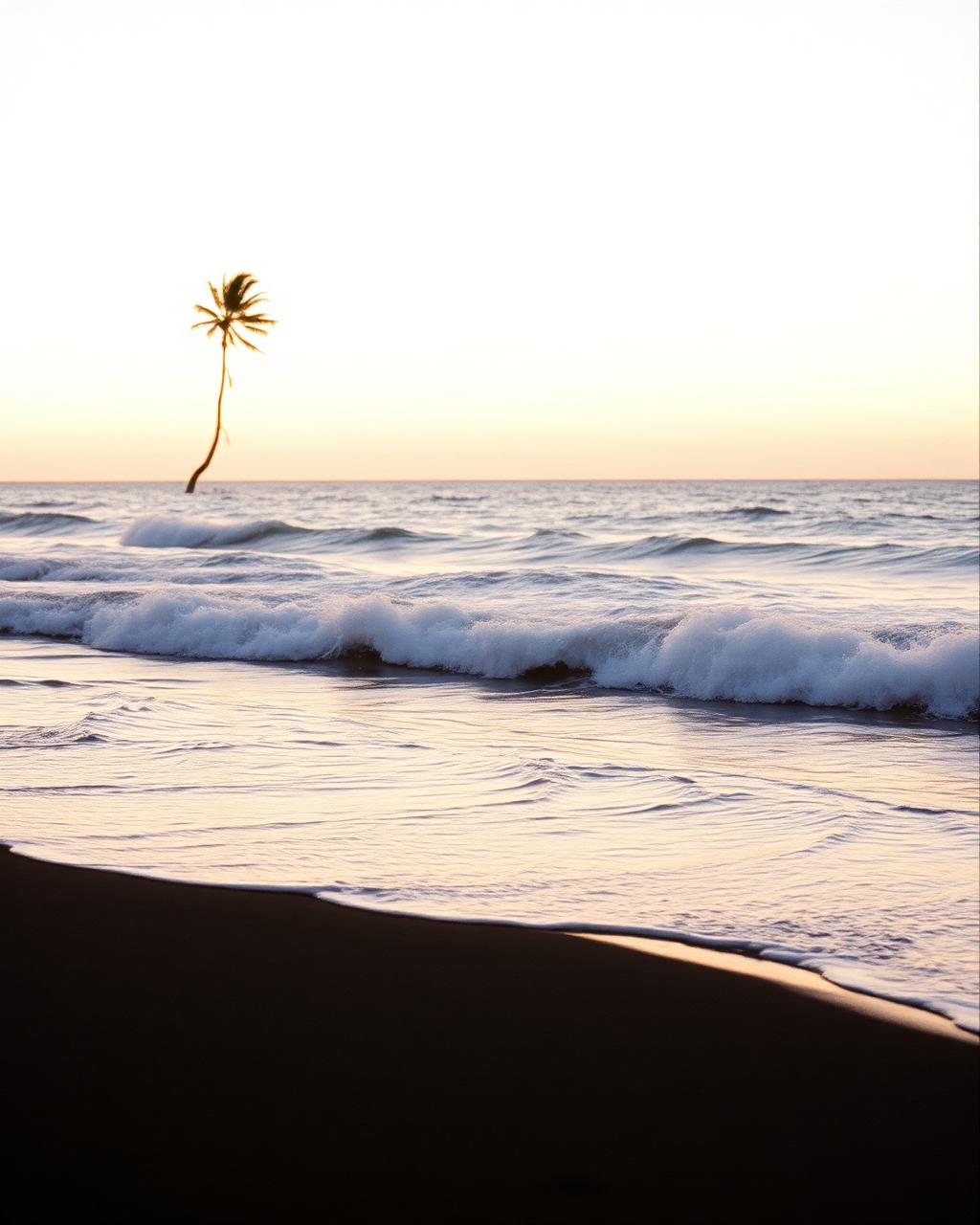
Miraflores is where most travelers begin, and for good reason. Perched on cliffs overlooking the Pacific, it offers a sophisticated introduction to Lima's modern face. The Malecón, a beautiful coastal walkway, stretches for miles, offering views of paragliders drifting over the gray-green sea. The parks are manicured, the restaurants are world-class, and the shopping is excellent. It's easy to spend days here and feel you've seen Lima. But Miraflores, for all its polish, is just the prologue.
My days in Miraflores were spent at Huaca Pucllana, an ancient pre-Inca pyramid that sits almost incongruously amidst modern apartment buildings and restaurants. To dine at the restaurant adjacent to the illuminated ruins at night, watching the ancient adobe glow gold under spotlights while you eat contemporary Peruvian cuisine — it's a juxtaposition that perfectly encapsulates Lima's relationship with its own history. It's not hidden. It's not cordoned off. It's simply there, woven into the fabric of daily life.
Barranco, just south of Miraflores, is where my heart truly anchored. This is Lima's bohemian quarter, a neighborhood of crumbling colonial mansions painted in faded pastels, street art that rivals any gallery, and a nightlife that pulses with live music and spoken word. Walking through Barranco felt like stepping into a living poem. The Bridge of Sighs, a narrow wooden bridge spanning a small gorge, is postcard-famous, but it's the streets around it — the tiny galleries, the cafes where artists argue over coffee, the sound of a cajón drum drifting from an open window — that make Barranco unforgettable.
It was in Barranco that I found a small restaurant, tucked down a side street, where the chef served a tasting menu built entirely around indigenous Peruvian ingredients, many of which I'd never encountered. Purple corn, lucuma, huacatay. Each dish was a revelation, a quiet insistence that Peru's culinary genius doesn't begin and end with ceviche. It begins with the land itself, with the astonishing biodiversity of a country that spans desert, mountains, and jungle.
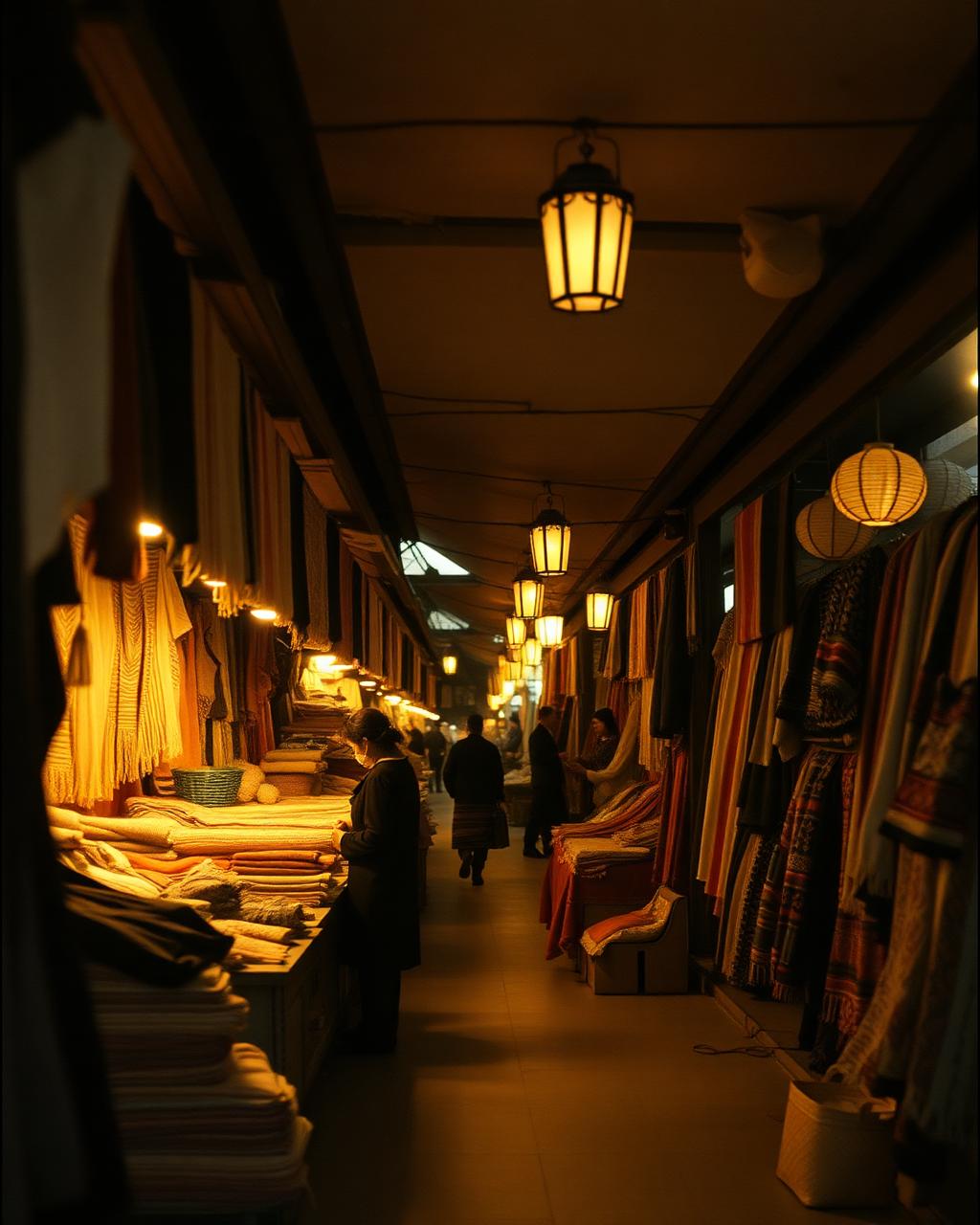
Surquillo Market was, in many ways, the most transformative stop. Markets, for me, are always the truest introduction to a city. This is where locals shop, where the rhythms of daily life are laid bare. The stacks of unfamiliar fruits, the butchers with their precise cuts, the women selling fresh juices from pushcarts — it was overwhelming in the best possible way. I bought chirimoya, a custard apple so creamy it tasted like vanilla pudding, and ate it standing by a pillar, juice running down my wrist. That moment, more than any restaurant meal, told me who Lima was.
Beyond the Coast: A Glimpse of the Sacred
While Lima was my primary anchor, Peru's pull extends far beyond its capital. The Sacred Valley and Cusco, though I didn't spend as long there as I would have liked, offered a stark and humbling contrast to Lima's cosmopolitan energy. The shift from sea-level to over 11,000 feet is not just physical; it's spiritual.
Cusco, the former capital of the Inca Empire, wears its history with a kind of quiet grandeur. The colonial churches are built directly on top of Inca foundations, their massive, precisely cut stones visible at the base of Spanish architecture. It's a visual representation of conquest and resilience that I found both beautiful and deeply unsettling. As a Black woman who carries her own complex relationship with history, standing before those foundations and understanding what was built upon them — and what endured beneath — resonated in ways that went far beyond tourism.
The altitude requires respect. I learned this quickly. The locals recommend coca tea, and they are right. The air is thin, the sun is fierce, and the landscape is so vast and dramatic it can feel almost hallucinatory. My time in the Sacred Valley was brief, a reminder that Peru is a country that demands return visits, each one peeling back another layer of understanding.
The Interpretive Layer: Food as Identity
What makes Peru — and Lima specifically — stand apart for me is how its culinary culture mirrors the complexity of identity itself. Peruvian cuisine is a fusion, but not in the diluted, corporate sense that word often implies. It's a fusion born of collision: Inca, Spanish, African, Chinese, Japanese. Each wave of migration brought ingredients, techniques, and traditions that were absorbed, transformed, and made distinctly Peruvian.
Lomo saltado, a stir-fry of beef, tomatoes, onions, and french fries served over rice, is perhaps the most vivid example. It's Chinese technique applied to local ingredients, served with both rice and potatoes — a dish that makes no attempt to choose between its influences but instead celebrates all of them on a single plate. For someone whose own identity is layered and complex — adopted, Black, American, a woman building a career on the premise that travel should have meaning — this philosophy of integration without erasure felt profoundly familiar.
Peru doesn't ask you to simplify it. It doesn't offer a single narrative or a convenient label. It is indigenous and colonial. It is coastal and Andean. It is ancient and utterly modern. To travel here with intention is to practice the art of holding contradictions, of finding beauty not in resolution but in the richness of the layers themselves.
Practical Wisdom: Navigating Lima with Intention
For those considering Lima, here is what my experience, both personal and professional, has taught me:
When to go: Lima's summer (December through March) brings warmer weather and sunshine, though the city's coastal fog, the garúa, can linger. I visited in autumn, and the cooler temperatures were ideal for walking the city extensively. The shoulder seasons offer the best balance of comfortable weather and fewer crowds.
What to eat first: Ceviche, obviously, but do it at a local cevichería, not a hotel restaurant. Ask your accommodation for a recommendation. Then explore the markets. Surquillo is my top pick, but any neighborhood market will offer an authentic window into daily life. Don't miss anticuchos — marinated beef heart skewers, typically sold by street vendors in the evening. They are smoky, tender, and a quintessential Lima experience.
How to pace: Lima rewards slowness. Don't try to "see everything." Pick two or three neighborhoods — I'd suggest Miraflores for the coastal views and Huaca Pucllana, Barranco for the soul, and a market visit for the grounding reality. If you have a full week, add Cusco and the Sacred Valley, but build in rest days for altitude adjustment. This is not a city for checklists.
Getting around: Taxis and ride-hailing apps are the most practical way to navigate. Lima's traffic is significant, so factor in extra time for cross-city trips. Walking within neighborhoods is delightful, but distances between them can be deceptive.
As your advisor, I'd tell you: Lima is not a stopover on the way to Machu Picchu. It is a destination in itself, one of the great food cities of the world, and it deserves a minimum of four nights. If you're only doing Peru for the ruins, you're missing the most nourishing part.
The Space Between Hunger and Belonging
I left Lima carrying something I hadn't expected: a specific kind of fullness. Not the comfortable satiety of a well-fed tourist, but the deeper fullness that comes from being genuinely moved by a place. Lima fed me, in every sense. It fed my curiosity, my palate, my understanding of how history lives in food, how identity can be served on a plate, and how a city can be both ancient and urgently alive.
As a travel advisor, I've sent clients to hundreds of destinations. Some are for relaxation. Some are for adventure. Peru, and Lima in particular, is for those moments when you want travel to change you — not dramatically, not in a way that makes a good Instagram caption, but in the quiet, internal way that shifts how you see the world and your own place in it. It's for the traveler who is willing to sit with complexity, to taste something unfamiliar, and to let a city teach them something they didn't know they needed to learn.
The space between hunger and belonging, I've found, is where the best travel happens. It's the space where you are open enough to receive, curious enough to seek, and present enough to let a place imprint itself on you. Lima lives in that space. And if you're willing to go there — truly go there, beyond the itinerary and into the experience — it will meet you with a generosity that is, quite simply, unforgettable.