Mexico Didn't Ask for My Expectations — And That Was the Point
Everything I thought I knew about Mexico came from other people's fear. The country itself had no interest in confirming any of it.
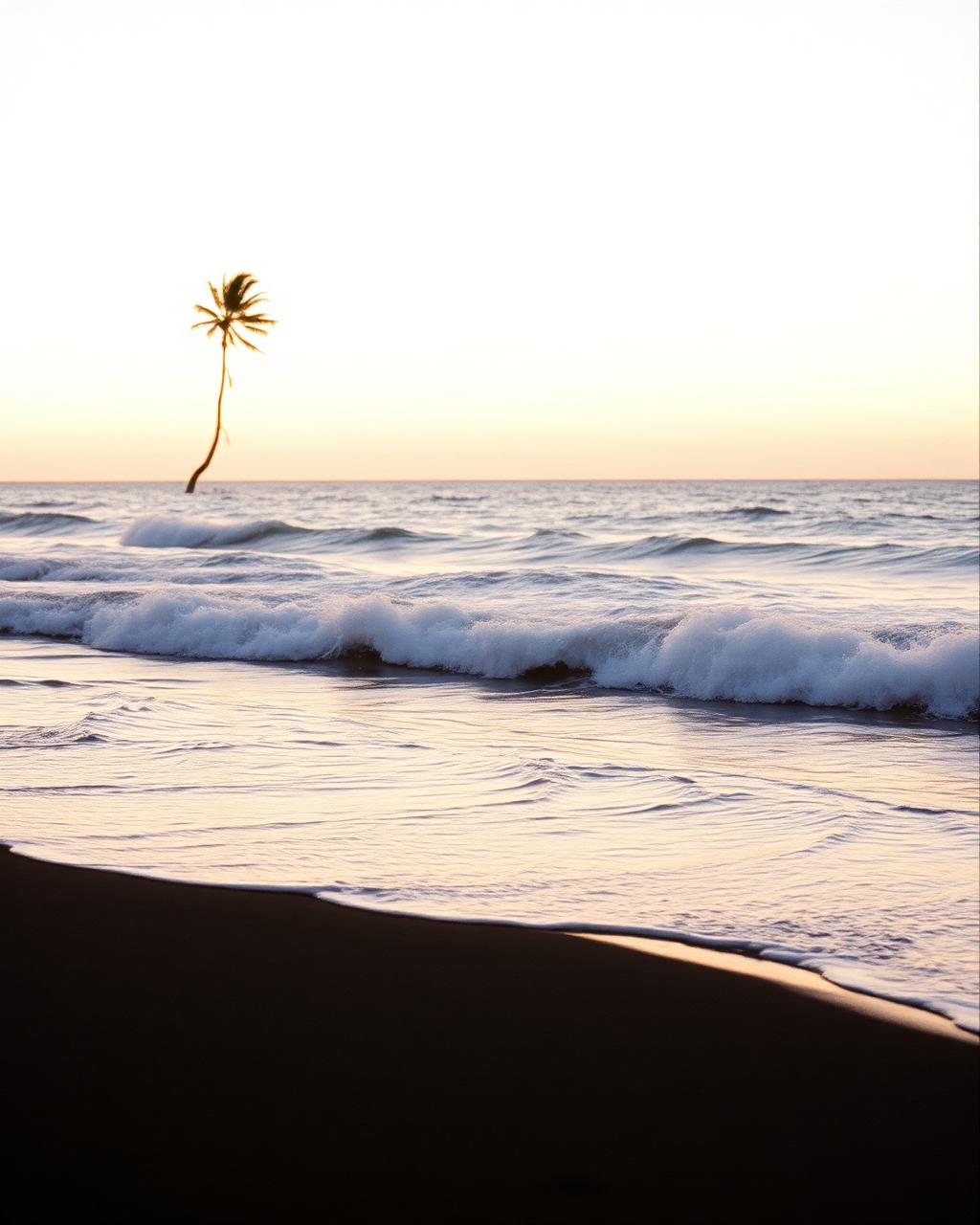
The oppressive humidity hit me first, a thick, living thing that wrapped around my skin the moment I stepped off the plane. It was May 2014, and after a direct flight from Atlanta to Cancún, I was ready for… well, I wasn't entirely sure what I was ready for. The air, heavy with the scent of something floral and something vaguely industrial, was a stark contrast to the air-conditioned cabin of the Delta flight I'd just disembarked.
Those expectations were a patchwork quilt sewn from disparate threads: glossy resort advertisements, news reports of cartel violence, enthusiastic recommendations from friends who'd only ever experienced all-inclusive resorts, and the subtle, insidious whispers of American media. I envisioned sun-drenched beaches, yes, but also a latent sense of danger. As a Black woman traveling abroad, this added another layer — an awareness of potential beauty coupled with a hyper-awareness of how my presence might be perceived. I didn't articulate it then, but a part of me expected Mexico to justify some of these narratives. What I found was a country that simply existed, vibrant and complex, utterly indifferent to my pre-conceived notions.
Beyond the Resort Walls: Finding the Heart of the Yucatán
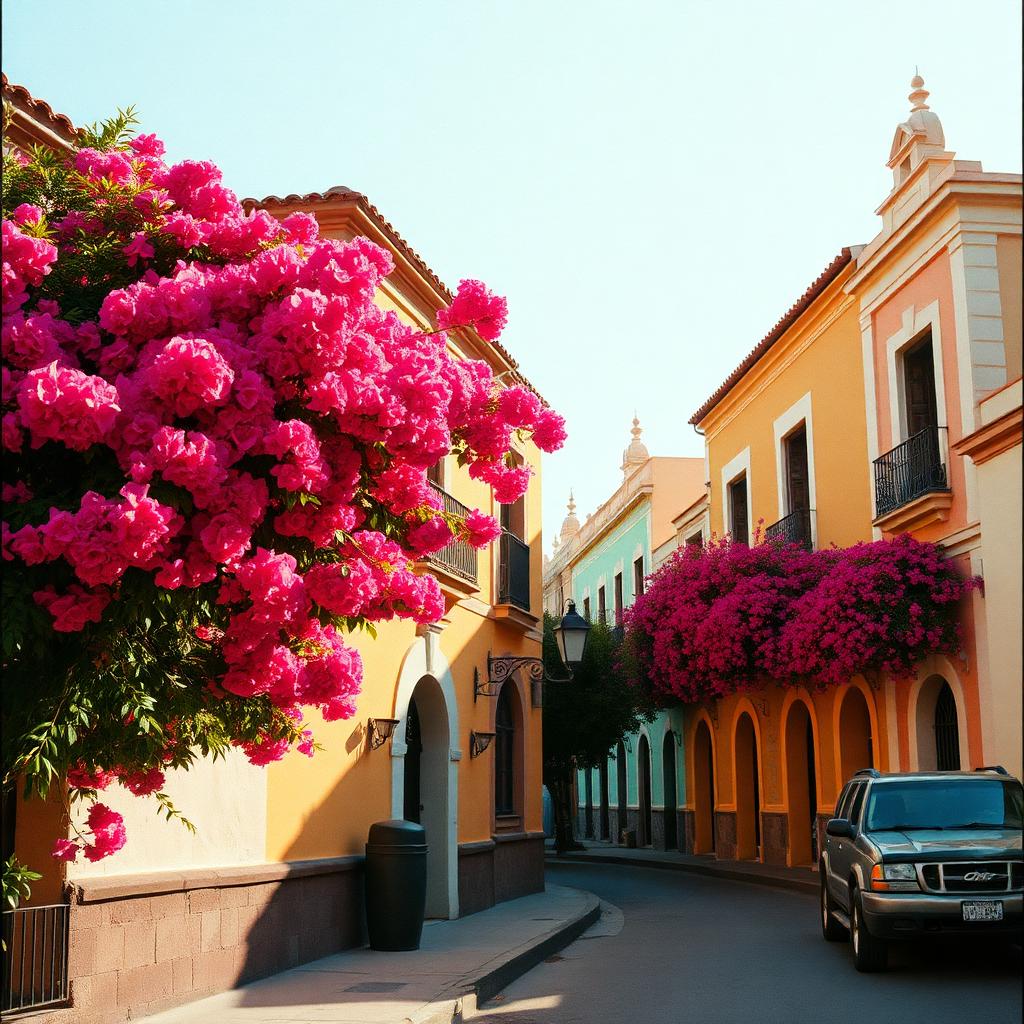
My base was Cancún, but my travel style even then leaned towards exploration beyond the manicured resort zone. I remember long, scorching bus rides winding through dense jungle. On one trip to Valladolid, a colonial city about two hours inland, I discovered a different rhythm. Pastel-colored buildings lined cobblestone streets. The central plaza was alive with families, children chasing pigeons, vendors selling marquesitas — crispy crepes rolled with cheese and sweet fillings.
The food was paramount. Forget the sanitized versions of Mexican cuisine I'd known back home. In Valladolid, I savored cochinita pibil — slow-roasted pork marinated in sour orange and achiote, served in handmade tortillas with pickled red onions. The flavors were deep, earthy, transcendent. I ate at a fonda, a small family-run restaurant, where the matriarch patiently watched me struggle with my rudimentary Spanish, offering a warm smile when I finally managed to convey my appreciation.
I visited Chichen Itza and was awestruck by the sheer scale of the Mayan civilization. But it was the smaller moments that resonated: swimming in a cenote, the cool fresh water a balm against the Yucatecan heat; bargaining for handmade pottery in a small market; the pervasive scent of burning copal resin in a small church, a blend of indigenous spirituality and Catholicism that felt uniquely Mexican.
Addressing the Elephant in the Room
As a travel advisor, and having spent years working at Delta, I've heard this question more times than I can count: "Is it safe to travel to Mexico?" It's a valid question, rooted in genuine concern. But what I've learned is that "safety" is not a monolithic concept, nor is it exclusive to any one nation. The media often thrives on sensationalism, painting entire countries with a broad brushstroke of danger, particularly when those countries are not Western European.
We must acknowledge that parts of Mexico face significant challenges, particularly related to cartel violence. These are realities that cannot be dismissed. However, to equate these localized issues with the entirety of a vast, diverse, and immensely welcoming nation of over 120 million people is misleading and unjust.
When I traveled in 2014, those narratives were already prevalent. As a Black woman, an added layer was how race might factor into my safety and comfort. What I actually encountered was genuine warmth and curiosity from most people. There were moments of being stared at, certainly, but more often than not, it was followed by a smile, an offer of assistance, or a friendly question.
My experience taught me that responsible travel isn't about avoiding places entirely due to generalized fear, but about understanding actual risks, taking common-sense precautions, and engaging with an open mind and respect.
Practical Wisdom for Navigating Mexico
First, acknowledge its sheer scale and diversity. The Yucatán Peninsula is vastly different from Oaxaca, which is different from Mexico City, which is different from the Pacific coast. Research your specific destination thoroughly.
Prioritize reputable transportation. In tourist areas, stick to official taxis, ride-sharing apps, or pre-arranged transfers. For longer distances, first-class buses are incredibly comfortable, affordable, and safe.
Most importantly, engage respectfully. Mexico is a country with ancient traditions, deep faith, and immense pride. Be patient. Don't be afraid to try street food — look for stalls with long lines of locals. Support local businesses, artists, and artisans. Your tourist dollars have a significant impact, and directing them responsibly is a form of respect.
A Broader Understanding
My trip to Mexico in 2014 was pivotal. It fundamentally reshaped how I thought about fear, perception, and the responsibility of the traveler. The Mexico I encountered was vibrant, chaotic, deeply spiritual, and richly layered — a place where ancient civilizations met modern life, where bustling markets pulsed with energy, and where the hospitality of strangers was overwhelming.
I realized that the "safety" I'd been seeking wasn't just about avoiding physical harm, but about being safe from the narrative of fear, safe from the limitations of my own untested assumptions. Mexico showed me that. It challenged me to look beyond the headlines, to engage directly with people, to taste food cooked with generations of love, and to walk streets that hummed with stories older than my own country.
True safety in travel isn't found in barricading yourself within a resort, or in letting hyperbolic media narratives dictate your adventures. It's found in preparation, common sense, and most powerfully, in an open heart and a willingness to simply experience a place on its own terms. Mexico didn't ask for my expectations. And in refusing to perform for them, it gave me something far more valuable: the truth.