The Amalfi Coast, Decoded: What I Learned Planning the Trip I Thought I Already Understood
I first rounded the SS163's hairpin turns in the fall of 2022, and the coastline reorganized my priorities. This is the guide I wish I'd had — town by town, season by season, with the operational insight of someone who's booked it for dozens of clients since.
The First Glimpse That Changes Everything
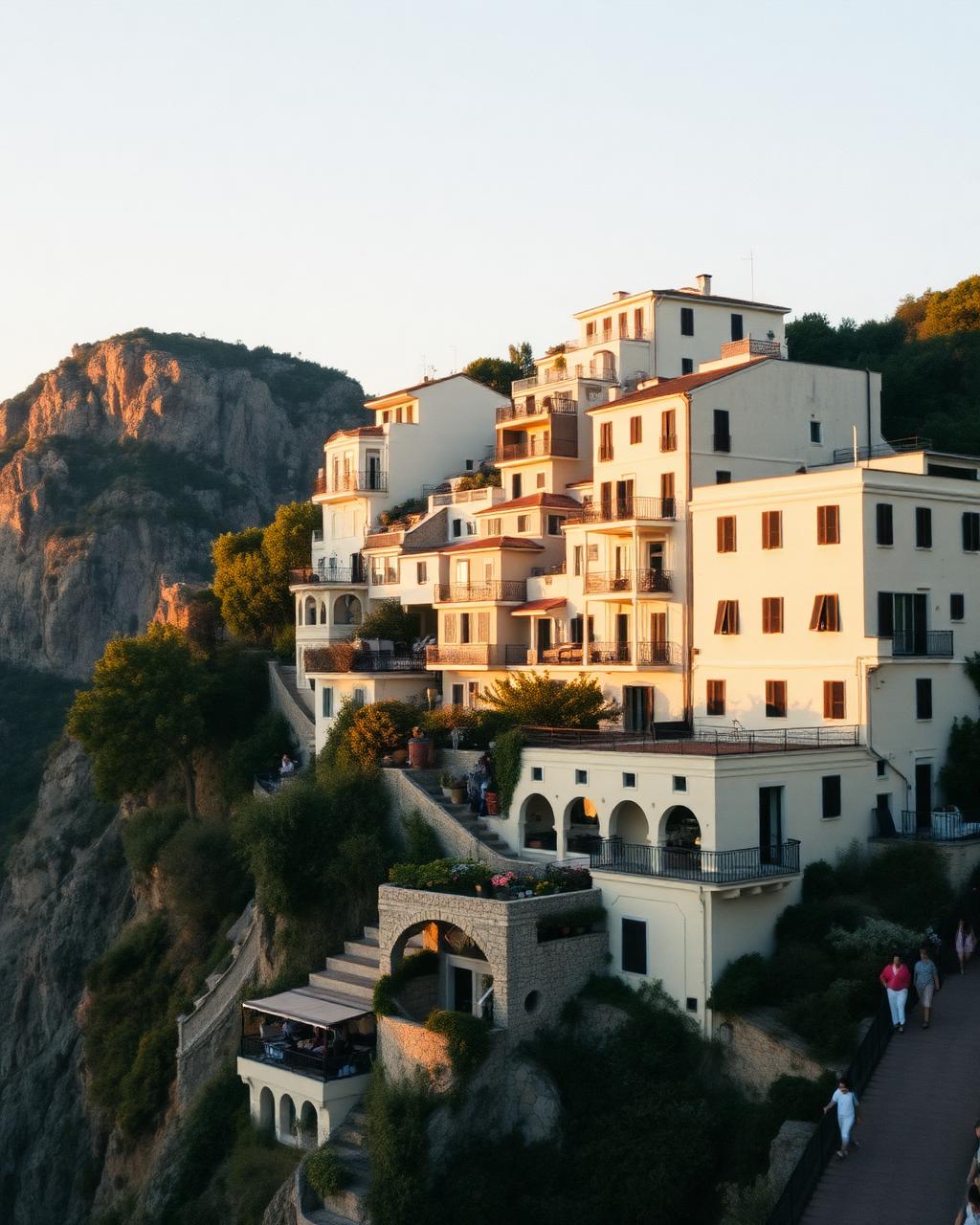
There is a moment on the Amalfi Coast that no photograph, no Instagram reel, no travel documentary can prepare you for. It happens when your car — or more likely, your white-knuckled taxi — rounds one of the SS163's impossible hairpin turns, and the entire coastline reveals itself in a single, staggering sweep. Pastel villages cling to vertical cliffs like they were painted there by someone who refused to believe in gravity. The Mediterranean stretches out below in gradients of blue that don't exist anywhere else on Earth. And the air smells like lemons.
I first experienced this in the fall of 2022, during a trip through southern Italy that fundamentally changed how I think about destination planning. The Amalfi Coast isn't just a place you visit. It's a place that reorganizes your priorities. And getting it right — really right — requires more than booking the first boutique hotel that pops up on a search engine.
This is the guide I wish I'd had.
When to Visit: The Season Strategy
The sweet spots are April through mid-June and mid-September through October. This isn't just about avoiding crowds (though you will). It's about experiencing an entirely different version of the coast.
Spring (April–May): Wildflowers carpet the hillsides. The water is still cool but swimmable by late May. Lemon groves are in full bloom — the fragrance is almost narcotic. Hotels are 30–40% cheaper than peak rates, and you can actually get a table at restaurants without a reservation.
Early Summer (June): The sweet spot before the real crush. Water temperatures are perfect. Everything is open. The famous beach clubs are lively but not sardine-packed.
Peak Summer (July–August): Honestly? I'd steer most clients away from these months. The SS163 becomes a parking lot. Positano's beaches shrink to standing-room-only. Hotel prices peak at €800–1,500/night for anything decent. The heat is relentless, and the magic gets diluted by sheer volume of humanity.
Fall (September–October): My personal favorite. The light turns golden and softer. Sea temperatures are at their warmest (having absorbed summer heat). The grape harvest and lemon festivals are in full swing. Locals exhale and become more generous with their time and their stories.
Winter (November–March): Many hotels and restaurants close entirely. But if you're the type who finds beauty in solitude, the coast in winter has a moody, cinematic quality that rewards the adventurous. Just know your options will be limited.
The Towns, Decoded: Where to Base Yourself
The Amalfi Coast isn't one destination — it's a string of villages, each with its own personality. Choosing the wrong base can shape (or sabotage) your entire trip. Here's an honest breakdown:
Positano: The Showstopper
Best for: First-timers, couples, photographers, anyone who wants the iconic Amalfi Coast experience.
Positano is the vertical village you've seen in every travel magazine. It cascades down the cliff in tiers of pink, peach, and terracotta, with the beach and the Church of Santa Maria Assunta anchoring the bottom. It is gorgeous. It is also steep — brutally steep. Every errand involves hundreds of steps. The glamour is real, but so is the sweat.
The shopping is the best on the coast: hand-painted ceramics, linen clothing, and leather sandals made while you wait. The nightlife, by Amalfi Coast standards, actually exists here — a handful of bars stay open past midnight. But Positano runs hot on tourism. In peak season, it can feel like you're visiting a very beautiful theme park.

Amalfi Town: The Historic Anchor
Best for: History lovers, families, those who want flat(ish) walking and good ferry connections.
The town of Amalfi itself was once one of the most powerful maritime republics in Italy, and the Cathedral of Saint Andrew — with its striped Byzantine facade and 62-step staircase — still anchors the main piazza with genuine grandeur. The town is more accessible than Positano (meaning: fewer vertical climbs to get to your hotel), and it serves as the main ferry hub for the coast.
Amalfi is also the gateway to the Valle delle Ferriere, a nature reserve with waterfalls and rare ferns that feels worlds away from the coastal crowds. It's less photogenic than Positano but more livable.
Ravello: The Elevated Escape
Best for: Honeymooners, music lovers, writers, anyone who craves quiet sophistication.
Ravello sits 1,000 feet above the coast, and the shift in energy is immediate. Where Positano buzzes, Ravello whispers. The town is famous for two things: Villa Cimbrone's Terrace of Infinity (a marble-balustrade overlook that Gore Vidal called "the most beautiful view in the world") and the Ravello Festival, a summer-long celebration of classical music held in gardens overlooking the sea.
There's no beach access — you'll need to descend to Amalfi or Minori for that. But Ravello trades sand for serenity. The restaurants are quieter, the gardens are world-class, and the sunsets from this altitude are transcendent.

Praiano: The Local's Secret
Best for: Couples seeking romance without crowds, adults-only retreats, sunset obsessives.
Praiano is the town that travel insiders recommend when asked "where would you stay?" It sits between Positano and Amalfi with west-facing views that make it the coast's undisputed sunset champion. The beaches are smaller and harder to reach (Spiaggia della Gavitella requires a staircase descent), but that's precisely the point. The nightclub Africana, carved into a sea cave, is one of the most unique nights out in Italy.
Atrani: The Hidden Gem
Best for: Budget-conscious travelers, authenticity seekers, those who want to feel like a local.
Atrani is the smallest municipality in southern Italy, and it's one of the few towns on the coast that still feels genuinely Italian rather than tourist-engineered. It's a two-minute walk from Amalfi town but feels like a different world — a tight cluster of whitewashed houses around a tiny piazza and a beach that locals actually use. Prices here are 20–30% lower than neighboring towns.
Minori & Maiori: The Family-Friendly Options
Best for: Families with children, travelers who want wider beaches and a less hectic pace.
These sister towns have the widest beaches on the coast, which makes them natural choices for families. Minori is also the culinary heart of the Amalfi Coast — it hosts an annual pasta festival and has some of the region's best casual restaurants. Less glamorous? Yes. More comfortable with kids in tow? Absolutely.
Where to Stay: Curated Picks at Every Price Point
Luxury (€500–1,500+/night)
- Le Sirenuse, Positano — The gold standard. A family-owned palazzo with hand-painted tiles, a Michelin-starred restaurant, and a pool terrace that feels like floating above the sea. Book the Aldo Sessa Suite for the most photographed view on the coast.
- Palazzo Avino, Ravello — A 12th-century palazzo turned five-star hotel with one of the coast's only heated infinity pools. Their Lobster & Martini Bar, set on a cliff-edge platform, is an experience unto itself.
- Casa Angelina, Praiano — The coast's most contemporary design hotel. All-white interiors, minimalist aesthetic, glass-floored terrace. A deliberate contrast to the traditional Mediterranean style elsewhere.
Mid-Range (€200–500/night)
- Hotel Marincanto, Positano — Incredible views at half the Le Sirenuse price. The breakfast terrace alone justifies the stay.
- Hotel Santa Caterina, Amalfi — A historic property with a glass elevator carved into the cliff that descends to a private beach club. Feels luxury but prices mid-range in shoulder season.
- Parco dei Principi, Sorrento — Technically outside the Amalfi Coast proper, but Gio Ponti's mid-century masterpiece — with its 30+ shades of blue tile — is a design pilgrimage. And Sorrento makes an excellent base for day-tripping the coast.
Budget-Friendly (€80–200/night)
- Hotel Lidomare, Amalfi — A family-run gem with antique furniture, sea views, and rates that feel like a pricing error.
- B&B accommodations in Atrani — Several excellent options at genuinely affordable prices, minutes from Amalfi town on foot.
What to Eat: A Region That Takes Food Personally
The Amalfi Coast takes its lemons as seriously as Bordeaux takes its grapes. The local sfusato amalfitano lemon — enormous, thick-skinned, and almost sweet enough to eat like fruit — shows up in everything: pasta sauces, desserts, liqueurs, and the region's soul, limoncello.
The Essential Dishes
- Scialatielli ai frutti di mare — Fresh hand-rolled pasta with mixed seafood, invented on this coast
- Delizia al limone — A lemon sponge cake with lemon cream that's the coast's signature dessert
- Colatura di alici — Anchovy extract from Cetara, the coast's answer to fish sauce, drizzled on spaghetti
- Sfogliatella — Flaky pastry filled with ricotta and candied citrus (the Amalfi version is looser than Naples')
- Frittura di paranza — Mixed fried small fish, eaten whole, best at beachside restaurants
Where to Eat
- Il Buco, Sorrento — One Michelin star, set in a former monastery. Chef Franco Aversa's tasting menu is southern Italian cuisine elevated to art. Reserve weeks in advance.
- Ristorante Da Adolfo, Positano — Accessible only by boat (they send a shuttle from Positano's main beach). Grilled fish on lemon leaves, feet in the sand. This is the Amalfi Coast at its most essential.
- Sal De Riso, Minori — The coast's most famous pastry chef. His delizia al limone is the benchmark. Get there by 9am or accept that the best items will be sold out.
- Lo Smeraldino, Amalfi — Waterfront, unpretentious, and serving some of the best fried seafood on the coast.
- Cumpa' Cosimo, Ravello — A family-run trattoria that's been feeding Ravello since 1929. The seven-course tasting of local pastas is legendary.
Must-Do Experiences
The Path of the Gods (Sentiero degli Dei)
This 7.8-kilometer cliffside trail from Agerola to Nocelle is, without exaggeration, one of the most beautiful hikes in Europe. The path traces the upper ridgeline of the coast at 500+ meters above sea level, with views that make you understand why the ancients named it for the gods. Practical notes: Start from Agerola (the downhill direction). Wear proper shoes — not sandals. Bring 2 liters of water. Allow 3–4 hours. The trail ends in Nocelle, where you can take a bus or the 1,700-step staircase down to Positano.

Private Boat Tour
Seeing the coast from the water is non-negotiable. The cliffs, grottos, and hidden beaches that are invisible from the road reveal themselves from a boat. A half-day private tour from Amalfi or Positano (typically €400–700 for a small group) will cover the Emerald Grotto, the Faraglioni of Capri, and several swimming stops in coves you can't reach on foot.
Villa Cimbrone Gardens, Ravello
Even if you're not staying in Ravello, make the trip up for these gardens alone. The Terrace of Infinity — a marble walkway lined with 18th-century busts overlooking the entire coast — is the kind of place that makes you reconsider your life choices in the best possible way. Arrive early morning or late afternoon to avoid tour groups.
Ceramic Workshops in Vietri sul Mare
Vietri sul Mare, at the eastern end of the coast, is the ceramic capital of southern Italy. Several family workshops offer hands-on experiences where you can paint your own tile in the traditional Vietri style (bold yellows, blues, and greens with folkloric motifs). It's one of the few truly artisan experiences left on the coast.
Farm Cooking Classes
Several agriturismi in the hills above the coast offer cooking classes using ingredients grown on-site. You'll typically make fresh pasta, a lemon-based dessert, and limoncello, then eat everything you've made on a terrace overlooking the sea. These book out weeks in advance — plan ahead.
Getting Around: The Honest Truth
Don't Rent a Car
I say this emphatically. The SS163 — the single road connecting every town on the coast — is a two-lane ribbon carved into sheer cliffs, with buses, scooters, and pedestrians all competing for space. Parking is virtually nonexistent in most towns, and where it exists, it's €5–8/hour. A car on the Amalfi Coast is a liability, not a convenience.
SITA Buses
The public SITA bus system connects all major towns and costs €2–3 per ride. Buses run every 30–60 minutes in season. The experience itself is an adventure — these full-sized coaches navigate turns that seem physically impossible. Sit on the seaward side for the views, and hold on.
Ferries
The fastest and most scenic way to move between towns. Travelmar and NLG operate regular ferry services between Salerno, Amalfi, Positano, and Capri from April through October. A Salerno-to-Positano ticket is around €12–15.
Private Drivers
For airport transfers or day trips, a private driver is worth the splurge (€100–200 depending on the route). They know the road intimately and will point out stops you'd never find on your own.
Budget Reality Check
Mid-Range Daily Budget: €200–350 per person
- Accommodation: €120–180/night (split between two)
- Meals: €60–100 (lunch at a casual spot, dinner at a mid-range restaurant)
- Transport: €15–30 (buses and ferries)
- Activities: €20–50
Luxury Daily Budget: €500–900+ per person
- Accommodation: €300–600/night (split between two)
- Meals: €150–250 (lunch at a beach club, dinner at a starred restaurant)
- Transport: €50–100 (private boat, taxi)
- Activities: €50–100
Money-saving insight: Eating lunch as your main meal saves significantly. Many restaurants offer the same quality at lunch for 30–40% less than dinner prices. And the €3 lemon granita from a street vendor is often more satisfying than a €15 hotel dessert.
Packing & Practical Tips
- Shoes are everything. You will walk hundreds of steps daily. Bring comfortable, supportive shoes with good grip — not fashion sneakers, not flip-flops. Cobblestones and worn marble steps are slippery.
- Layers for evenings. Even in summer, hilltop towns like Ravello cool down after sunset. A light jacket or wrap is essential.
- Cash matters. Many smaller restaurants, shops, and beach vendors are cash-only. ATMs exist but can charge fees. Carry €50–100 in small bills daily.
- Learn five phrases. "Buongiorno," "grazie," "per favore," "il conto" (the check), and "posso avere una tavola fuori?" (can I have a table outside?) will transform how locals treat you.
- Sunscreen and a hat. The reflection off the water and white buildings amplifies UV exposure. You will burn faster than you expect.
- A dry bag. If you're doing boat tours or beach hopping, a waterproof bag for your phone and valuables is essential.
The Final Thought: Why the Coast Rewards Slowness
The biggest mistake I see travelers make on the Amalfi Coast is trying to do too much. They book three nights and attempt to hit every town, every restaurant, every viewpoint. They end up spending more time on buses and in traffic than they do actually experiencing anything.
The Amalfi Coast is not a checklist destination. It's a place that reveals itself in the quiet moments — the unexpected conversation with a ceramicist in Vietri, the perfect granita discovered in a back alley in Atrani, the sunset from a Praiano terrace that makes you forget to take a photo because you're too busy feeling it.
My advice? Pick one or two towns. Stay longer than you think you need. Walk the streets at different hours of the day and notice how the light changes. Accept that you won't see everything — and understand that that's the point.
The Amalfi Coast has survived centuries of empires, eruptions, and overtourism because the cliffs themselves enforce a kind of natural slowness. The roads are narrow. The steps are steep. The best restaurants don't take reservations. Everything here conspires to make you stop rushing.
Let it.
Ariana visited the Amalfi Coast and southern Italy in 2022. For personalized Amalfi Coast trip planning, including hotel selection, restaurant reservations, and custom itinerary design, reach out for a consultation.