Traveling as a Black Woman in 2026: Where I Feel Safest (and Where I Don't)
In Kyoto, an elderly woman paused her bicycle to help me find a temple. On a late-night train through central Europe, a group of men made me feel like an unwanted presence. Both experiences shaped my safety framework.
Traveling as a Black Woman in 2026: Where I Feel Safest (and Where I Don't)
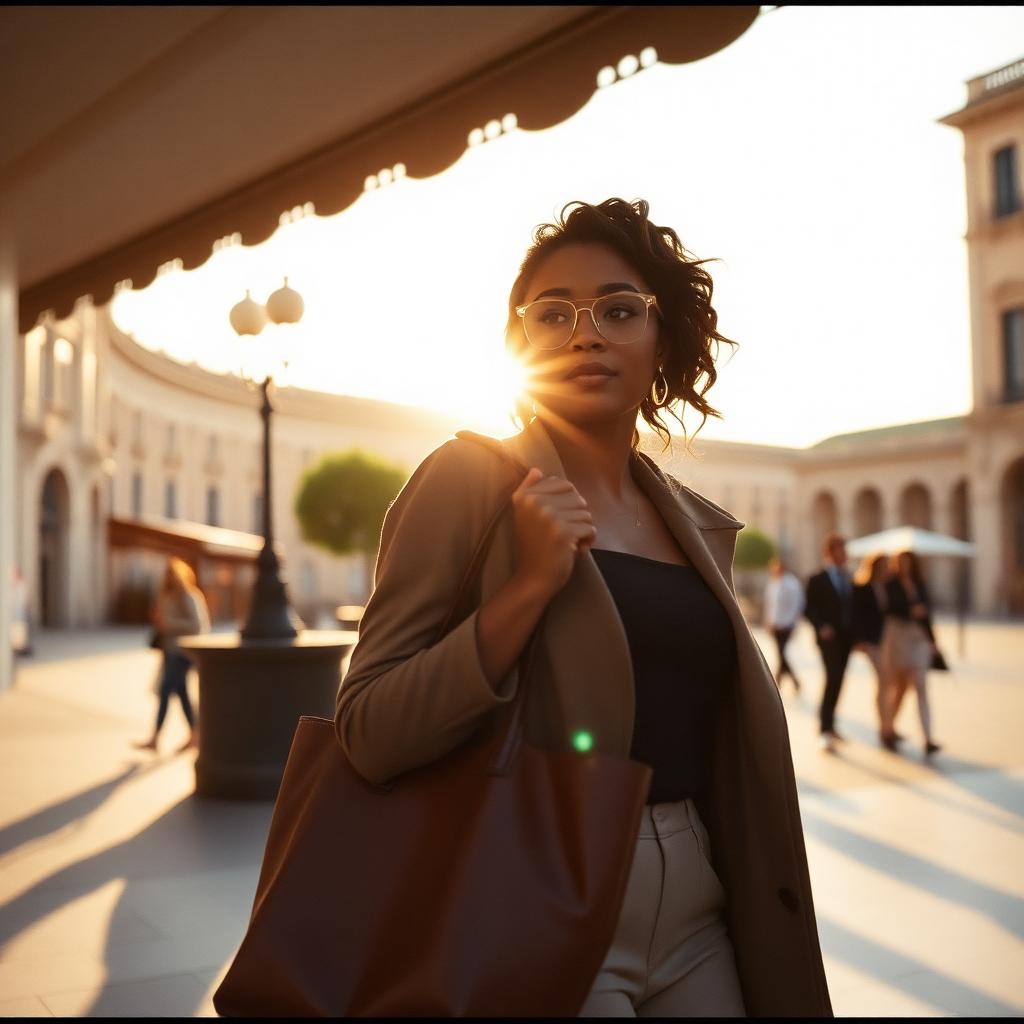
The late afternoon sun in Kyoto filtered through cherry blossom branches, painting dappled patterns across the pavement. I was lost, pleasantly so. An older woman paused beside her bicycle, a gentle smile gracing her lips. She spoke to me in melodic Japanese, her hands miming directions. Her eyes held no judgment, no presumption — just a genuine desire to assist a stranger. In that moment, utterly disoriented yet completely at ease, I felt profoundly seen. Not as a Black woman, not as an other, but simply as a human in need of a path.
Contrast that with a late-night train journey through a central European city. I woke to find myself the sole occupant of a carriage, save for a group of men whose challenging stares communicated volumes: intrusion, suspicion, casual disregard. I became hyper-aware, shrinking into my seat, every nerve ending screaming.
These two vignettes encapsulate my experience as a Black woman traveler. It is a tapestry woven with threads of exhilarating freedom and gnawing apprehension, profound connection and unsettling isolation.
Where I Feel Most Welcome
Japan. Beyond initial curiosity, there is an inherent respect for others, a deeply ingrained cultural ethos of politeness and hospitality. My physical difference has rarely translated into hostility. Instead, it is often met with eagerness to connect, genuine desire to understand, and meticulous attention to ensuring my comfort. The feeling is one of being an honored guest, not an interrogated outsider. The efficiency, cleanliness, and respect for tradition create a sense of order that, for a Black woman often navigating chaotic assumptions, feels incredibly grounding.
Portugal. Historical ties to Africa, though complex and often painful, have created a society with greater racial integration. I have found a striking ease there, a feeling that my presence is not questioned or scrutinized. Conversations with locals reveal a refreshing lack of racial anxiety, a willingness to engage with shared histories and a present-day acceptance that feels liberating.
Costa Rica. Pura Vida is not just a slogan; it is a way of life that permeates every interaction. The Afro-Caribbean roots on the Caribbean coast create an immediate sense of familiarity and belonging. I have never felt more comfortable blending in — not because I was invisible, but because my presence was simply part of the vibrant tapestry.
The Caribbean. The inherent familiarity, shared heritage, the understanding of Black culture — it is a homecoming. Your Blackness is not an anomaly but a fundamental part of the landscape, celebrated and understood. Here, safety is not just the absence of danger; it is the presence of belonging.
Where I Navigate More Carefully
Some destinations demand heightened vigilance. Parts of Eastern Europe, while culturally rich, have presented challenging moments — overt staring, thinly veiled prejudice, a general air of discomfort. In certain rural areas, the sight of a Black woman can be met with intense curiosity that is not always benign. This is not to say these regions are inherently dangerous, but they demand greater self-awareness.
Parts of rural North America present a paradox. The very country of my birth can sometimes be the most jarring. Ingrained historical prejudices, unspoken biases — a service denied, an unfriendly glance, an unnerving silence. These are not life-threatening, but they chip away at your sense of peace.
Safety vs. Comfort: The Critical Distinction
This is the core of every conversation I have with Black women clients. I do not offer a list of safe and unsafe countries, because safety is fluid and deeply personal. Instead, I equip them with a framework.
Microaggressions vs. genuine danger. A microaggression — a casual slight, an ignorant question, a dismissive glance — is infuriating and emotionally taxing. Genuine danger is a palpable threat to physical well-being. The challenge lies in distinguishing between the two. My advice: acknowledge microaggressions, process them, release them when possible. Their ignorance is not your burden to carry. But if those microaggressions shift into something more aggressive, that is when internal alarm bells should ring louder.
My Safety Framework
Hyper-awareness, not hyper-paranoia. Being aware of surroundings, understanding body language, listening to gut instincts. But not living in constant fear. It means dressing appropriately for cultural norms, avoiding overly secluded areas at night, and trusting your intuition. If a voice inside whispers no, listen.
Build your support network. Before stepping on a plane, share your itinerary with trusted people. Have local emergency contacts, embassy numbers, and research local Black expatriate communities. There is incredible strength in community.
Control your narrative. You are not a victim navigating a hostile world. You are a sovereign woman choosing to engage with the planet on your own terms. This mindset shift is powerful. Carry yourself with confidence, engage with curiosity, and refuse to let fear shrink your world.
The Preparation I Give Every Client
When I prepare Black women for travel, we cover practical ground that many travel advisors skip:
Research the racial landscape. Not just safety statistics, but cultural context. A country with low crime may still have prevalent racial bias. Understanding the difference helps you prepare emotionally.
Connect with the diaspora. In almost every major city, there are Black expatriate communities, social groups, and cultural organizations. Finding them before you arrive provides both practical support and emotional grounding.
Pack your confidence. This sounds abstract, but it is deeply practical. The way you carry yourself affects how you are received. Walk with purpose. Make eye contact. Smile first. These small acts of self-possession communicate that you belong — because you do.
Have exit strategies. Not because you will need them, but because knowing you have them reduces anxiety. Know how to get back to your hotel from anywhere. Keep emergency cash separate from your main wallet. Have your phone charged.
The Joy That Makes It All Worth It
Here is what the safety conversation often obscures: the overwhelming majority of my travel experiences as a Black woman have been extraordinary. The connections I have made, the kindness I have received, the beauty I have witnessed — these far outweigh the difficult moments.
Dancing with strangers in a Trinidad carnival. Being welcomed into a Japanese family's home for tea. Having a Portuguese grandmother insist on feeding me because I reminded her of her granddaughter. Being stopped in Accra by a woman who simply wanted to tell me my dress was beautiful.
These moments — spontaneous, generous, deeply human — are why I travel. They are why I encourage every Black woman who has ever hesitated to book that ticket, to step onto that plane, to walk into the unknown with her head held high.
The world is not always comfortable. But it is overwhelmingly beautiful. And you deserve to see every corner of it.
Your Blackness is not a liability on the road. It is a lens — one that allows you to see the world with a depth and nuance that enriches every destination you touch. Travel with awareness, yes. Travel with preparation, absolutely. But above all, travel with the unshakable knowledge that you belong everywhere your curiosity takes you.