Japan's New Golden Route: What's Changed for 2027 Travelers
A travel advisor who has visited Japan multiple times maps the evolving first-timer itinerary — from Kanazawa's samurai districts to Naoshima's art islands, and why the best Japan trip is slower than you think.
Japan's New Golden Route: What's Changed for 2027 Travelers
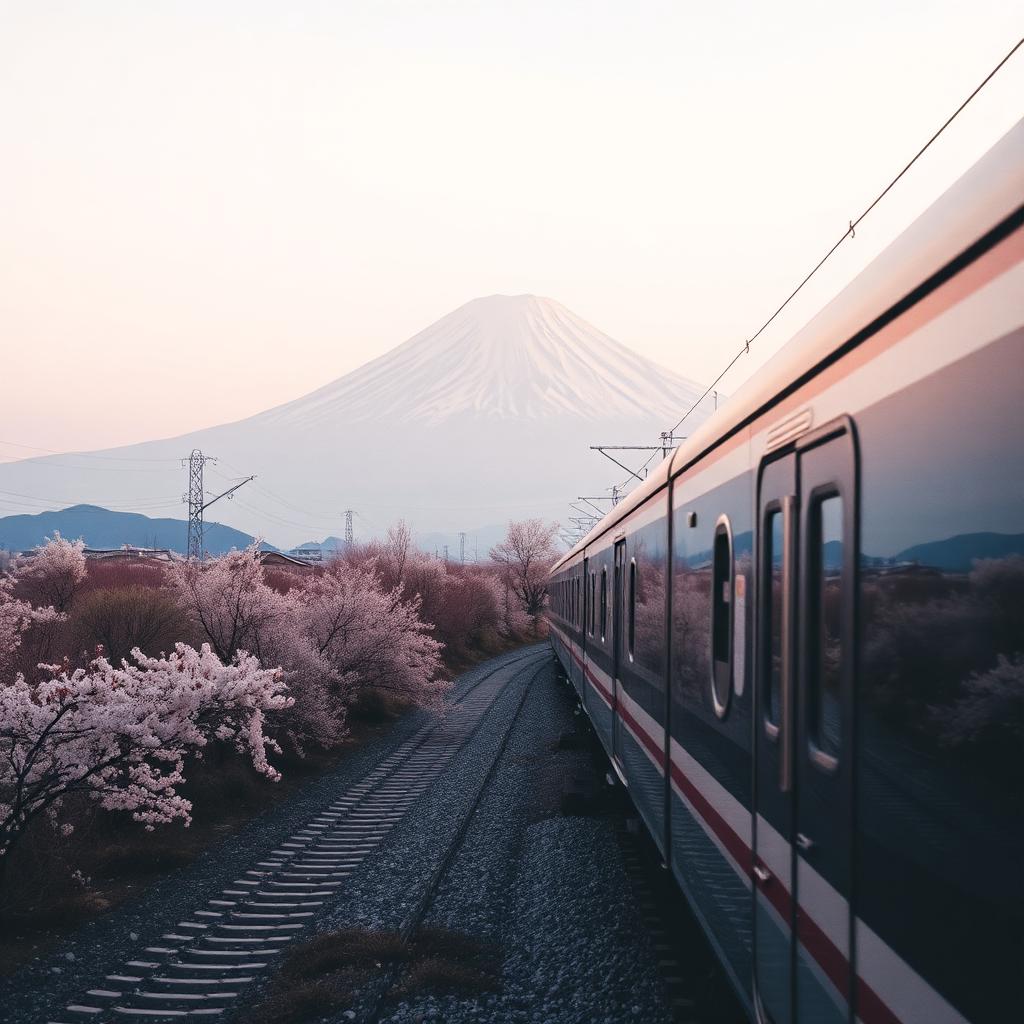
The Golden Route — Tokyo to Kyoto, with a stop at Mount Fuji — has been Japan's default itinerary for first-time visitors since the shinkansen made the journey effortless. And for decades, it earned that status. The Tokyo-Hakone-Kyoto corridor delivers a genuinely extraordinary introduction to Japan: the hypermodernity of Shinjuku, the volcanic landscapes of Fuji's foothills, the temple-garden perfection of Kyoto's eastern hills.
But Japan has changed. And the Golden Route, while still valid, is no longer the only — or even the best — way to experience the country for the first time.
I've visited Japan multiple times, most recently spending extended time in Tokyo, Kyoto, and the regions between them. What I've watched evolve isn't just the tourism infrastructure (though that's improved dramatically) — it's the depth of experience available to travelers willing to deviate from the established path. The new Golden Route isn't a single line from A to B. It's a web of possibilities that rewards curiosity over efficiency.
What's Actually Changed
The crowds have redistributed. Post-2024, Japan's tourism numbers have surged past pre-pandemic levels, but the government and tourism boards have invested heavily in "off-peak, off-path" initiatives. Campaigns promoting lesser-visited prefectures — Ishikawa, Tottori, Mie, Saga — have begun to work. New direct flights from US cities land not just in Tokyo and Osaka but in regional airports that put travelers closer to Japan's rural heartland.
The rail pass economics have shifted. The Japan Rail Pass price increase in 2023 initially discouraged some travelers, but it also prompted a more thoughtful approach to rail travel. Rather than rushing to maximize the pass's value by hitting every major city in seven days, travelers are slowing down — spending more time in fewer places, using regional passes that offer better value for focused itineraries.
Hotel inventory has expanded dramatically. New properties from Aman, Park Hyatt, and domestic luxury brands have opened in locations that previously had limited upscale accommodation. The ryokan (traditional inn) sector has reinvented itself — a new generation of proprietors is modernizing service and comfort while maintaining the kaiseki dining, onsen bathing, and tatami-room sleeping that make ryokan stays one of Japan's most distinctive cultural experiences.
Digital infrastructure for tourists is finally excellent. Translation apps work. IC cards function seamlessly across transit systems. English-language signage has expanded beyond Tokyo and Kyoto into regional areas. The friction that once made independent Japan travel daunting for non-Japanese speakers has largely dissolved.
The Route I'd Build Now
If I were designing a first-time Japan itinerary for 2027 — and I do this regularly for my advisory clients — it wouldn't follow the straight Tokyo-Kyoto line. It would look something like this:
Tokyo (3-4 nights): Still essential. But I'd structure the time differently than the standard itinerary. Day one: Meiji Shrine and Harajuku for the sacred-to-street contrast that defines Tokyo's personality. Day two: Tsukiji outer market for breakfast, TeamLab for sensory recalibration, Shibuya and Shinjuku at night. Day three: A full day in a single neighborhood — Yanaka for old Tokyo, Shimokitazawa for indie culture, or Koenji for vintage shopping and live music. The key is resisting the urge to check boxes and instead letting one neighborhood reveal itself fully.
Hakone or Kawaguchiko (1-2 nights): The Mount Fuji experience remains extraordinary, but I'd choose based on the traveler's priorities. Hakone for hot springs and art museums (the Open Air Museum remains one of Japan's best). Kawaguchiko for Fuji views and a quieter, more contemplative pace. Both are ninety minutes from Tokyo and feel like entering a different country.
Kanazawa (2 nights): This is the addition that transforms the itinerary. Kanazawa, on the Sea of Japan coast, was largely spared wartime bombing, which means its samurai and geisha districts survived intact. Kenrokuen Garden rivals any garden in Kyoto without the crowds. The 21st Century Museum of Contemporary Art is world-class. The Omicho Market is a seafood experience that makes Tsukiji look like a warm-up. And the city's gold-leaf craft tradition — visible everywhere from temples to ice cream — adds a visual vocabulary you won't find anywhere else in Japan.
Kyoto (3-4 nights): Still the spiritual and aesthetic heart of Japan. But the approach matters. Early mornings at Fushimi Inari (before 7 AM) and Arashiyama's bamboo grove (before 8 AM) transform these overcrowded landmarks into the transcendent experiences they were meant to be. The eastern Higashiyama walking path — Kiyomizu-dera to Ginkaku-ji — remains one of the finest urban walks in Asia. And the machiya (traditional townhouse) accommodations now available offer a way to live inside Kyoto's aesthetic rather than just observing it.
Osaka (2 nights): Kyoto's boisterous counterpart. Where Kyoto whispers, Osaka shouts — in the best possible way. Dotonbori at night is sensory overload elevated to art form. The street food (takoyaki, okonomiyaki, kushikatsu) is Japan's most democratic cuisine. And the city's personality — warm, direct, funny in a way that Japanese culture doesn't always reveal to outsiders — provides a necessary counterbalance to Kyoto's refinement.
The Deeper Options
For travelers on their second or third visit, or first-timers with three weeks instead of two, the new Golden Route extends into territory that most guidebooks still underserve:
The Kii Peninsula — home to the Kumano Kodo pilgrimage trails, ancient shrine complexes, and onsen towns nestled in forested mountains. This is spiritual Japan at its most profound, and the hiking is accessible enough for moderately fit travelers.
Naoshima and the Art Islands — Benesse Art Site's collection of site-specific installations on islands in the Seto Inland Sea represents one of the most ambitious art-and-architecture projects in the world. Tadao Ando's Chichu Art Museum, built into a hillside, houses Monet's water lilies in a space that makes every other museum feel like a compromise.
Tohoku — Japan's rural northeast, still recovering from 2011 and still breathtakingly beautiful. The Oirase Gorge stream walk, the hot springs of Nyuto Onsen, the Nebuta Festival in Aomori — this region offers the Japan that existed before tourism became an industry.
Okinawa — subtropical Japan, with its own distinct culture, cuisine, and history. The Ryukyu Kingdom's legacy, the coral reefs, the centenarian-rich communities of the Blue Zone — Okinawa is Japan's most surprising deviation from the mainland narrative.
What Hasn't Changed
For all the new routes and expanded infrastructure, the fundamental Japan experience remains intact: a culture that treats precision as a form of love, that finds beauty in impermanence, that manages to be simultaneously ancient and futuristic without experiencing that as a contradiction.
The shinkansen still arrives on time to the second. The convenience stores still stock onigiri that would qualify as delicacies in most countries. The temples still hold silence the way a vessel holds water — completely, without effort. And the people still practice a hospitality so refined that it becomes invisible, which is, paradoxically, how you know it's extraordinary.
The Golden Route earned its name because it delivered Japan's essential experiences efficiently. The new Golden Route earns its name by delivering Japan's essential experiences deeply. The difference is time — not more of it, necessarily, but better use of it. A willingness to spend an extra night in Kanazawa instead of rushing to Kyoto. A morning at a neighborhood kissaten (coffee shop) instead of another temple. A train ride to the coast instead of another bullet train between megacities.
Japan doesn't need to be consumed quickly. It needs to be received slowly. The new route makes that possible — not by adding more stops, but by creating the space for each stop to mean something.
The Advisor's Perspective
When I build Japan itineraries for clients, I start with a question that has nothing to do with geography: What do you want to feel?
If the answer is wonder, I lean toward Tokyo and the art islands. If it's peace, I build around Kyoto's mornings and Hakone's onsen. If it's connection, I route through Kanazawa's craft workshops and Osaka's street markets. If it's all of those things — and it usually is — I build a rhythm that alternates between stimulation and stillness, between the hypermodern and the ancient, between the curated and the accidental.
The Golden Route was a line. The new Golden Route is a conversation between you and a country that has more to say than any single itinerary can capture. The best version of that conversation isn't the one that covers the most ground. It's the one that leaves you certain you'll come back.