Where to Stay & What to Do Throughout Japan
A curated guide to Japan's finest stays, unforgettable dining, and cultural experiences — from Tokyo's Imperial Palace gardens to Hakone's steaming onsen valleys.
A Country That Rewards the Curious
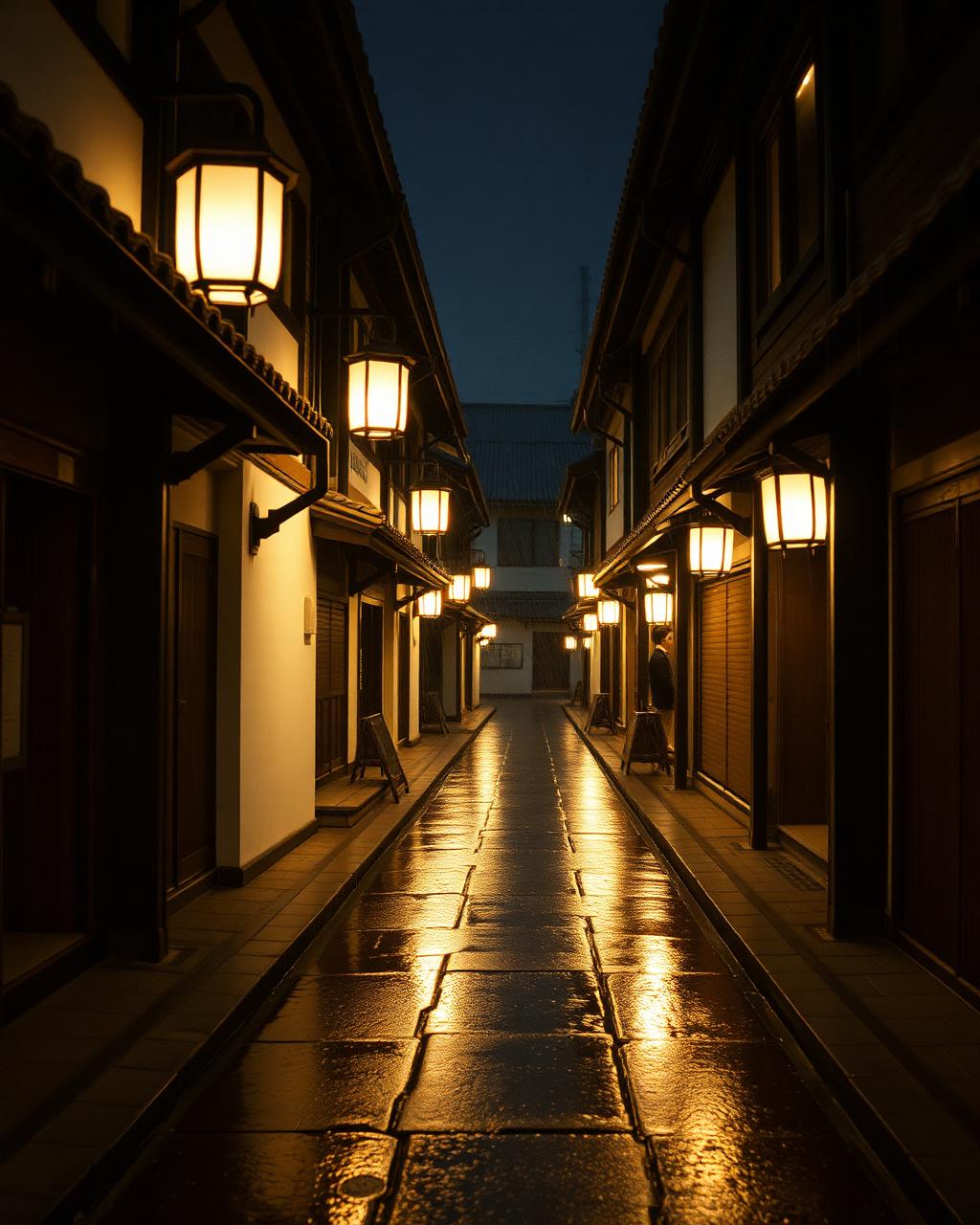
Japan doesn't reveal itself all at once. It asks you to slow down, to notice the way light falls through a shoji screen, to taste the difference between sushi pressed by a third-generation itamae and one shaped by machine. This is a country where a 400-year-old tea ceremony and a bullet train moving at 320 km/h coexist without contradiction — and where the most meaningful travel experiences happen when you stop trying to see everything and start paying attention to what's right in front of you.
I've walked these streets, sat in these restaurants, soaked in these onsen. This guide isn't a highlight reel — it's a personal curation of the places that changed how I think about Japan.
Where to Stay
Palace Hotel Tokyo — Tokyo
There are dozens of luxury hotels in Tokyo. Most of them are interchangeable. Palace Hotel Tokyo is not.
Set directly across from the Imperial Palace gardens — one of the few green lungs in this concrete ocean — the hotel offers something rare in Tokyo: silence. Every room has a private balcony (unusual in Japan), and the ones facing the moat give you a view that makes you forget you're in a city of 14 million.
The design philosophy here is ma — the Japanese concept of negative space. Rooms aren't decorated so much as composed: clean lines, natural materials, restrained elegance. The six restaurants range from French fine dining at Crown to the exceptional Japanese cuisine at Wadakura, where you'll eat seasonal kaiseki while watching water cascade over stone.
What Lonely Planet won't tell you: Request a room on floors 6–8 facing the Palace gardens. The higher floors get more tourist traffic; the mid-floors are where regulars stay. And don't skip the hotel's evening garden walk — the grounds are illuminated differently each season.
Fora partner perks: $100 food & beverage credit, daily breakfast for two, room upgrade and early check-in/late checkout when available.
Neighborhood context: Marunouchi is Tokyo's business district, but on weekends it transforms. The tree-lined Naka-dori avenue becomes pedestrian-only, lined with pop-up markets and street performers. It's a 2-minute walk to Tokyo Station (and the Shinkansen to anywhere), and a 15-minute stroll to the Ginza shopping district.
Hotel The Mitsui Kyoto — Kyoto
If Palace Hotel Tokyo is about restraint, Hotel The Mitsui Kyoto is about legacy.
Built on the grounds of the Mitsui family's 250-year-old estate, the hotel preserves the original entry gate (a designated cultural property) while creating something entirely contemporary behind it. The lobby garden — designed in the karesansui (dry landscape) tradition — is worth the stay alone.
The rooms blend heritage craftsmanship with modern comfort: washi paper screens, hinoki wood accents, and views that frame Nijo Castle's walls like a living painting. But the crown jewel is the thermal spring spa. Unlike typical hotel spas, this one draws from a natural hot spring deep beneath the property — a genuine onsen experience in the heart of Kyoto.
What guidebooks miss: Book dinner at FORNI, the hotel's Italian-Japanese fusion restaurant. Yes, Italian in Kyoto sounds wrong — but Chef de Cuisine uses Kyoto vegetables and local wagyu in ways that would make a Florentine weep with joy. Also: the private onsen suites can be reserved for couples, and they're transformative after a day of temple-hopping.
Fora partner perks: $50 hotel credit, daily breakfast for two, room upgrade and early check-in/late checkout when available.
Neighborhood context: Located in Nakagyo Ward, steps from Nijo Castle and the old merchant quarter. The Nishiki Market (Kyoto's "kitchen") is a 10-minute walk — go early before tour groups arrive. The Karasuma-Oike subway station is directly adjacent, connecting you to Fushimi Inari in under 20 minutes.
Hotel Indigo Hakone Gora — Hakone
Hakone is where Tokyo goes to breathe. An hour and a half by romance car from Shinjuku, this mountain town is built around volcanic hot springs, cedar forests, and views of Mount Fuji that make every photograph look retouched.
Hotel Indigo Hakone Gora takes a different approach from the traditional ryokan. The design is bold — local cedar and volcanic stone combined with contemporary art installations — and every room has a private open-air onsen bath on its balcony. You fall asleep to the sound of a mountain stream and wake up to mist rising through bamboo.
The restaurant serves French-Japanese cuisine using ingredients from the hotel's own vegetable garden and nearby farms. But the real draw is the ritual: soak in your private onsen at dawn, walk through the grounds to breakfast, spend the afternoon at the Hakone Open-Air Museum, return for a sunset soak.
Insider tip: Request a room in the Riverside Wing. The creek-side rooms have the best onsen views. And don't skip the hotel's guided nature walk — the staff will take you through trails that most visitors never find, including a hidden waterfall that sounds like applause.
Fora partner perks: $50 hotel credit, daily breakfast for two, room upgrade and early check-in/late checkout when available.
Where to Eat & Drink
Ten-ichi Tempura — Ginza, Tokyo
Tempura in Japan is nothing like what you've had anywhere else. At Ten-ichi, founded in 1930, each piece is fried individually in pure sesame oil, served the moment it leaves the pot. The shrimp arrives so light it practically dissolves. The kisu (whiting fish) has a crackle that sounds like paper tearing. Seasonal vegetables — lotus root in autumn, bamboo shoot in spring — are transformed into something closer to art than food.
Sit at the counter if you can. Watching the chef work is half the experience: the economy of movement, the precise temperature control, the way each piece is placed on your plate at the exact angle that showcases its form. A full course runs ¥15,000–25,000 ($100–170), and it's worth every yen.
Pro tip: Go for lunch — the courses are slightly smaller but significantly less expensive, and the counter seats are easier to secure.
Otome Sushi — Hokuriku Region
If you're venturing beyond the golden route (and you should), Otome Sushi in the Hokuriku region offers sushi that rivals anything in Tokyo — at a fraction of the price. The Sea of Japan provides buri (yellowtail), nodoguro (blackthroat seaperch), and sweet shrimp that are hours, not days, from the ocean. The itamae here don't perform; they simply serve fish so fresh it changes what you think sushi can be.
Beyond the Famous Names
- Ramen: Skip the hour-long lines at Ichiran. Instead, find a local shop where the line is 10 minutes and the broth has been simmering since 5 AM. In Tokyo, try Fuunji in Shinjuku for tsukemen (dipping ramen) — the concentrated broth is volcanic.
- Izakaya: These casual taverns are where Japan eats after work. Order yakitori (grilled chicken skewers), edamame, and a cold Asahi. No English menu is a good sign.
- Kyoto tea houses: Nakamura Tokichi in Uji (30 minutes from Kyoto) has served matcha since 1854. Their matcha parfait is legendary, but the koicha (thick tea) ceremony is the real experience.
- Sake bars: In Tokyo, try Sake Stand Moto in Shibuya — standing bar, exceptional selection, zero pretension. In Kyoto, Yoramu is a tiny bar run by an Israeli sake sommelier who will change your understanding of what sake can be.
What to See
Tokyo
- Senso-ji Temple (Asakusa): Tokyo's oldest temple is touristy for good reason. Go at 6 AM when it's empty, and the incense smoke curling through cold morning air will stay with you.
- Meiji Shrine (Harajuku): A forest in the middle of the city. The gravel path is designed to slow you down — listen for the crunch beneath your feet.
- Edo-Tokyo Museum: Currently the best way to understand how a fishing village became the world's largest city. The life-sized Edo-period street recreations are immersive. Note: Check opening status as the museum has undergone renovations.
- TeamLab Borderless (Azabudai Hills): Reopened in its new Azabudai Hills location, this digital art museum is genuinely unlike anything else on earth. Book tickets weeks in advance.
Kyoto
- Fushimi Inari Shrine: Ten thousand vermillion torii gates climbing up a mountainside. Most tourists stop at the first overlook. Keep climbing — the higher you go, the fewer people, and the gates narrow into an almost private tunnel of orange light.
- Arashiyama Bamboo Grove: Arrive at 7 AM or don't bother. By 10 AM it's a selfie corridor. At dawn, you can hear the bamboo creak in the wind.
- Kinkaku-ji (Golden Pavilion): Yes, it's covered in gold leaf. Yes, it's stunning. But the real beauty is in the garden — designed so that every angle offers a different composition, like a series of paintings.
- Philosopher's Path: A two-kilometer stone path along a canal lined with cherry trees. In spring it's pink confetti; in autumn, fire.
Hakone
- Hakone Open-Air Museum: Sculptures by Picasso, Henry Moore, and others set against mountain scenery. There's a Picasso pavilion with over 300 works that most visitors rush past.
- Owakudani Valley: Active volcanic vents, sulfur clouds, and black eggs boiled in the volcanic springs (eating one supposedly adds seven years to your life). The ropeway ride here offers Fuji views on clear days.
What to Do
Onsen Culture
Japan's hot spring bathing tradition is 3,000 years old, and it's not optional — it's essential. In Hakone, you'll have private onsen at Hotel Indigo, but also try a public rotenburo (outdoor bath) for the communal experience. The ritual: wash thoroughly before entering, soak in silence, repeat. Your body will thank you for days afterward.
Cultural Immersion
- Tea ceremony: Book a private ceremony in Kyoto — not the tourist version, but a proper chaji (full tea gathering) that takes 2–4 hours and includes a kaiseki meal. Camellia Tea Ceremony in Gion offers intimate sessions.
- Cooking class: In Tokyo, try a home-cooking class in a local's kitchen through services like airKitchen. You'll learn to make dashi from scratch, roll tamagoyaki, and understand why Japanese home cooking is as refined as its restaurant cuisine.
Practical Tips
Getting Around
The Japan Rail Pass is your best friend. A 14-day pass costs roughly $380 and covers all JR trains including most Shinkansen routes. Get an IC card (Suica or PASMO) for local trains, buses, and convenience store purchases — tap and go.
Pro tip: The Shinkansen from Tokyo to Kyoto takes 2 hours 15 minutes. Book a window seat on the right side (seats A or B) heading west for the best Fuji views. The mountain appears about 45 minutes into the journey.
Etiquette Essentials
- Bow when greeting. A slight 15-degree bow covers most situations.
- Remove shoes when entering homes, ryokan, and some restaurants. Look for a raised step at the entrance — that's your cue.
- Don't tip. Anywhere. It can be considered rude.
- Speak quietly on trains. Phone conversations are a social violation.
- Learn three phrases: Sumimasen (excuse me), Arigatou gozaimasu (thank you very much), Oishii (delicious).
When to Visit
- March–April: Cherry blossom season. Book 6 months ahead; prices peak.
- October–November: Autumn foliage rivals New England. Fewer crowds than spring.
- January–February: Lowest prices, clearest skies for Fuji views, incredible onsen weather.
- Avoid: Golden Week (late April–early May) and Obon (mid-August) — domestic travel peaks make everything crowded and expensive.
Budget Breakdown (Per Person, Per Day)
- Luxury: $400–600 (5-star hotel, fine dining, private experiences)
- Mid-range: $200–350 (boutique hotel, mix of casual and upscale dining)
- Budget-conscious: $80–150 (business hotel, convenience store breakfasts, street food lunches)
The Unveiled Journeys Difference
This guide scratches the surface of what Japan offers. Every neighborhood in Tokyo has its own personality. Every temple in Kyoto tells a different story. And Hakone is just one of dozens of onsen towns waiting to be explored.
If you're ready to go deeper — to build an itinerary that fits your pace, your palate, and your curiosity — let's design your Japan journey together. I'll handle the logistics so you can focus on the experience.
Japan doesn't just change your itinerary. It changes how you travel.