What Nine Carnival Cruises Taught Me About the Art of Doing Nothing
The first cruise was Bermuda with a two-year-old. The ninth was the one where I finally understood: the ocean is not the destination — the stillness is.
What Nine Carnival Cruises Taught Me About the Art of Doing Nothing
I have been on nine Carnival cruises and one Royal Caribbean sailing. That is ten times I have chosen to board a ship, leave the land behind, and let the ocean set the schedule.
And it took me until about cruise number seven to understand what I was actually doing out there.
The First Cruise: Bermuda, 2018
My son's first cruise was mine in a different way too. Not my first time on a ship — but my first time cruising as a mother. Kaiden was two, and everything about the experience was filtered through his eyes: the size of the ship, the movement of the water, the buffet that seemed to have no end.
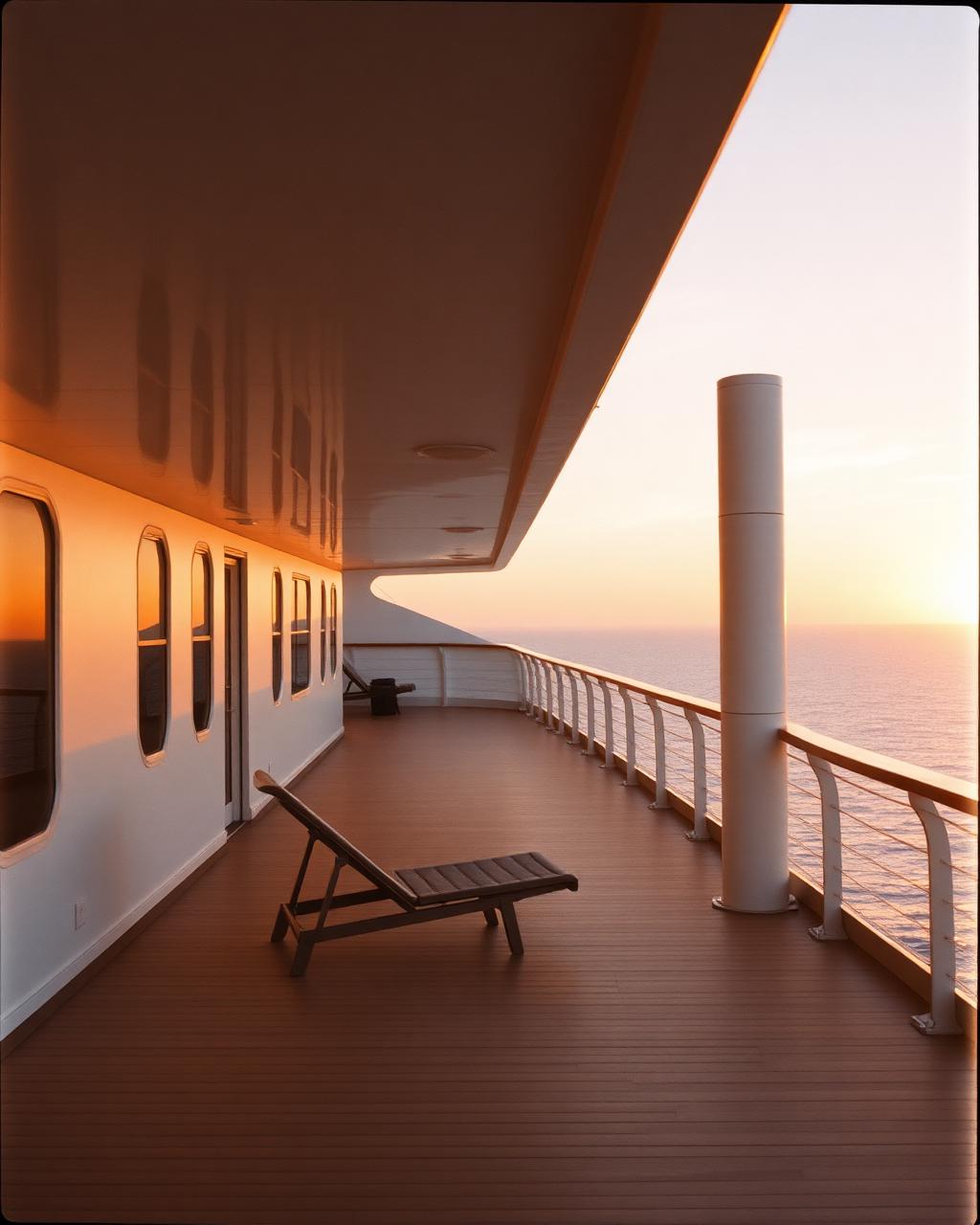
I remember standing on the balcony after he fell asleep, watching the Atlantic stretch out in every direction, and feeling something I had not felt in a long time: unscheduled. No meetings. No deadlines. No tasks waiting for me on a screen. Just the sound of the engine vibrating gently through the deck and the water moving beneath us in the dark.
That was the beginning.
Why Carnival
People have opinions about cruise lines the way they have opinions about airlines — fierce loyalty, quiet judgment, and a conviction that their choice is the right one.
I chose Carnival initially because it was accessible. The pricing made sense for a young mother traveling with family. The ships departed from ports I could drive to. The atmosphere was casual — no formal night anxiety, no dress-code stress, no sense that I needed to perform a version of luxury I could not afford.
But over nine sailings, Carnival became something more than convenient. It became familiar. The layout of the ships, the rhythm of the days, the staff who remembered me — all of it created a kind of floating home base. And there is something powerful about familiarity in travel. It gives you permission to stop orienting and start experiencing.
Carnival gets criticized for being the "fun ship" line — too casual, too loud, too focused on the pool deck and the comedy shows. And yes, it is all of those things. But it is also a line that understands something fundamental about why people cruise: most people are exhausted. They do not need a museum at sea. They need permission to do nothing.
The Sea Day Revolution
The first few cruises, I treated sea days as problems to solve. What activities are happening? What time is the comedy show? When does the pool open? Should I take a class? Try the spa? Go to the gym?
By cruise five, I had learned the lesson: the best sea day is the one with no plan.
I would wake up, get coffee, and find a chair on an upper deck — not the pool deck, which is chaos and children and DJ music, but a quieter deck, maybe near the running track or the adults-only section. I would sit. I would read. I would watch the ocean do what the ocean does, which is nothing and everything at the same time.
The water changes color throughout the day. Morning light turns it silver. Midday sun deepens it to cobalt. Late afternoon softens everything to teal and grey. And at night, when the lights of the ship reflect off the surface, the water becomes a mirror of wherever you are.
I have sat with these changes for hours. Not because I am patient — I am not, by nature — but because the ocean rewires your sense of time. When there is nothing on the horizon, nothing to walk to, nothing to arrive at, your internal clock slows down. Minutes stop feeling like units to be spent and start feeling like something to be in.
This is what nine cruises taught me. Not the ports — though the ports were beautiful. Not the food — though the food was plentiful. The lesson was in the sea days. The lesson was in the nothing.
Cruising with Family
Most of my cruises have been with family — my son, extended family, friends. And the ship creates a particular dynamic that land-based travel cannot replicate.
On land, family travel requires constant coordination. Where are we eating? Who has the room key? What time is the reservation? How far is the walk? On a ship, the coordination collapses. Everyone is in the same floating building. The dining room is five minutes away. The kids' club is on Deck 5. The pool is always open. The room is always reachable.
This compression of logistics creates more space for the thing families actually need on vacation: unstructured time together. Card games on the balcony. Walking the promenade after dinner. Watching a movie on the big screen by the pool. Kaiden and I developed rituals on the ship — a morning walk to get pastries, an afternoon swim, an evening show — that became our own language for vacation.
I think this is why families return to cruising. It is not the destinations. It is the container. The ship holds you so completely that you can finally stop holding everything together yourself.
Royal Caribbean: The Comparison
I did one Royal Caribbean cruise, and it taught me something too — mostly about myself.
Royal Caribbean is bigger. The ships are floating cities, with surf simulators and zip lines and robot bartenders. The production shows are Broadway-caliber. The dining options span a dozen cuisines. It is impressive in a way that makes you aware of how much engineering went into impressing you.
I enjoyed it. But I did not relax in the same way.
Carnival's casualness, which I once thought was a limitation, turned out to be its greatest strength. The absence of spectacle creates space for stillness. When you are not being dazzled, you are free to just be.
This is not a criticism of Royal Caribbean — it is a recognition that different travelers need different things, and that knowing what you need is one of the most important skills in travel. I need the space to do nothing. Carnival gives me that.
What the Industry Taught Me About Cruising
Having worked at Delta Air Lines, I understand the logistics of moving people at scale. Airlines and cruise lines share a fundamental challenge: how do you create a personal experience inside an industrial operation?
Delta does it through consistency — the same boarding process, the same safety briefing, the same complimentary beverage service — that creates predictability. You know what to expect, and within that predictability, you can relax.
Carnival does something similar. The Fun Ship routine — the towel animals, the midnight buffet, the Lido deck burgers, the "Cruise Director" energy — is consistent across ships and sailings. And that consistency, which might seem generic from the outside, is actually deeply comforting from the inside. You know where the pizza is. You know when the show starts. You know what the horn sounds like when the ship leaves port.
That knowledge frees you. It means you do not have to think. And not thinking — truly, genuinely not thinking — is one of the hardest things for busy, responsible, carrying-the-weight-of-everything women to do.
The Ports, Briefly
I have visited Caribbean ports from the Bahamas to Bermuda to Mexico to Honduras to Belize to Jamaica to Grand Cayman and beyond. Each port has its own character, its own energy, its own version of welcome.
But what I have learned after nine cruises is that the ports are punctuation, not the story. They are wonderful — the snorkeling in Belize, the beach in Grand Turk, the food in Jamaica — but they are not why I cruise.
I cruise for the days at sea. For the mornings on the balcony. For the evenings when the sun drops into the water and the sky turns colors I have never seen on land. For the feeling of being carried — literally, physically carried — across something vast and indifferent and beautiful.
Practical Cruise Wisdom
Choosing a cabin: Inside cabins are the best value and the darkest for sleeping. Balcony cabins are worth the upgrade if you value private outdoor space — which I do. Mid-ship, lower deck for the least motion.
Packing: Bring a power strip — cabins have limited outlets. Pack a small bag for embarkation day since your luggage may not arrive until evening. Bring a lanyard for your cruise card.
Food strategy: The main dining room offers the best food on the ship — skip the buffet for dinner. Order multiple appetizers and desserts. Try the chef's special every night.
Sea day strategy: Claim your chair early if you want pool deck. Better yet, find the quiet spots — the library, the spa deck, the jogging track, the upper-deck loungers that nobody seems to find.
Booking strategy: Book during Wave Season (January through March) for the best promotions. Choose itineraries with at least two sea days. And book your excursions independently for significant savings over the ship's offerings.
What Cruising Really Teaches
Nine Carnival cruises taught me that rest is not a luxury — it is a practice. And like any practice, it gets easier the more you do it.
The first cruise, I could not sit still. The ninth cruise, I could sit on a balcony for three hours watching the water and feel like I had done enough.
That is not laziness. That is healing.
For the women I work with — entrepreneurs, executives, mothers, caregivers — this lesson is often the most important one I can offer. Not where to go. Not what to see. But how to stop. How to let the world move beneath you without feeling the need to steer.
The ocean has been doing this for billions of years. It does not need your help. And neither, for a few days, does your life.
That is what nine Carnival cruises taught me.
And I am already thinking about the tenth.