Tracing My Family From the American South — and Standing in Zanzibar
I followed my family's thread from Alabama red clay to Zanzibar's Stone Town, standing where the transatlantic slave trade left its deepest marks. What I found there wasn't closure — it was something more complicated and more beautiful than I expected.
Tracing My Family From the American South — and Standing in Zanzibar
The air in my grandmother's kitchen was always thick with stories, like the sweet, smoky scent of her collard greens simmering low and slow. It was in that kitchen, nestled deep in the American South, that the first threads of my heritage began to unravel for me. Not from crisp, official documents, but from whispered tales of strength, resilience, and survival stretching back generations. My grandmother, God rest her soul, spoke of cotton fields that swallowed dreams whole, of hushed prayers under moonless skies, and of an unwavering faith that carried them through. These weren't just anecdotes; they were the foundations of my identity, roots dug deep into the red clay of Alabama and Georgia.
For years, I chipped away at the puzzle, armed with AncestryDNA kits, dusty census records, and countless interviews with surviving elders. My maternal line led me to Edgefield County, South Carolina, a place synonymous with both antebellum grandeur and the brutal machinery of slavery. The names appeared like ghosts on the page: Sally, Jack, Rose. My 3x great-grandmother, a woman named Phillis. And then, a deeper, more unsettling truth began to emerge – the origins of those names, of their very existence in the United States, irrevocably tied to the transatlantic slave trade. My ancestors weren't just from the American South; they were taken to the American South.
This realization ignited a different kind of longing within me, a profound yearning to trace that back further, to touch the earth that might have been their last free steps. The stories my grandmother told me were powerful, but they ended at the American shore. I wanted to understand the journey, the rupture, and perhaps, to find some echo of what was lost. This wasn't just about dates and places anymore; it was about honoring the unwritten chapters, about standing in the shadow of history and feeling its weight. This is what led me, a Black American woman raised on Southern soil, across oceans to Zanzibar, an island both breathtakingly beautiful and hauntingly significant.
The Weight of History and the Unexpected Calm
Anticipation for Zanzibar was a complex cocktail of emotions. There was the thrill of exploring a new culture, the promise of turquoise waters and fragrant spice farms. But beneath it all, a deep, resonant hum of trepidation. I knew Zanzibar, specifically Stone Town, was a major historical hub for the East African slave trade. How would it feel to stand there, knowing the unspeakable horrors that transpired on those very docks, in those very markets? Would it be overwhelming grief? Righteous anger? I prepared myself for an emotional deluge, for a confrontation with a past that was not just academic, but deeply personal.
Stepping into Stone Town for the first time, however, the initial sensation was not one of immediate sorrow, but of an almost disorienting vitality. The air, thick with the scent of cloves, incense, and salt, hummed with a different kind of energy. Narrow, labyrinthine alleyways, framed by towering coral-rag houses with intricately carved wooden doors, pulsed with life. Children laughed, merchants bartered in Swahili, and the call to prayer drifted ethereal from a distant mosque. It was a sensory overload, a kaleidoscope of sights and sounds that momentarily pushed the historical weight to the periphery.
This wasn't a sterile museum; it was a living, breathing city, its history woven into every crevice, yet vibrantly moving forward. This duality, this tension between the beautiful present and the painful past, is Zanzibar's profound lesson. It teaches you that resilience isn't just about surviving; it's about continuing to live, to laugh, to build, even on ground saturated with sorrow.
Stone Town: Echoes in the Labyrinthine Alleys
My first solo venture into Stone Town was deliberate. I needed to feel the pulse of the place without the immediate commentary of a guide, to allow my own spirit to absorb its essence. The famed Zanzibari doors were architectural masterpieces – each one a unique story carved in dark wood, reflecting Indian, Arab, and Omani influences. Some boasted intricate brass studs, others geometric patterns, all serving as silent witnesses to centuries of comings and goings.
But the true emotional crucible awaited at the site of the former slave market, now home to the Anglican Cathedral. Standing on that hallowed ground, underneath the commemorative altar built on the very spot of the whipping post, my breath caught in my throat. I descended into the underground slave chambers – small, suffocating spaces where hundreds of enslaved people were crammed, awaiting sale. The air was heavy, thick with the echoes of unimaginable suffering.
In that moment, the grief I had anticipated finally arrived, raw and visceral. It wasn't the kind of rage that burns bright, but a deep ache in my soul, a profound sadness for lives stolen, for humanity denied. I thought of Phillis, of Sally, of Jack, of all the nameless faces from my own lineage. Were they perhaps held in chambers just like these, enduring similar horrors, before being forced onto ships sailing west? The connection felt tangible, a spiritual tether across centuries and continents.
Yet, amidst the grief, an unexpected wave of reverence washed over me. Reverence for the strength of those who endured. Reverence for the human spirit that, even in the darkest corners, found ways to persist.
Beyond the Shadows: Finding Beauty and Connection
The tension between the historical weight and the vibrant present is perhaps Zanzibar's most profound offering, especially for a Black American traveler. You cannot ignore the past, and indeed, you shouldn't. But you also cannot allow it to overshadow the present beauty and the warmth of the Zanzibari people.
After the profound experience at the slave market, I found myself drawn to the everyday rhythms of Stone Town. I wandered through the Darajani Market, a glorious assault on the senses. The air vibrated with the cries of vendors, the smell of fresh fish from the morning's catch, mountains of exotic fruits, and the vibrant hues of intricately patterned fabrics.
Spice Tours: A Journey of Aroma and History
One of the highlights, both practical and deeply symbolic, was a spice tour. Zanzibar is famously known as the "Spice Island," and its abundance of cloves, nutmeg, cinnamon, and pepper wasn't just a culinary delight – it was a primary driver of its historical prosperity and, tragically, its role in the slave trade. Walking through the spice farms, touching the leaves of a cinnamon tree, tasting fresh vanilla bean, peeling a clove from its bud – it felt like a connection to a different kind of history, one intertwined with both commerce and human labor.
Culinary Delights: A Taste of Heritage
The food in Zanzibar is a direct reflection of its crossroads history – a fusion of African, Arab, Indian, and Portuguese influences. Imagine grilled fish perfectly spiced with local chilis and coconut, served with pilau rice fragrant with cardamom and cloves. Or the street food at Forodhani Gardens, a nightly spectacle where vendors grill fresh seafood, sugarcane juice is pressed on demand, and the atmosphere buzzes with communal energy. Each bite felt like a taste of my extended heritage, a delicious echo of the migrations and fusions that have shaped not just this island, but the very diaspora I am a part of.
The Warmth of the People
Perhaps the most unexpected balm for the soul was the warmth and genuine kindness of the Zanzibari people. From the hotel staff who greeted me with "Karibu!" to the local artisans who chatted with me about their craft, there was an open-heartedness that transcended any historical tension.
Practical Wisdom: When to Go and What to Book
For anyone considering Zanzibar as a heritage destination, here is what I've learned – both from my own journey and from guiding clients through similar ones.
Best Time to Visit: June through October offers the driest weather and is ideal for exploration. February through March is also pleasant, though warmer. Avoid the heavy rains of April and May.
Getting There: Most international flights connect through Dar es Salaam or Nairobi. From Dar es Salaam, you can take a short domestic flight or a ferry.
Where to Stay: For Stone Town, choose a boutique hotel within the old town itself – the Emerson Spice or the Park Hyatt are excellent options that balance comfort with cultural immersion. For beachside relaxation afterward, the east coast (Paje, Jambiani) or north coast (Nungwi, Kendwa) offer stunning options.
What to Book:
- A guided tour of the former slave market and Anglican Cathedral – essential for understanding Zanzibar's history.
- A spice tour – ideally with a local operator who can share both the botanical and historical significance.
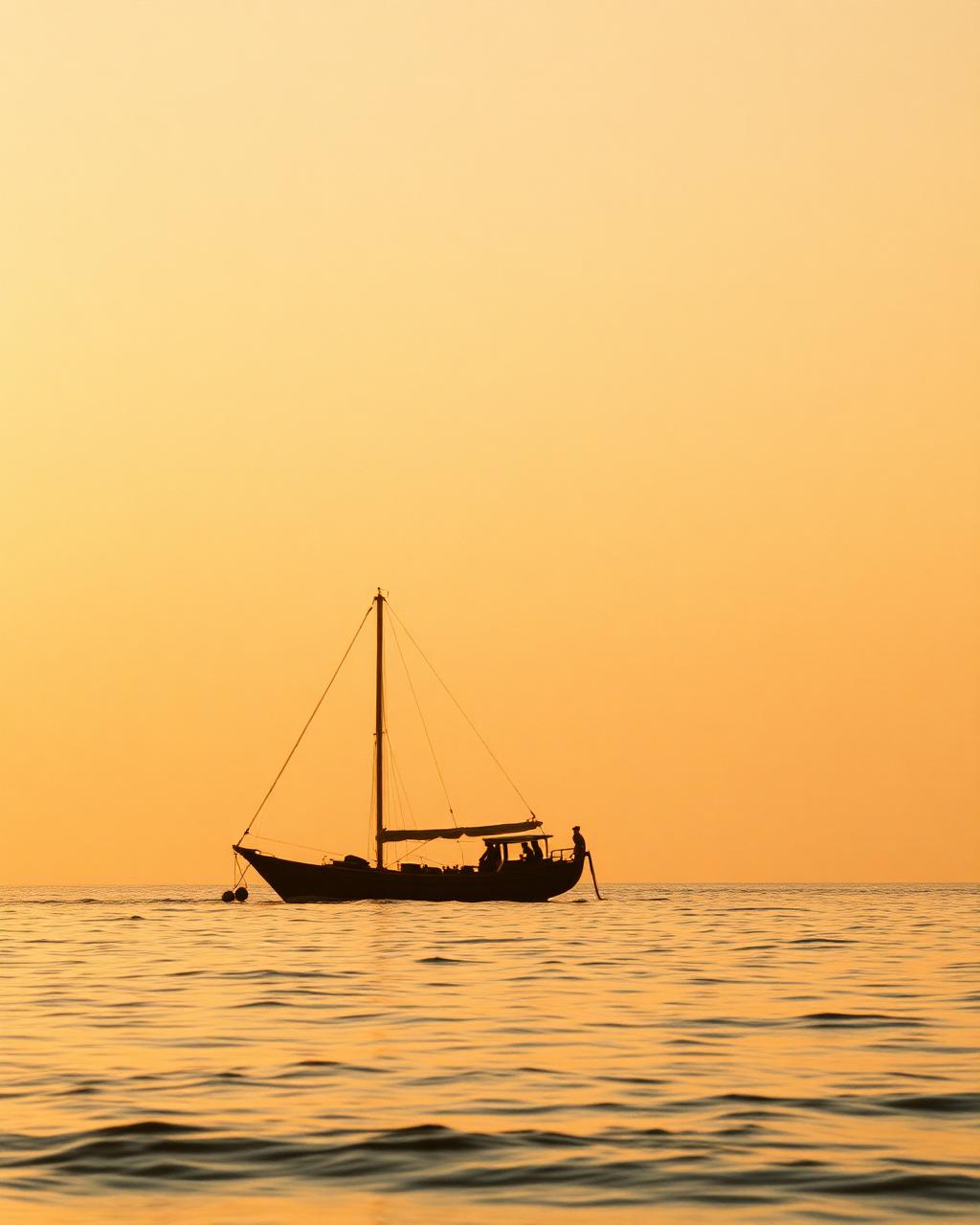
- A sunset dhow cruise – a peaceful way to absorb the beauty of the coastline.
- A cooking class focusing on Zanzibari cuisine – an immersive way to connect with the island's cultural blend.
Emotional Preparation: This is paramount and cannot be overstated. Read about the East African slave trade before you go. Discuss your feelings with trusted friends, family, or a therapist. Give yourself permission to feel everything – grief, anger, peace, joy. There are no "wrong" emotions on a heritage journey.
Respect the Space: Remember that these historical sites are sacred. Approach them with reverence, not just as a tourist attraction. Speak softly, be mindful of other visitors' experiences, and consider bringing a small offering or symbolic gesture if it feels meaningful to you.
What I Carry Home: More Than Memories
What I carried home from Zanzibar wasn't just a collection of photographs or a suitcase full of spices, though I had plenty of both. It was a profound shift in my understanding of myself and my place in the larger narrative of the African diaspora. It was the knowledge that standing in a place connected to your history, even a painful history, doesn't diminish you; it expands you.
The grief I felt in those underground chambers was real, and it's something I still carry. But so is the joy I found in the markets, the connection I felt with the Zanzibari people, and the deep, abiding peace that settled over me as I watched the sun set over the Indian Ocean from the rooftop of my Stone Town hotel. It was a peace born not from resolution, but from acknowledgement – the simple, powerful act of saying, "I see you. I remember you. I honor you."
This experience fundamentally shaped my heritage travel advisory practice. It taught me that heritage travel is not about finding answers; it's about asking the right questions, being present with the discomfort, and allowing the journey to reshape your understanding of who you are. For my clients, I carry this truth: the most meaningful travel isn't always the most comfortable. But it is, without question, the most transformative.