The Safari That Rewired My Understanding of Luxury
Years of turning down beds and curating pillow menus at Westin taught me one definition of luxury. A tented camp in Tanzania — with its dust and silence and unhurried dawns — taught me another entirely.
The Safari That Rewired My Understanding of Luxury
By Ariana
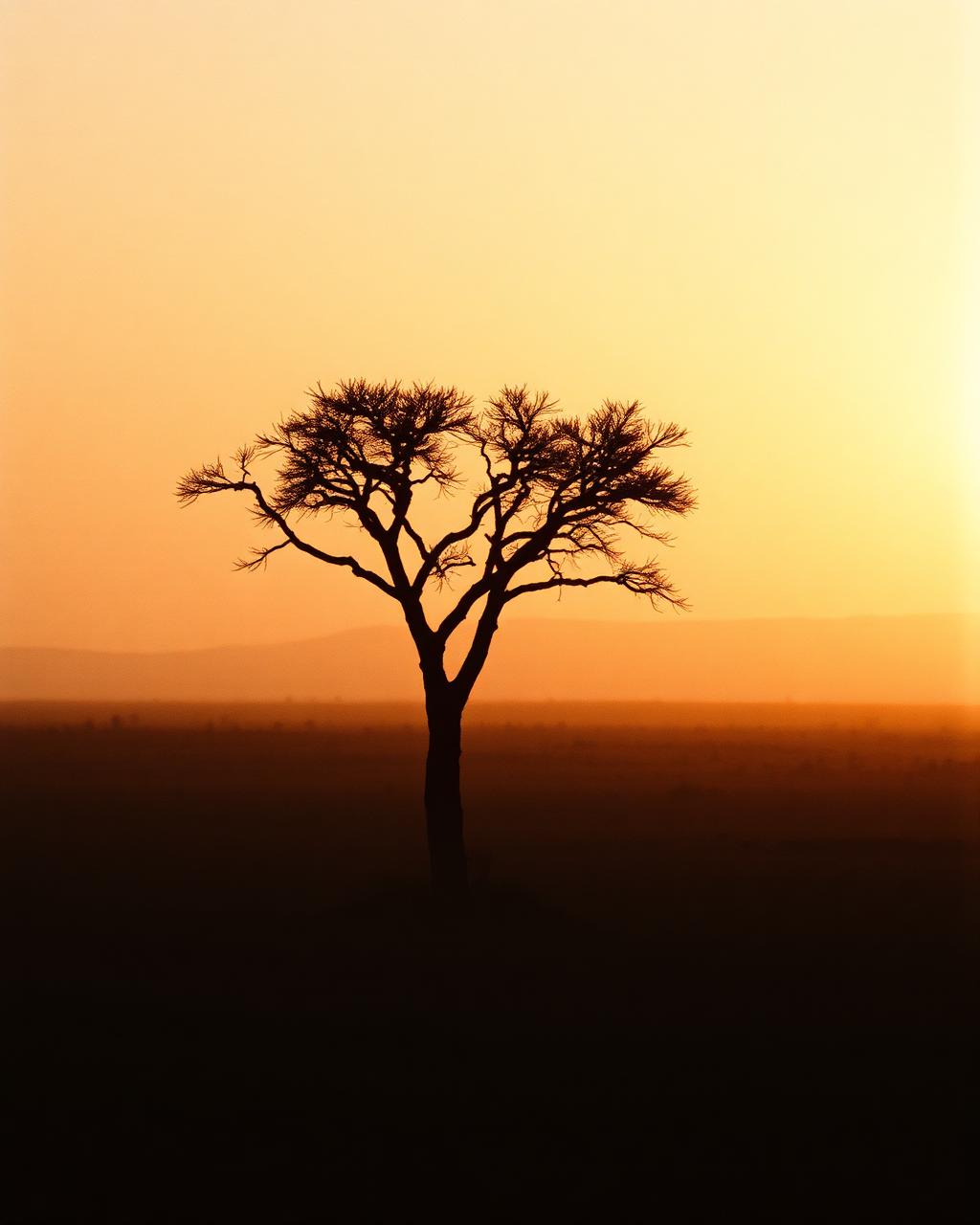
The pervasive scent of acacia and sun-baked earth was my first welcome committee. It clung to the air, a primeval perfume utterly unlike the bespoke aroma that Westin hotels meticulously diffuser through their lobbies. I stepped onto the dusty airstrip, a ribbon of compacted earth carved into the endless Tanzanian plains, and the silence… the silence was an audible presence. It wasn't an absence of sound, but an overwhelming symphony of the natural world: the distant chirrup of an unseen bird, the whisper of dry grass against a gentle breeze, and the faint, rhythmic thrum of my own heartbeat. Gone were the polished marble floors, the hushed murmurs of a concierge desk, the distant clinking of crystal from a sophisticated bar. Here, there was just the vast, unbound wild, stretching to horizons so distant they seemed to ripple with possibility.
For years, my understanding of luxury was meticulously constructed within the gleaming confines of the Westin Hotels brand. My professional life was a ballet of anticipating desires, orchestrating comfort, and perfecting the art of elevated hospitality. Luxury, to me, was a tangible entity: the precise thread count of Egyptian cotton sheets, the artful arrangement of a pillow menu offering orthopedic support or feathery softness, the evening turndown ritual that left chocolates on the bedside table and slippers neatly placed. It was the seamless choreography of a morning wake-up call followed by a perfectly brewed coffee delivered to your room, the discreet yet ever-present team anticipating every need before it was voiced. We understood luxury not just as service, but as an environment—a sensory cocoon crafted for ultimate relaxation and rejuvenation. The lobby scent, a carefully calibrated blend evoking tranquility and wellness, was as much a part of the guest experience as the design of the ergonomic desk chair. It was a world of curated perfection, where every detail was accounted for, every potential discomfort ironed smooth.
Then came Tanzania, and with it, a profound recalibration. My first game drive was not merely an excursion; it was an immersion. The jeep, open-sided and rugged, bounced rhythmically over the uneven terrain, kicking up plumes of red dust that coated everything in a fine, warm film. Our guide, a man whose eyes held the wisdom of generations etched into the landscape, pointed to a distant kopje. "Lioness," he murmured, his voice a low, reverent hum. As we drew closer, the scene unfurled with a breathtaking intimacy: a magnificent lioness, her golden fur camouflaged against the ochre earth, suckling two impossibly small, tumbling cubs. They wrestled playfully, then snuggled into her warmth, utterly oblivious to our presence. The raw tenderness of that moment, the unscripted drama of life unfolding before my eyes, was a revelation.
There was no bespoke cocktail menu here, no meticulously crafted playlist to set the mood. There was only the unfiltered spectacle of nature, a story older than any human invention. In that moment, the quiet privilege of observing such unhurried, untamed beauty felt like the truest form of luxury I had ever encountered. It wasn't about what was given to me, but what was revealed. It was access—access to a world largely untouched, unscripted, and unhurried by the relentless pace of modern life. This wasn't luxury by acquisition; it was luxury by immersion.
Life at camp further cemented this evolving understanding. My abode was a spacious canvas tent, artfully furnished but fundamentally a part of its surroundings. The zipper, the primary barrier between me and the wild, was a constant reminder of my presence as a guest in a grander, more ancient home. There was no television, no Wi-Fi, no immediate connection to the digital cacophony I usually navigated. Instead, the evenings were filled with the inimitable sound design of the bush: the distant howl of a hyena, the rhythmic hoot of an owl, the rustle of unseen creatures in the darkness.
Communal dining under a sky ablaze with stars became a cherished ritual. Fellow travelers, diverse in origin and perspective, shared stories and observations from their day, their voices warm against the cool night air. The food, though simple in its preparation, was fresh and flavorful, served with genuine warmth. This wasn't about Michelin stars; it was about genuine connection over shared experience, about the camaraderie forged in the crucible of awe. The lack of constant connectivity fostered a deeper engagement with my surroundings and with those around me. It was, I realized, an enforced digital detox that proved to be unexpectedly liberating. The intimacy of a tented camp, where the sounds of the night were your lullaby and the first rays of dawn painted the canvas walls, stripped away the artifice and offered an honesty I hadn't realized I craved.
Perhaps the most potent embodiment of this new definition of luxury, however, was our safari guide. In the meticulously managed world of luxury hospitality, the concierge is the ultimate facilitator, navigating guest requests with seamless efficiency, translating desires into tangible experiences. On safari, the guide assumes this role, but with a profound difference. Our guide, whose name was Hamisi, did not consult a reservation book or an inventory of available services. Instead, he read the land. His intuition was honed by years of observation, his knowledge of animal behavior encyclopedic. He could discern the faint imprint of a leopard's paw in the dust, interpret the alarm call of a vervet monkey, or predict the migration patterns of thousands of wildebeest with an almost mystical accuracy.
Hamisi was an interpreter of the natural world, a storyteller weaving narratives of survival, adaptation, and interdependence. He understood that true luxury here was not about opulent amenities, but about privileged access to understanding. His ability to anticipate where a pride of lions might be resting, or to patiently track an elusive leopard through dense bush, was a skill far more valuable than any five-star concierge service. He was not arranging a reservation; he was opening a window into an ancient, living ecosystem. His quiet enthusiasm, his deep respect for the animals, and his ability to share his profound understanding transformed every encounter from mere sightseeing into a profound educational experience. He was, in essence, the ultimate luxury conduit, connecting us directly to the heartbeat of Africa.
This journey forced me to distill luxury down to its essence. It is not always about what money can buy, but about what money can facilitate—access to rare experiences, profound encounters, and moments of unadulterated presence. As a Fora Travel Advisor now, I feel a renewed sense of purpose in guiding my clients. The practical wisdom gleaned from this profound experience is invaluable.
For those considering a safari, here are a few insights:
What to pack: Forget the designer labels and focus on practicality. Neutral colors are key to blending in and not startling wildlife. Lightweight, breathable fabrics are essential in the heat, but layers are equally important for cool mornings and evenings. A good broad-brimmed hat, sunglasses, and high-quality binoculars are non-negotiable. Do not underestimate the power of a comfortable pair of walking shoes. Leave the elaborate jewelry and high heels at home; this is about comfort and functionality.
Lodges vs. Tented Camps: This is a pivotal decision that dictates much of the experience. Lodges often offer more conventional hotel amenities—swimming pools, air conditioning, more structured buildings. They provide a comfortable and robust base. However, for those seeking a truly immersive experience, a tented camp is unparalleled. Camps range from relatively rustic to exquisitely luxurious, but all offer a more intimate connection to the environment. The permeable boundary between your tent and the wild creates an undeniable frisson. You hear the hyenas, feel the shift in the breeze, and wake to the chorus of birds around you.
When to go: Timing is critical and often dictated by the Great Migration, particularly in Tanzania and Kenya. The dry season (roughly June to October) generally offers excellent wildlife viewing as animals congregate around dwindling water sources. However, the green season (November to May, excluding peak rains) can offer lush landscapes, migratory birds, and often lower prices. Consult with a knowledgeable advisor to align your travel dates with your desired wildlife experiences.
Budget Considerations: A safari is an investment, but the returns are immeasurable. Costs vary widely depending on the chosen operators, level of luxury, duration, and season. It is crucial to understand what is included: game drives, meals, park fees, internal flights, and often drinks. Investing in a knowledgeable travel advisor here is paramount; they can navigate the complexities, secure the best value, and tailor an itinerary to your financial comfort zone without compromising on the depth of the experience.
Returning to my structured world of advisory work after Tanzania, I found myself looking at luxury hotel proposals with a different, more discerning eye. The thread count still mattered, the lobby scent still held its quiet charm. But now, they were components of a broader palette. They were lovely, certainly, but they were no longer the sole definition. I understood, viscerally, that the most profound luxury is the one that changes you—the one that leaves you not just rested, but rewired. It is the privilege of witnessing a lioness with her cubs at dawn, the intimacy of a tented camp where the night sounds become your lullaby, and the wisdom of a guide who reads the land like a living, breathing map.
Tanzania didn't diminish my appreciation for refined hospitality. It expanded my vocabulary for it. And that expansion, that fundamental recalibration, is what I now bring to every client conversation. When I recommend a safari, I'm not just suggesting a trip. I'm offering a recalibration—one that I believe every traveler, especially those who think they already know what luxury is, profoundly needs.