Why My Solo Trip to Japan Broke Every Rule I Thought I Knew
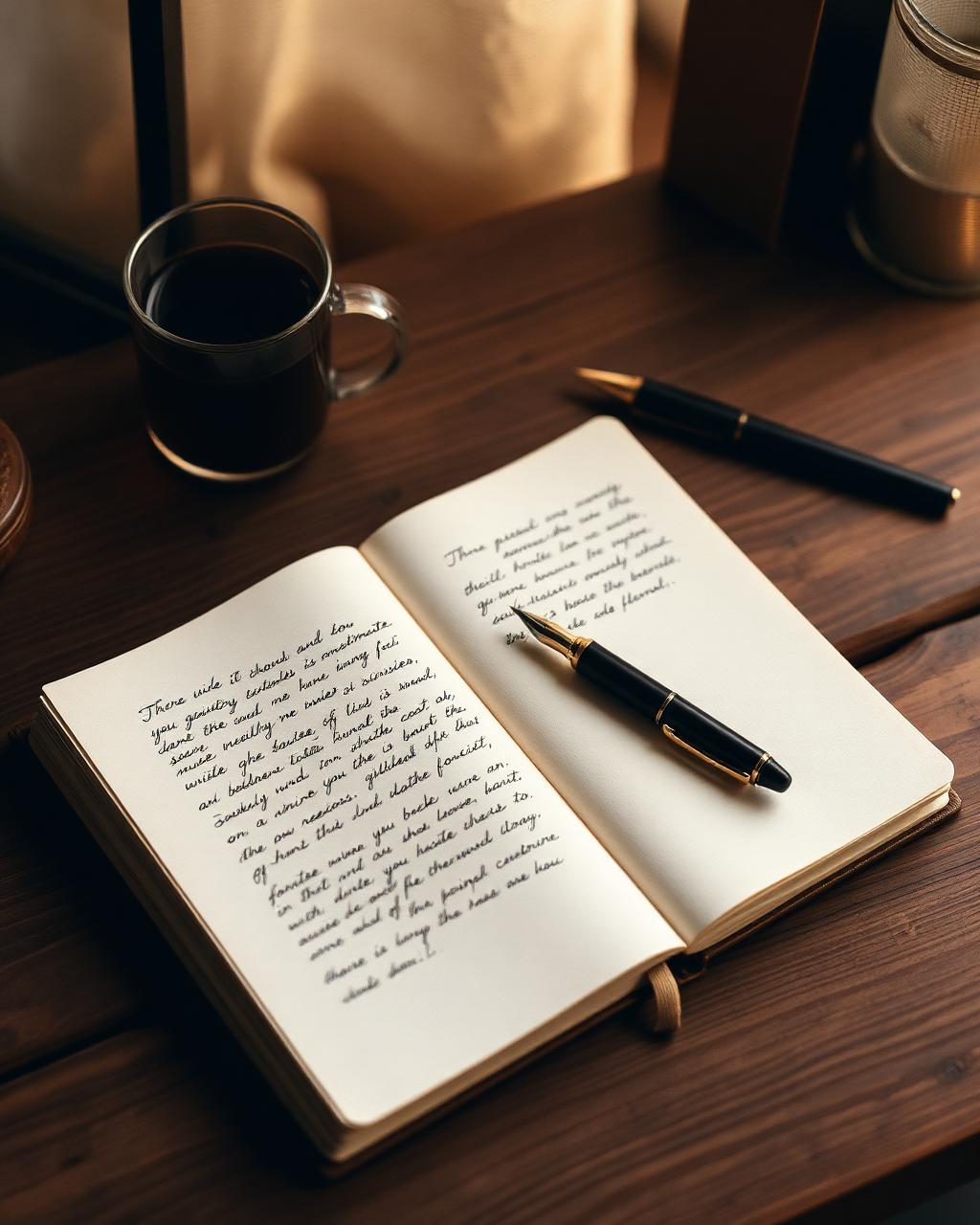
I arrived in Tokyo with a color-coded spreadsheet and left Kyoto having learned that the best solo trips are the ones where you stop trying to control everything.
Why My Solo Trip to Japan Broke Every Rule I Thought I Knew
By Ariana
The hiss of the automatic train doors at Narita was the first sound that truly registered, a soft, almost imperceptible exhalation that signaled my arrival. Fresh off a Delta One flight, still buzzing with the unique jet-lagged combination of exhilaration and exhaustion, I stepped onto a platform so impeccably clean it felt almost surgical. There was no chaotic bustle, no shouting, just a hushed, purposeful movement. Commuters, heads bowed over smartphones or books, moved with an almost balletic grace. This was not just a new country; it was a calibrated hum, a whisper of efficiency I had never encountered. And in that precise moment, standing there a solo Black woman with two overstuffed suitcases, I knew, deep in my gut, that every preconceived notion I held about solo travel, about control, about finding my place in a meticulously ordered world, was about to be elegantly, definitively shattered.
For years, my professional life at Delta Air Lines and Westin Hotels was a symphony of meticulous planning. My brain was a meticulously organized airport terminal, each gate a contingency, each flight path a carefully calculated trajectory. This ingrained habit bled into my personal travel. I loved a detailed itinerary. I loved knowing what was next. Japan, with its reputation for precision and order, seemed like the perfect canvas for my highly structured approach.
Tokyo: A Symphony of Contrasts and Culinary Delights
My Tokyo experience was a full-body immersion into contrast. One moment I was lost in the electrifying neon pulse of Shibuya Crossing, a human current swirling around me, an undeniable energy that hummed with purpose. The next, I found myself in the ancient, tranquil embrace of Yanaka, a neighborhood that felt like a whisper from another century. Here, the air was scented with incense, the pathways lined with moss-covered temples and traditional wooden homes.
And then there was the food. As a solo traveler in Japan, the culinary landscape became my personal adventure playground. I quickly discovered the magic of the standing ramen bar — a cozy, steamy haven where slurping was encouraged, a brief, intimate communion with a bowl of soul-warming broth and noodles. There was no awkwardness of a table for one; just the shared experience of deliciousness. But the true revelation was the depachika, the basement food halls of department stores. These subterranean emporiums were a feast for the senses, a kaleidoscopic array of perfectly sculpted bento boxes, glistening sashimi, artisanal teas, and exquisite pastries. It was in these depachikas that I truly understood the Japanese dedication to aesthetics and quality, right down to the humblest pre-packaged meal.
Navigating Tokyo without fluency in Japanese was another challenge I had underestimated. But every wobble was met with incredible grace. Store clerks would patiently use translation apps on their phones, hotel staff would go out of their way to guide me, and even fellow commuters would offer a silent, pointing gesture to help me find the right platform. It was not about understanding every word; it was about the universal language of kindness and mutual respect.
The Solo Dimension: Freedom, Vulnerability, and Unseen Support
Dining alone at a traditional kaiseki counter in Ginza was the quintessential solo traveler experience I had both craved and slightly dreaded. The multi-course meal, a culinary ballet of seasonal ingredients and exquisite presentation, unfolded before me. Each dish was a miniature work of art. There was no dinner companion to share a wink with, no immediate reaction to bounce off. It was just me, the chef, and the silent appreciation of craftsmanship. In that moment, a profound freedom settled over me. It was the freedom to simply be, to savor the experience without needing to perform or entertain.
But this freedom also came with a subtle vulnerability. As a Black woman traveling solo, there is an unspoken awareness of being other, of standing out. Japan, however, offered a unique shield. Its culture of respectful distance, the inherent politeness and non-intrusiveness, paradoxically made solo travel feel incredibly safe and unintimidating. I was certainly observed — not in a hostile way, but with a gentle curiosity. Yet, I rarely felt overtly stared at or singled out. My space was respected. My solitude was understood. This respectful distance, ironically, erased many of the anxieties I had anticipated about traveling alone as a woman of color in a homogenous society.
Kyoto: A Slower Rhythm and the Art of Timing
Leaving the exhilarating chaos of Tokyo for the serene beauty of Kyoto felt like a conscious downshift. My pre-dawn pilgrimage to Fushimi Inari Taisha was a testament to the power of strategic timing. Arriving as the first rays of sunlight kissed the vermillion torii gates, I witnessed the iconic shrine in an almost ethereal state. Walking through thousands of gates, each a silent offering, was a meditative experience, unmarred by the throngs of tourists that would soon descend.
My booked tea ceremony, nestled in a traditional machiya house, was another lesson in intentionality. Here, every gesture, every pour, every spoken word, was a deliberate act, steeped in centuries of tradition. It was not just about drinking tea; it was about mindfulness, about observing beauty in simplicity.
The Arashiyama Bamboo Grove similarly benefited from strategic planning. I opted for an early morning visit, immediately after it opened. I walked through the towering bamboo stalks, the light filtering down in breathtaking patterns. This reinforced a crucial lesson: popular spots are popular for a reason, but the experience of them is directly proportional to how you choose to engage with the crowds.
What I Got Wrong: Unlearning Habits
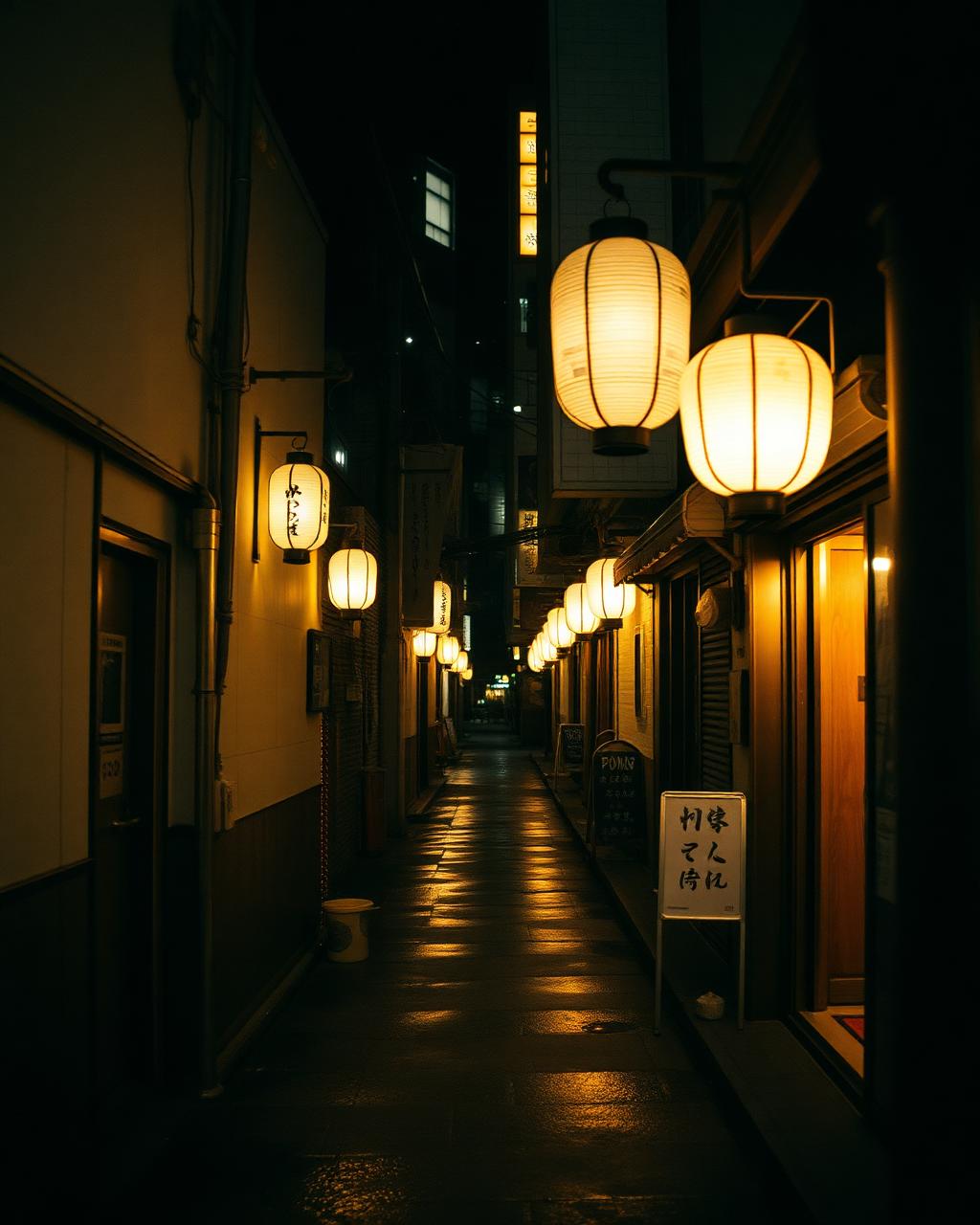
My meticulous planning met its match in Japan. I had over-planned, packing my itinerary with so many must-sees that I inadvertently robbed myself of the joy of serendipity. I learned quickly that simply allowing myself to wander, to stumble upon a hidden alleyway shrine, or to linger in a peaceful garden, was often more rewarding than ticking off another box on my list.
I also over-packed. My two full-sized suitcases, a testament to my Westin-honed need for a perfectly curated wardrobe, quickly became a liability. Japan is immensely walkable, and comfortable shoes and a smart capsule wardrobe would have transformed my experience. Lesson learned: less is definitely more in Japan.
Perhaps my biggest oversight was not understanding the genius of IC cards — Suica or Pasmo — sooner. For daily city navigation, the IC card is king. Tapping in and out of subways, buses, and even vending machines became seamless. It felt like I was subtly being initiated into the rhythm of Japanese urban living.
The Delta Perspective: Mastering the Art of the Journey
My years at Delta Air Lines fundamentally shaped how I approach flight logistics. For Japan, this meant understanding the nuances of seat selection on a 13-hour transpacific flight — choosing a window for the views over the Pacific, understanding how cabin pressure affects your body, and strategically timing my sleep to align with Tokyo time before I even landed.
The miles game is another area where my airline background gives me an edge. Delta SkyMiles, strategically accumulated through co-branded credit cards and partner airlines, can unlock premium cabin seats to Tokyo that would otherwise cost thousands. I always advise clients: if Japan is your dream, start accumulating miles a year in advance. The Delta One suite, with its lie-flat bed and direct aisle access, transforms a long-haul flight from an endurance test into a restful beginning to your journey.
Practical Framework for Your Japan Trip
JR Pass Reality Check: The Japan Rail Pass is excellent value if you are planning intercity travel between Tokyo, Kyoto, Osaka, and Hiroshima. However, if your trip is primarily within one city, the pass may not pencil out. Do the math before committing.
Best Neighborhoods to Stay: In Tokyo, I recommend Shinjuku for first-timers — central, well-connected, vibrant. For a quieter experience, Yanaka or Shimokitazawa offer local charm. In Kyoto, staying near Gion or Higashiyama puts you within walking distance of major temples and the geisha district.
How to Eat Well on Any Budget: Japan is one of the few countries where budget eating can be extraordinary. Convenience stores (konbini) like 7-Eleven and Lawson offer onigiri, sandwiches, and bento that rival sit-down restaurants. Standing sushi bars offer omakase-style experiences for a fraction of traditional kaiseki prices.
Temple Etiquette: Remove shoes when entering, bow slightly at torii gates, do not photograph monks without permission, and maintain a respectful quiet. These small gestures are deeply appreciated.
Breaking My Own Rules Was the Point
Japan did not just break my rules; it rendered them irrelevant. My color-coded spreadsheet, my meticulously timed transitions, my need for predictability — all of it dissolved in the face of a culture that values presence over productivity. The most profound moments were the ones I had not planned: a spontaneous conversation with a sake shop owner in Pontocho, a wrong turn in Asakusa that led me to a tiny, steaming oden stall, the unexpected kindness of a stranger who walked me three blocks to ensure I found my hotel.
Solo travel in Japan taught me that the truest form of control is the willingness to release it. That vulnerability, far from being a weakness, is the very thing that opens you to the deepest experiences. And as a Black woman navigating a world that often demands hypervigilance, finding a place where my solitude was respected and my presence was met with quiet grace was, perhaps, the most luxurious gift of all.