The Emotional Side of Uncertain Travel: How to Plan When the World Feels Heavy
The phone rang. It was Elena, her voice trembling. Should we even go? These calls are becoming increasingly common — and they deserve more than a yes or no.
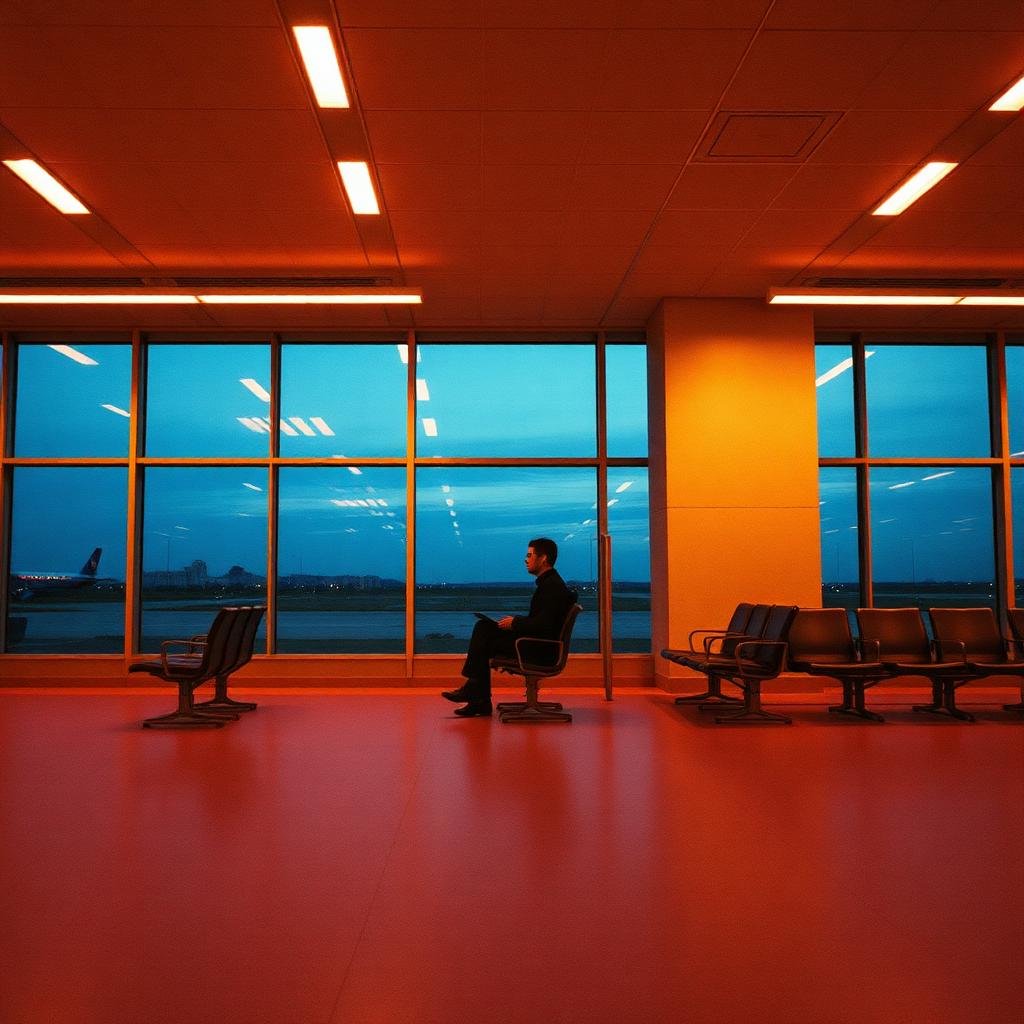
The Emotional Side of Uncertain Travel: How to Plan When the World Feels Heavy
The phone rang. It was Elena, a long-time client, her voice usually effervescent, now tinged with a palpable tremor. "Ariana, I just saw the news. Should we even go?" I leaned back in my chair, exhaling slowly. This was not her first call of this nature, and I knew it would not be my last.
These conversations, laced with fear and apprehension, are becoming increasingly common. We live in an era where the news cycle is relentless. For those of us who cherish the transformative power of travel, this omnipresent uncertainty casts a long shadow. How do you plan for adventure when the world feels heavy?
The Tug-of-War: Travel Anxiety vs. Travel Desire
On one side, we have the innate human drive for exploration — travel expands horizons, challenges perspectives, creates indelible memories. On the other, we have travel anxiety, fueled by a constant parade of potential threats. Our brains, wired for survival, are scanning for danger, and the media delivers it relentlessly.
My role is to validate these feelings. It is not about dismissing fears as irrational, but acknowledging that they are a legitimate response to a complex global environment. Then, together, we untangle the threads of emotion and fact.
My Framework for Risk Assessment
When the world feels heavy, information becomes a burden if not properly filtered. My framework moves beyond sensational headlines:
What is the actual situation on the ground? A single incident in a vast country does not make the entire nation unsafe. I leverage government advisories, real-time reports from on-the-ground contacts, and private intelligence services for nuanced, localized insights.
What is the duration and scope? A temporary, localized protest is fundamentally different from a widespread systemic issue. Understanding the nature of the event helps determine its actual impact on travel.
What are the specific risks to you? This is deeply personal. Some travelers are uncomfortable with any political unrest. Others are fine as long as tourist areas are unaffected. We discuss what makes them feel safe.
How prepared are service providers? Hotels, airlines, and tour operators in the region — are they taking precautions? Their resilience is a key indicator.
The Insurance Reality Check
One of the most common misconceptions: travel insurance covers everything. It does not.
Standard insurance covers unforeseen events — medical emergencies, trip interruptions, lost luggage. It is excellent for personal emergencies.
Cancel For Any Reason (CFAR) is the gold standard for uncertain times, though it comes at a premium. It allows cancellation for literally any reason and returns 50-75% of non-refundable costs. But it must be purchased early, usually within 14-21 days of your initial deposit.
The critical exclusion: Many standard policies exclude coverage for events that are foreseeable or known prior to booking. If a hurricane is named before you buy insurance, your policy might not cover cancellation.
My advice: invest in the best policy you can afford, and understand precisely what it covers and what it does not.
Building Flexible Itineraries
The art of travel planning has shifted from rigid itineraries to meticulously crafted flexible ones.
Choose accommodations with generous cancellation policies. Many chains offer free cancellation up to 24-48 hours before check-in.
Prioritize amendable airfare. Understanding the airline change fee structure is essential even if you opt for less flexible tickets.
Book tours with flexibility. Reputable operators understand the need for adaptability — look for free cancellation windows.
Build in pivot points. I design itineraries with natural decision points where clients can assess conditions and adjust. A two-week European trip might have a pre-planned alternative destination for the second week.
The 72-hour rule. I encourage clients to make their final go or no-go decision 72 hours before departure, when the most current information is available, rather than canceling weeks in advance based on speculation.
The Case for Traveling Anyway
Here is what I know after years of helping people navigate this tension: the world has always been uncertain. The difference now is that we have 24-hour access to that uncertainty.
Most destinations are safer than the news suggests. Most people are kinder than headlines imply. Most trips unfold without incident, creating memories that far outlast the anxiety that preceded them.
I am not advocating for recklessness. I am advocating for informed courage. For understanding that the emotional cost of never going — of letting fear win — is often greater than the risk of the journey itself.
Travel during uncertain times requires more preparation, more flexibility, and more emotional intelligence. But it also offers something powerful in return: proof that the world is still beautiful, still welcoming, still worth exploring. That connection across cultures is still possible. That joy is still available, even when the backdrop is imperfect.
The heaviness of the world is real. But so is the lightness that comes from standing on a foreign shore, breathing unfamiliar air, and remembering that you are part of something vast and interconnected and ultimately, despite everything, magnificent.
When Elena called me back three weeks later, she was standing on a balcony overlooking the Mediterranean, the phone connection crackling with wind and waves. "I almost didn't come," she said, her voice breaking with emotion. "Thank God I did."
That is the work. Not pretending the uncertainty does not exist, but helping people move through it toward something extraordinary.