What Lima Taught Me About Slowing Down
Three days under Lima's coastal fog, a ceviche that demanded full attention, and the quiet revelation that slowing down isn't the opposite of accomplishment — it's a different form of it.
What Lima Taught Me About Slowing Down
I arrived in Lima wound tight. Not from the flight — though the overnight from Boston had its own particular fatigue — but from the accumulation of months lived at a pace I'd mistaken for productivity. Calendar full. Inbox managed but never empty. The ambient hum of a life organized around efficiency, where every hour had a purpose and every purpose had a deadline.
Lima didn't care about my deadlines.
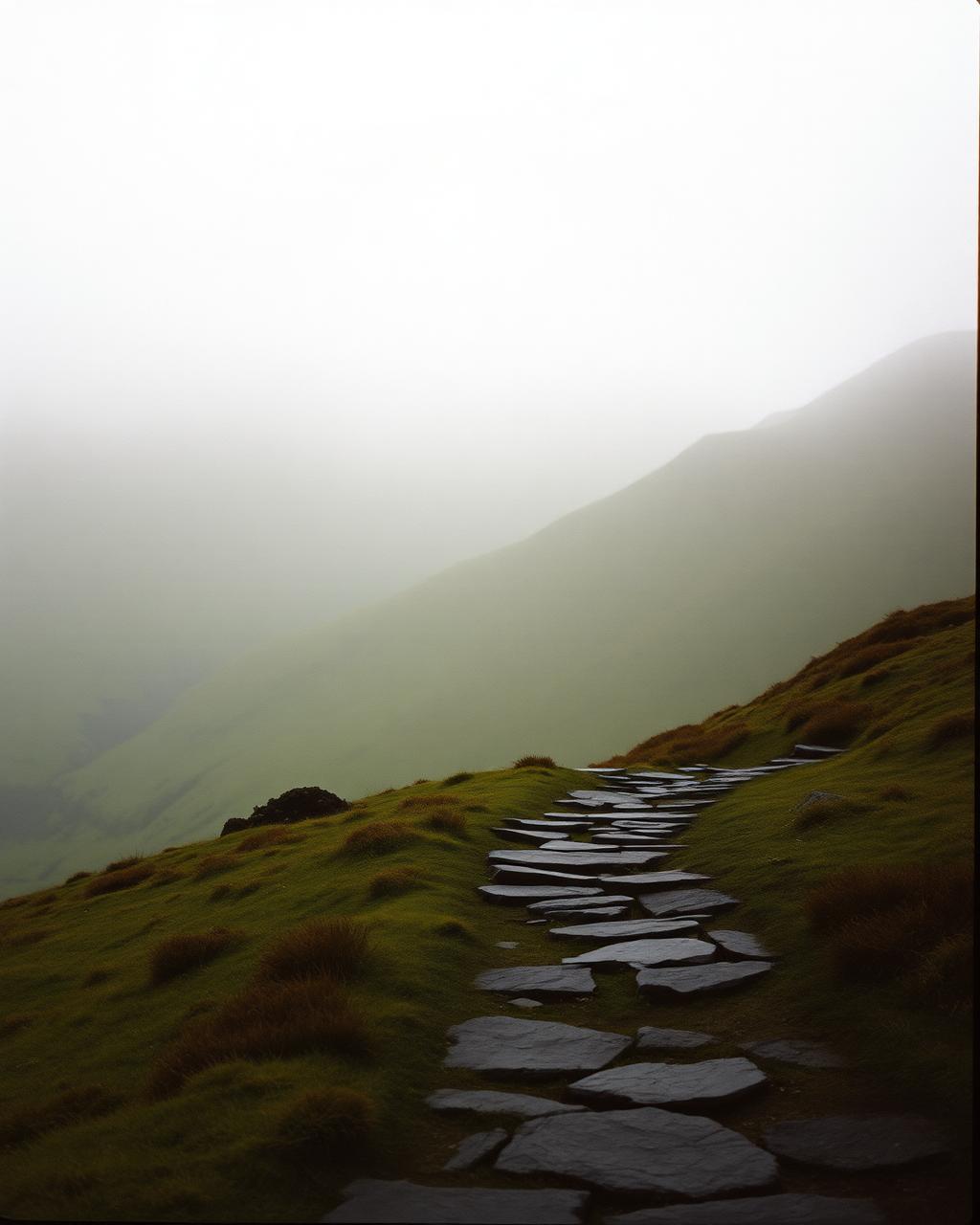
The city met me with a marine layer that softened everything — the edges of buildings, the sound of traffic, the distinction between morning and afternoon. La garúa, they call it: the coastal fog that settles over Lima for months at a stretch, turning the sky into a diffuse gray-white ceiling that makes the city feel like it exists inside a pearl. I'd read about it. I hadn't understood that it would change my breathing.
The First Day
I checked into my hotel in Miraflores and did what I always do: made a list. Restaurants to try. Neighborhoods to walk. Museums with specific hours. I had three full days, and I intended to use them the way I use everything — strategically, comprehensively, with maximum return on invested time.
By late afternoon on day one, the list was irrelevant.
It happened at a cevichería in Barranco — a neighborhood that slopes toward the Pacific with the careless beauty of a place that knows it's attractive but doesn't perform attractiveness. The restaurant was small, maybe fifteen tables, with an open kitchen where the chef worked with the unhurried precision of someone who had been making ceviche for decades and saw no reason to accelerate the process.
I ordered the ceviche clásico. It arrived in minutes — fresh corvina in leche de tigre, red onion, sweet potato, cancha corn. I ate it, and then I sat. Not because I was waiting for something. Not because I was checking my phone (though I was, initially, before I put it face-down on the table). I sat because the ceviche had done something unexpected: it had made me present.
The citrus. The heat of the ají. The texture of the sweet potato against the fish. Every element was so specifically itself that eating it required my full attention. Not concentration — attention. The difference is important. Concentration is effort. Attention is surrender.
I sat in that restaurant for two hours. I ordered a second dish — tiradito, thinly sliced fish in a passion fruit and ají amarillo sauce that tasted like someone had translated a sunset into food. I watched the chef work. I watched the other diners. I watched the light change through the windows as the afternoon extended itself with the languor that Lima treats as a birthright.
When I left, I folded my list and put it in my pocket. I didn't take it out again.
The Pace of Peruvian Time
Lima operates on a temporal frequency that is fundamentally different from American cities. Not slower, exactly — the traffic alone would disqualify that word. But broader. Time in Lima seems to have more room in it. Meals last longer. Conversations extend past their functional purpose into territory that Americans might call "wasting time" but Limeños recognize as the actual substance of living.
I noticed it first in the way people ate. Lunch in Lima is not a forty-five-minute interruption between meetings. It is an event. Families gather. Multiple courses arrive. Wine is poured. The table becomes a space where time is spent rather than managed. The concept of a "working lunch" — eating while accomplishing something else — would strike most Limeños as a category error, like trying to sleep while running.
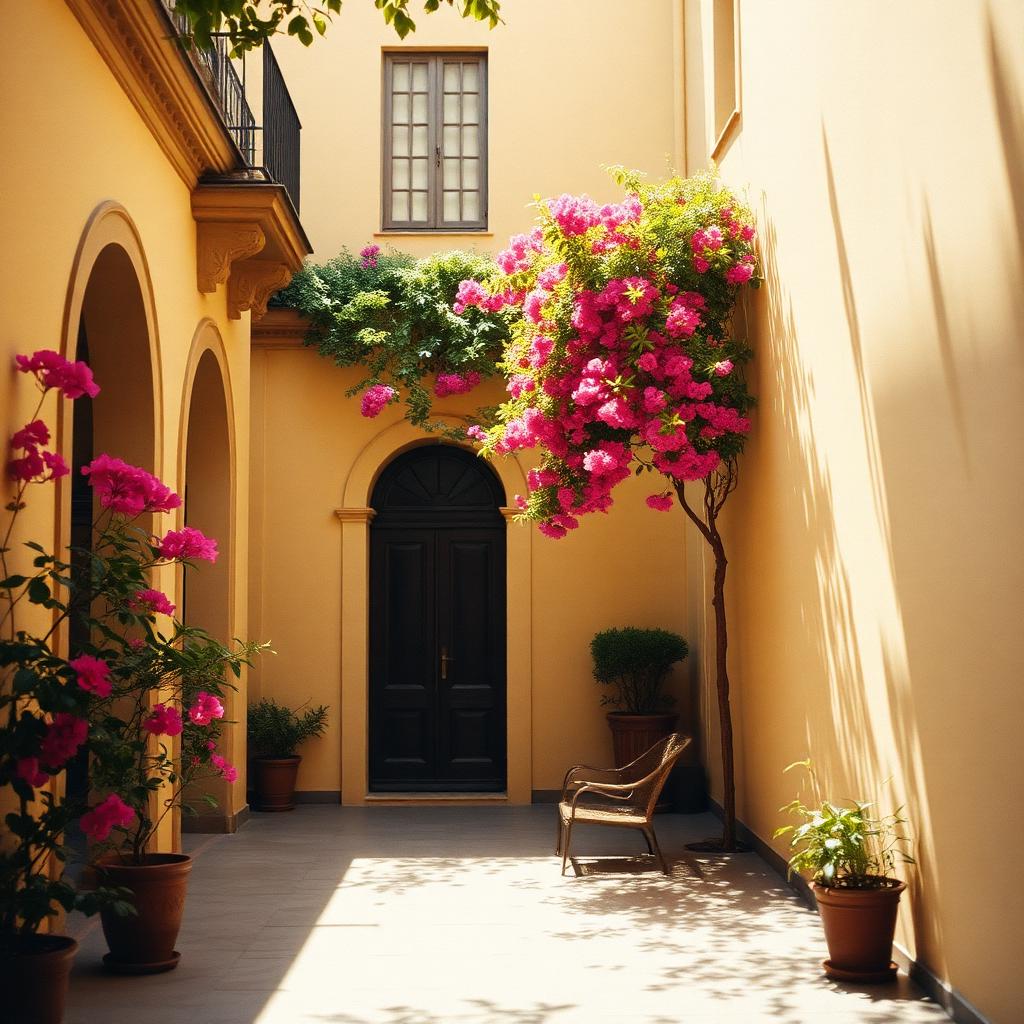
I noticed it again at the Larco Museum, which houses one of the finest collections of pre-Columbian art in South America. The museum is built inside an eighteenth-century viceroyal mansion, and its gardens alone are worth the visit — bougainvillea cascading over colonial walls, the particular green of tropical plants under overcast skies. I had planned to spend an hour. I spent three. Not because the collection is vast (it is, but manageably so) but because the space invited lingering. There were benches positioned at intervals that seemed to say: Sit here. Look at this. There is no hurry.
In the vault room, where thousands of ceramics are stored on open shelving — not behind glass, not curated for narrative, just arranged by type in a way that makes the sheer volume of human creativity visible — I felt something release in my chest. The realization that these objects were made by people who had time. People who spent weeks on a single vessel. People for whom craft was not productivity but devotion.
Barranco After Dark
Barranco at night is Lima at its most emotionally available. The neighborhood's identity — artistic, slightly bohemian, historically the retreat of Lima's poets and painters — creates an atmosphere that rewards wandering without destination.
I walked the Bridge of Sighs — Puente de los Suspiros — which connects two sides of a ravine leading down to the ocean. It's a short bridge, maybe forty meters, but the tradition is to cross it while holding your breath and making a wish. I held my breath. I made a wish. It wasn't for anything specific. It was for more of this — more evenings where the only plan was to keep walking, more streets where the music coming from doorways mixed with the sound of the ocean, more time that belonged to no one and nothing except the moment I was inside.
The galleries in Barranco stay open late. The bars serve pisco sours that vary from place to place in ways that reveal the bartender's personality — more lime here, more egg white there, a bitters brand that signals allegiance to tradition or innovation. I ended up at a small bar where the bartender, a woman about my age, asked where I was from and then spent twenty minutes telling me about the history of pisco — the territorial dispute with Chile, the grape varieties, the colonial-era haciendas where it was first distilled.
She wasn't trying to educate me. She was sharing something she loved. And that distinction — between information delivery and genuine sharing — is the distinction that Lima kept teaching me, over and over, in every interaction.
The Food as Philosophy
Lima's food scene has received enormous international attention — Central, Maido, and other restaurants regularly appear on the World's 50 Best list. But what struck me most wasn't the fine dining (though I ate at places that deserved every accolade they've received). It was the food philosophy that permeates the entire city, from market stalls to white-tablecloth restaurants.
Peruvian cuisine is one of the world's great fusion traditions — Indigenous, Spanish, African, Chinese, Japanese influences layered over centuries into something that belongs entirely to Peru. Lomo saltado (stir-fried beef) is Chinese-Peruvian. Tiradito is Japanese-Peruvian. Anticuchos (grilled beef heart) carry African culinary heritage. The food is a living record of migration, adaptation, and the creative genius that emerges when cultures collide and choose to cook together rather than apart.
At the Surquillo market, I ate a bowl of caldo de gallina — hen soup — that cost three soles (less than a dollar) and contained more culinary wisdom than most cookbooks. The broth had been simmering since before dawn. The noodles were handmade. The hen had lived a life that included walking around and eating things, which you could taste in the depth of the flavor. This was not fast food. This was slow food that happened to be served quickly — a lifetime of culinary tradition compressed into a bowl that took five minutes to eat and five hours to prepare.
What I Brought Home
I came home from Lima with a reorganized relationship to time. Not a dramatic lifestyle overhaul — I still check email, I still keep a calendar, I still operate at the pace that my work and family require. But something shifted in the hierarchy.
Before Lima, efficiency was at the top. Getting things done. Making the most of the hours. After Lima, presence moved up. Not above efficiency, but alongside it — a counterweight that reminds me, when the calendar gets too full, that a two-hour lunch isn't a failure of time management. It's a recognition that some things — food, conversation, the slow revelation of a new city — require duration to deliver their full meaning.
Lima taught me that slowing down isn't the opposite of accomplishment. It's a different form of it. The ceviche chef who takes his time isn't wasting it. The family that spends three hours at Sunday lunch isn't failing to optimize their weekend. The city that exists under a perpetual fog isn't being obscured — it's being softened. And in the softening, something becomes visible that speed and clarity tend to hide: the texture of a life being lived rather than managed.
I'm still wound tight, most days. But when I notice the tightening — the jaw, the shoulders, the internal narration about what needs to happen next — I think of Lima. Of the garúa. Of the ceviche that made me put my phone face-down on the table. Of the Bridge of Sighs, where I held my breath and wished for more evenings with no plan.
The wish is working. Slowly, the way everything good in Lima works. Slowly, and with attention, and without any need to rush.