The Panic Attack at Heathrow That Made Me a Better Traveler
I was standing in Terminal 5, boarding pass in hand, when the fluorescent lights started pulsing and my chest locked. I'd flown a hundred times. I'd worked at an airline. And none of that mattered in that moment. What I built afterward — slowly, imperfectly — is the toolkit I wish someone had handed me.
The hum of the aircraft cabin, that familiar, rhythmic thrumming, once offered me profound comfort. It still does, in a way. Having spent years walking the bustling concourses of Delta Air Lines, and later, navigating the intricate dance of guest services behind the front desk at a Westin, I've seen travel in every possible light. From the frantic dash of a connecting passenger to the serene arrival of a honeymooning couple, I've witnessed the full spectrum of human emotion, often amplified by the unique pressures of travel.
And yet, even for someone who has made a career, and indeed a life, out of exploring the world, anxiety is a constant, unwelcome travel companion. It's not the romanticized "butterflies in your stomach" before a grand adventure; it's the quiet dread that gnaws at you, the "what if" scenarios that loop endlessly in your mind, threatening to overshadow the very joy you seek. For a Black woman traveling solo, often to places where I am visibly, undeniably different, that anxiety carries an additional weight—a layered vigilance that requires its own set of strategies.
Generic advice like "just breathe" or "think positive thoughts" feels dismissive, particularly when you've been through rigorous training on managing passenger anxiety, or when you've stood across from a guest at 2 AM, watching their meticulously planned vacation unravel before your eyes. This isn't about denying the feelings; it's about acknowledging them, understanding their roots, and deploying tangible, actionable techniques gleaned from years on the front lines and countless personal journeys across 30+ countries.
This isn't about eradicating anxiety entirely—that's an unrealistic goal for anyone who truly travels. It's about building a robust toolkit, a series of rituals and strategies, that allow you to move through those moments of apprehension, reclaim your peace, and fully immerse yourself in the world.
The Pre-Trip Ritual: Building a Foundation of Calm
My approach to travel anxiety begins long before I even pack a suitcase. It's a deliberate, almost meditative practice that transforms the often-stressful preparation phase into a source of quiet confidence. First, I conduct what I call a "What If" Audit, confronting my deepest travel fears head-on. The questions range from the practical, like "What if my luggage gets lost?" or "What if I miss my flight?", to the personal and profound: "What if I get sick?" or "What if I encounter discrimination?" For each "what if," I don't just acknowledge it; I actively seek a solution.
If my luggage gets lost, I know I've packed a fully charged Apple AirTag in my checked bag. I also ensure a change of clothes, essential toiletries, and all critical medications are in my carry-on. My Delta training taught me the intricate dance of bag recovery, but prevention and immediate preparedness are always better. Should I miss my flight, I rest easy knowing I've built in generous buffer times, especially for connecting flights. If I'm flying internationally, I arrive at the airport at least three, sometimes four, hours early. From my time at Delta, I know how rapidly situations can change—weather delays, unexpected maintenance issues, staffing shortages. That extra hour isn't wasted; it's an investment in my peace of mind. To counter the fear of getting sick, I carry a small, well-stocked first-aid kit with essential over-the-counter medications: pain relievers, anti-diarrhea meds, and motion sickness tablets (a must for cruises!). I also research local emergency numbers and the location of reputable pharmacies or clinics near my accommodation. Finally, and particularly salient for me, in preparation for potential safety concerns or discrimination, I research local customs, social norms, and any specific advice for Black travelers or solo female travelers in that region. I make an effort to learn basic phrases in the local language, especially for emergencies, and always share my itinerary with a trusted friend or family member. Investing in reliable travel insurance that covers emergency medical evacuation and trip interruption is also a non-negotiable step.
Beyond this audit, I implement a digital detox and information diet. In the weeks leading up to a trip, I consciously step away from social media's curated highlight reels. While inspiration is valuable, endless scrolling can breed comparison and unrealistic expectations. Instead, I focus on practical information: local transportation options, embassy locations, currency conversion, and a few key phrases. I curate my sources, relying on reputable travel guides, government advisories, and insights from fellow Black travelers who have recently visited the destination. Finally, I engage in visualization and affirmation techniques. I spend time visualizing a successful, joyful trip, imagining myself confidently navigating airports, savoring local cuisine, and connecting with new cultures. I affirm aloud, "I am prepared. I am safe. I am open to new experiences." This isn't about ignoring potential challenges, but about programming my mind for resilience and optimism.
Airport Anxiety: Navigating the Liminal Space
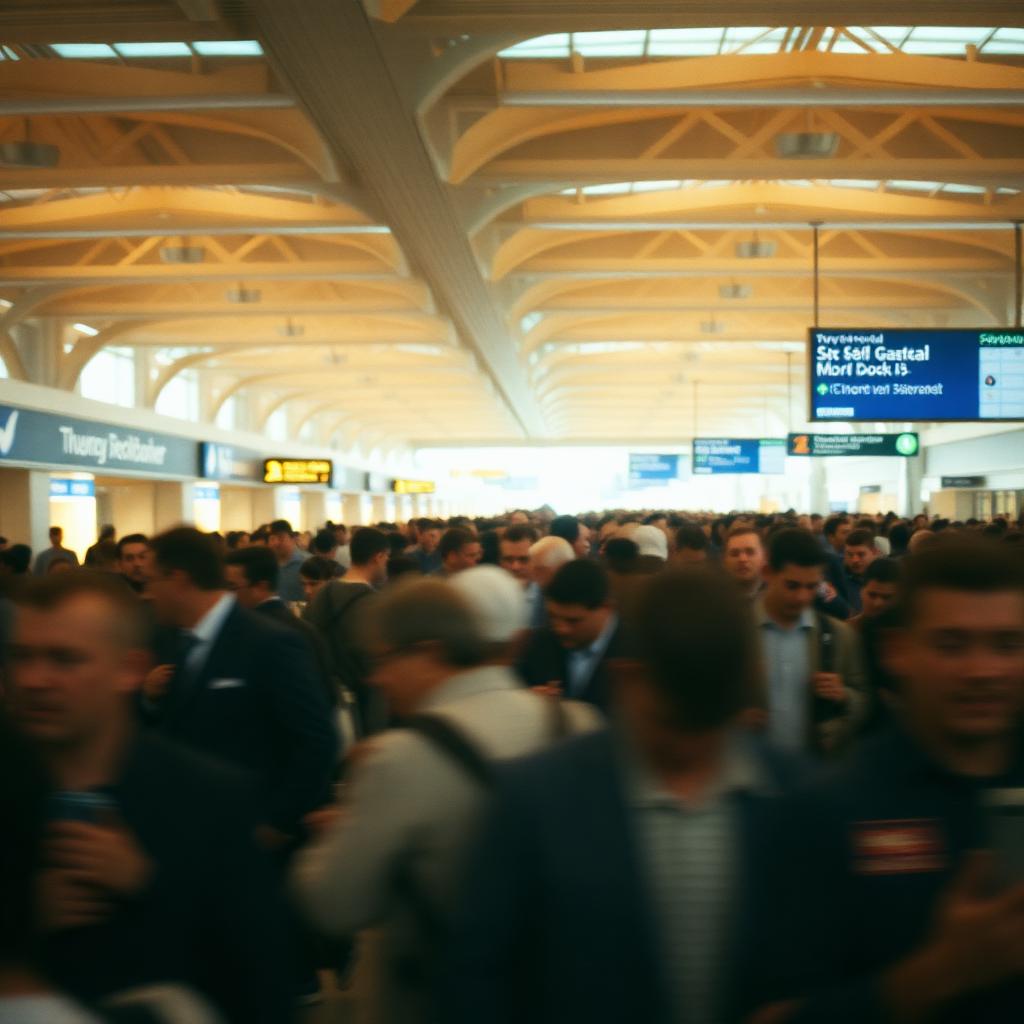
The airport, for many, is the epicenter of travel anxiety. The crowds, the hurried pace, the security checkpoints—it can be overwhelming. But after years of working behind the scenes at Delta, I've learned to decode the airport environment and turn it into a controlled, even predictable, space. My core strategy involves adopting an "airline employee" approach to flow, drawing on my firsthand experience of the choreographed chaos of airport operations and learning to anticipate bottlenecks. My cardinal rule is to always be ahead of the curve. This means enrolling in TSA PreCheck or Global Entry, which for frequent travelers, is non-negotiable; the time saved and the reduced stress of not fumbling with shoes and liquids is invaluable. Before even leaving for the airport, I check my gate number, and upon arrival, I check the departure screens again, knowing gates can change. I prefer to get to my gate early, find a quiet spot, and then venture out for coffee or a snack. I also make sure to understand my boarding group and refrain from rushing the gate unless it's genuinely my turn, avoiding the jostling and impatience of early boarders that can escalate anxiety.
Airports are zones of sensory overload, with bright lights, loud announcements, different smells, and constant movement. I actively manage this with sensory management techniques. High-quality noise-canceling headphones are my airport and flight essential, creating a personal sound bubble. I dress in layers, always prioritizing comfort, and consider compression socks a must for longer flights. A small neck pillow and an eye mask can transform an uncomfortable gate wait or flight into a moment of rest. Hydration and snacks are also key; I bring an empty reusable water bottle to fill past security and pack healthy, non-perishable snacks, knowing that dehydration exacerbates anxiety and a grumbling stomach only adds to stress. When anxiety inevitably creeps in at the airport, I employ simple grounding techniques, such as the "5-4-3-2-1" method, where I identify 5 things I can see, 4 things I can touch, 3 things I can hear, 2 things I can smell, and 1 thing I can taste. This forces my mind to focus on the present moment. Additionally, controlled breathing—inhaling slowly for four counts, holding for four, and exhaling for six, repeated several times—can physiologically calm the nervous system.
Hotel Arrival: Smooth Transitions, Restful Stays
Checking into a hotel should be a moment of relief. But after seeing countless guest meltdowns during my Westin days, I know it can also be a point of friction if not managed correctly. My Westin experience instilled in me that most issues can be preempted with good communication, which is why a "pre-arrival intel" mission is essential. A day or two before arrival, I re-confirm my reservation directly with the hotel, confirming check-in time, any special requests, and airport transfer arrangements. I utilize mobile check-in when available, as it often allows me to bypass queues and sometimes even choose my room. I also ensure my payment method is ready and clarify any incidental hold policies during my pre-arrival call.
Upon entering my room, before I even unpack, I conduct a quick first impression audit, assessing cleanliness, functionality, and safety. If anything seems amiss, I address it immediately and politely; from my Westin training, I know that front desk teams genuinely want to resolve issues, but they can only fix what they know about. Finally, I prioritize creating a sanctuary. I unpack immediately, even for one-night stays, hanging clothes, placing toiletries in the bathroom, and setting a phone charger by the bed—these small acts transform a transient room into a temporary home. I also bring a small travel candle or familiar scent, recognizing that olfactory cues are powerful anchors for calm.
Mid-Trip Recalibration: When Anxiety Returns
Even with the best preparation, anxiety can resurface mid-trip—a sudden change in plans, an uncomfortable encounter, or simply the cumulative fatigue of being in an unfamiliar environment. When this happens, I grant myself "permission to pause." I allow myself to stop, to sit in a cafe for two hours and do nothing, or to return to my hotel room in the middle of the afternoon to read a book. There's no itinerary police, and releasing the pressure to "see everything," which is a significant anxiety driver, is profoundly liberating.
I also rely on a "familiar anchor," always bringing something from home—a specific tea, a playlist, a journal. When anxiety spikes, I reach for that anchor, a sensory reminder of safety and comfort that transcends geography. Connecting and debriefing with a trusted person back home is another essential practice. A brief daily check-in, whether a text or a voice note, serves dual purposes: it keeps someone informed of my whereabouts and allows me to process the day's experiences aloud. This simple act of connection can rapidly dissolve the isolation that fuels anxiety. Finally, I practice what I call "micro-journaling," a brief, five-minute writing exercise when anxiety flares. I write down what I'm feeling, what triggered it, and what specific, concrete action I can take right now. This externalizes the anxiety, removes it from the endless loop of my mind, and provides a tangible next step.
The Power of Community and Shared Experience
For Black travelers, and especially solo Black women, finding community is not just a preference; it's a critical safety strategy and a profound source of empowerment. Organizations like Nomadness Travel Tribe and Travel Noire have created invaluable spaces for sharing experiences, recommending destinations, and providing honest assessments of safety and reception. Before any trip, I seek out recent accounts from other Black travelers who have visited my destination, learning from their experiences, both the joyful and the challenging. This pre-trip intelligence informs my expectations and preparation in ways generic travel advice cannot.
My travel community extends beyond online groups. Over the years, I've cultivated a network of fellow travelers who I know I can call if something goes wrong, people who understand the specific layers of navigating the world in a Black body. This network is my extended safety net, and I encourage every solo traveler to build one, whether through online communities, local travel groups, or simply connecting with fellow travelers met along the way.
Travel anxiety, in all its forms, is a companion I've learned to live with, not conquer. It reminds me that what I do—stepping into the unknown, embracing discomfort, seeking connection across cultures—requires courage. And that courage, built on preparation, self-awareness, and a deep well of experience, is precisely what makes every journey worthwhile.